
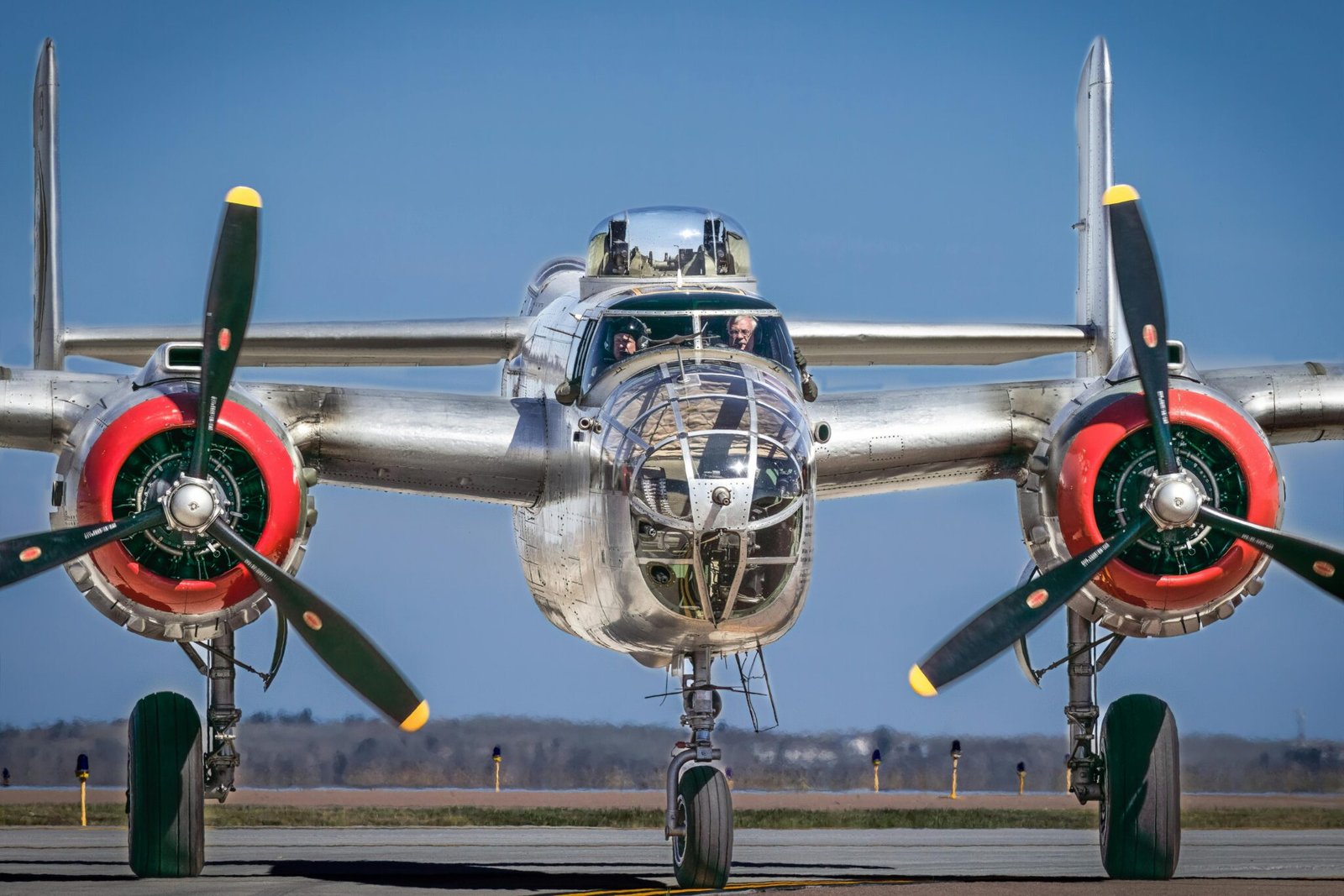




In a move that stitches World War II heritage to today’s high-tech battle space, the U.S. Air Force is reactivating a famed fighter squadron as a permanent MQ-9 Reaper drone unit based at Kunsan Air Base in South Korea. The decision signals a shift toward persistent ISR and precision strike capacity in a theater where deterrence hinges on speed, reach, and interoperability.
Recent Trends
- Rising role of long-endurance UAS in allied deterrence
- Heritage units repurposed for modern drone missions
- Enhanced drone interoperability in Korea and the Indo-Pacific
The 431st Expeditionary Reconnaissance Squadron, activated on Sunday, will operate as a tenant unit of the 8th Fighter Wing, known as the Wolf Pack. It will field MQ-9 Reaper drones and conduct surveillance and intelligence missions across the Pacific theater, strengthening alliance readiness with South Korea and regional partners.
According to Defense News, the move aligns with ongoing efforts to consolidate airpower near the Korean Peninsula as part of broader posture adjustments, including the transfer of F-16s to Osan Air Base to bolster border defenses and support the Seventh Air Force’s mission with allied forces. The squadron traces its lineage to 1943 when it was the 431st Hades Fighter Squadron, a storied component of the Fifth Air Force that fought across the Indo-Pacific in World War II before a series of reorganizations ultimately led to its inactivation in 1992. The reactivation marks a creative fusion of historical identity with modern drone capability.
The MQ-9 Reaper’s attributes—long endurance, multi-mission lability, and the ability to deliver precision weapons—are central to the unit’s projected role. Yet in Korea the emphasis leans heavily toward persistent surveillance, rapid crisis response, and allied integration rather than large-scale US air superiority operations. This nuance matters: it shows how the service is reallocating resources to maximize deterrence in a geopolitically sensitive theater while minimizing risk to pilots on high-tension horizons.
Strategic rationale
By pairing a revered WWII unit with a cutting-edge drone platform, the Air Force sends a clear signal: legacy heritage can be repurposed to support today’s mission sets. For defense planners, the reactivation demonstrates how identity and tradition can energize modern concepts like autonomous reconnaissance and stand-ready strike options in a forward posture that’s both agile and credible.
Operational implications
The deployment at Kunsan will expand ISR coverage across the peninsula and adjacent seas, enabling tighter integration with South Korean forces and allied partners. The arrangement also tests how drone operations scale in allied joint environments, where rules of engagement, data sharing, and interoperability with manned aircraft must be seamless across multiple commands and contexts.
Beyond the Indo-Pacific, the initiative reflects a broader trend: the United States is increasingly relying on unmanned platforms to project power with fewer risks to aircrew while maintaining a robust deterrence footprint. The 431st’s new mission embodies this shift, illustrating how drone-centric reconnaissance and targeted strikes are becoming a core element of alliance defense in a rapidly evolving security landscape.
Implications for alliance and industry
For partners and suppliers, the move signals growing demand for long-endurance UAVs, advanced sensors, secure communications, and interoperable software ecosystems that can operate in complex, multi-domain environments. It also sets a benchmark for how other nations may adapt legacy units to contemporary drone missions as part of broader modernization programs.
Conclusion
By reviving a WWII-era squadron to fly MQ-9 Reaper drones, the Air Force is illustrating a broader, pragmatic trend: heritage can catalyze modern capabilities. The Korea-based unit embodies a strategy of persistent ISR and rapid response that’s likely to influence regional deterrence, alliance training, and drone procurement patterns in the years ahead.

















