
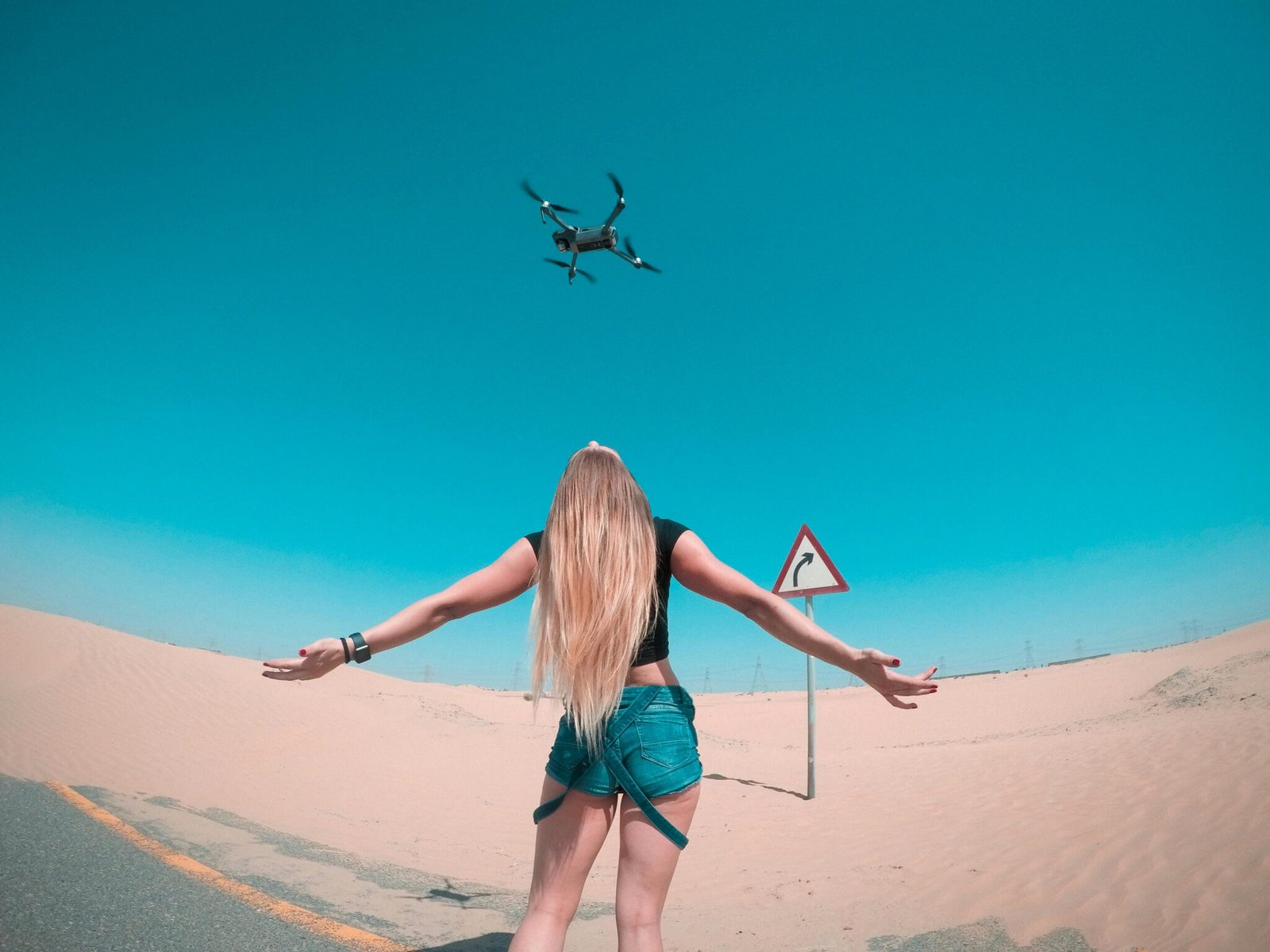




From classroom theories to hands-on flight tests, Vikrama Simhapuri University is turning a corner with a new drone technology lab.
Recent Trends
- Universities expand hands-on drone labs across India
- Public funding under PM-USHA supports equipment and training
- Calibration and safety training become core drone curricula
VSU Debuts a Drone Technology Lab Fueled by PM-USHA Funds
The drone technology lab sits in the Department of Computer Science, expanding the university’s emphasis on practical STEM training. The lab cost around ₹2.5 lakh in drone components, enabling six complete drone sets to be assembled and tested by students. This is more than a purchase order; it is a signal that distributed, hands-on learning is becoming central to Indian higher education in fields tied to national priorities like manufacturing, agriculture, and infrastructure inspection.
According to The Hindu, Vice-Chancellor Allam Srinivasa Rao formally inaugurated the facility on Thursday, underscoring the university’s push to improve employability through hands-on skill programs. The lab has been set up with financial support under the PM-USHA (Pradhan Mantri Uchchatar Shiksha Abhiyan) scheme, and Professor Ande Prasad is serving as the coordinator of the lab. This level of administrative backing matters because it ties campus innovation directly to a national policy framework, creating a replicable blueprint for other universities across the country.
During the ongoing workshop, students received practical instruction on calibration, a critical step that determines flight stability and sensor accuracy. Calibration is the process of tuning sensors to read environment data correctly, which translates into safer flights, more reliable mapping, and better storm- or wind-resilience in real missions. The emphasis on calibration in the drone technology lab illustrates a practical orientation: students learn not just to fly, but to fly with data you can trust. The program demonstrates that proper calibration reduces drift and improves data quality in real-world missions, a detail that industry partners insist upon for scalable operations.
In addition to drone work, the same day featured a 12-day Creative Writing and Professional Content Development program under the Department of English, illustrating the campus’s broader push toward interdisciplinary skills. Tamanna S.K., assistant professor of English at D.K. Government Women’s College, attended as the resource person. She explained in detail how to create memorable characters in a story and how to write effective, context-based dialogues. For students, this cross-disciplinary approach signals that drone education now sits at the center of a broader skill stack on campus, where technical capability is paired with communication and storytelling—the soft skills many employers say they need for job readiness.
Why the lab matters
For the drone industry, this development materializes a broader policy trend: public funding aimed at building practical, scalable drone ecosystems in higher education. The PM-USHA support that funded the lab’s equipment shows how national programs can accelerate campus-based training. This is not just about gifts of hardware; it is about mapping a pipeline from classroom to cockpit, and from lab bench to job site. For readers, the implication is clear: more universities will adopt similar models in the next few years, turning pilots and technicians into a readily available talent pool for civil and commercial drone work.
What the lab offers
- Six complete drone sets assembled in the lab for hands-on practice
- Calibration and flight testing modules integrated into coursework
- Coordination by Professor Ande Prasad to oversee curriculum and project work
- Funding and equipment support under the PM-USHA scheme
Industry implications
With Indian universities like VSU adopting drone laboratories, the supply of trained, job-ready pilots and technicians is likely to rise. Private sector players and government agencies are watching this trend closely as demand for compliant, inspected, and safe operations grows. The lab’s emphasis on calibration aligns with industry needs for reliable sensor data and predictable flight performance in applications from surveying to delivery. For defense planners and civil agencies alike, the ability to train a pipeline of capable operators in a campus environment reduces cost and speeds deployment of drone-enabled programs.
Policy and education context
India’s higher-education policy framework has increasingly favored practical, scalable STEM training. The PM-USHA program, which funds the lab components, is designed to uplift the quality of higher education in emerging technologies. In this sense, the VSU initiative is part of a broader national push to pair modern drone technology with established university curricula. For institutions, the model offers a blueprint to attract partnerships with industry and government for research, pilot programs, and applied projects that demonstrate real-world impact.
Conclusion
As drones move from novelty to essential tools, university drone laboratories like the one at Vikrama Simhapuri University illustrate a practical path forward: combine hands-on equipment, calibrated training, and cross-disciplinary learning to produce capable, job-ready graduates. The PM-USHA-funded lab not only expands VSU’s capabilities; it signals a scalable blueprint for Indian campuses seeking to align education with the demands of a drone-enabled economy. For students, educators, and industry, the message is blunt and hopeful: hands-on drone training is no longer optional—it is becoming a standard rung on the path from classroom to cockpit.

















