
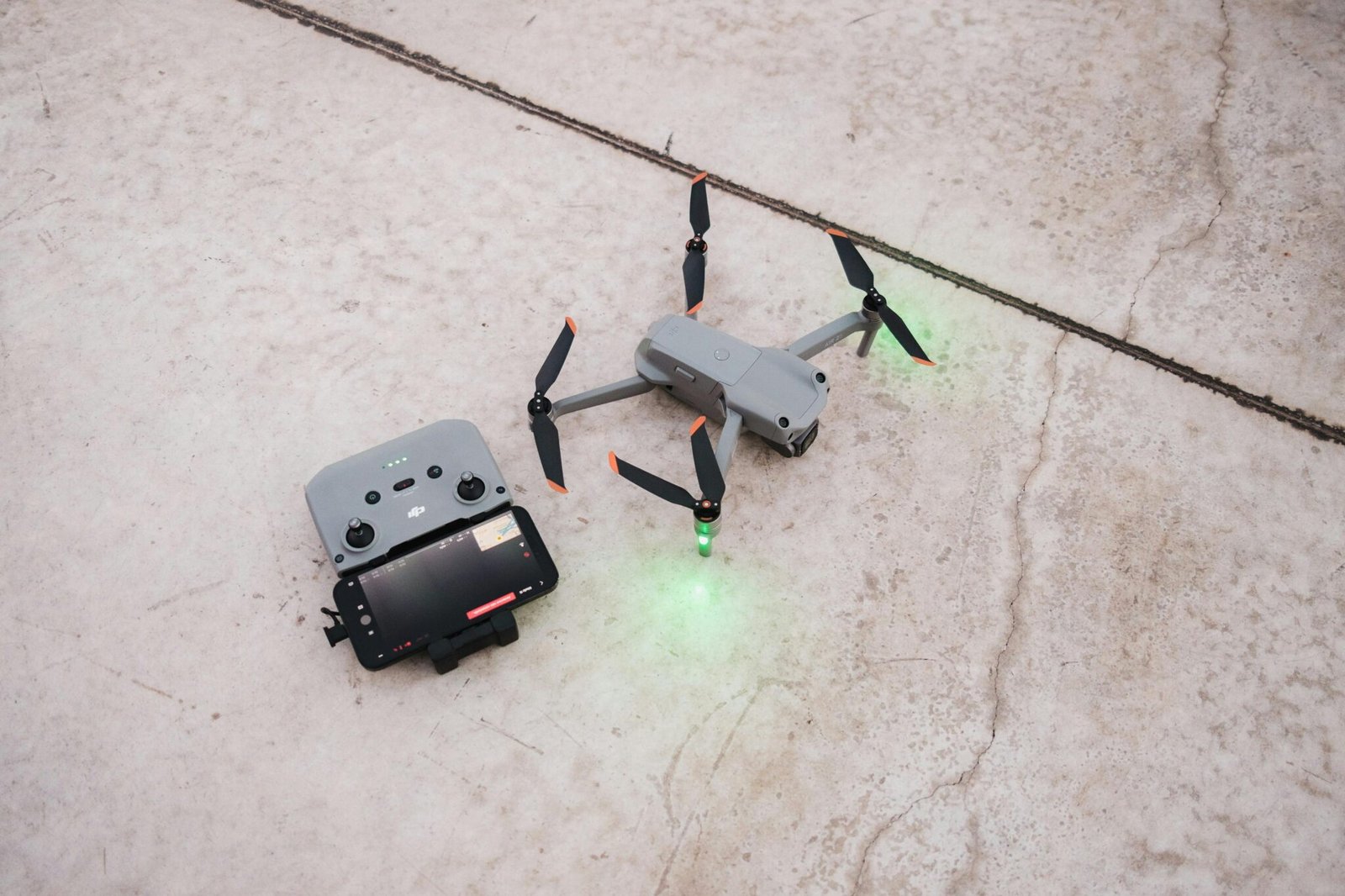




A UT Austin spin-out is testing a new tool for fire responders: a firefighting drone startup designed to reach flames faster than ground crews and provide live intelligence from the sky. The team frames the drone as a bridge between rapid situational awareness and last mile suppression. In early demonstrations, organizers emphasized real-time data, quick altitude changes, and a simple interface that can be used by fire crews on the front line.
Recent Trends
- Surge in university-led drone programs for public safety
- Rising investor interest in autonomous firefighting tech
- Regulatory clarity improving for civilian fire response drones
The project is led by the founder of Apptronik, a company known for its humanoid robotics platforms, and the firefighting drone startup aims to bring modular payloads and robust safety features to the field. By prioritizing reliability and ease of use, the team argues that this asset could augment, not replace, traditional firefighting methods. The vision is to give incident commanders faster aerial pictures, better heat mapping, and guidance for where crews should focus water or foam delivery. The language around the project is pragmatic: a drone that can operate near hazards while feeding responders critical, timely information.
The leadership history behind this effort matters. Apptronik is recognized for engineering disciplined systems that perform in challenging environments. Bringing that mindset to firefighting drone development potentially reduces the risk of malfunctions in dangerous settings. For observers, it signals a maturation path in which drone platforms move from prototypes to field-ready tools that can be deployed in municipal and industrial fires alike.
According to The Business Journals, the UT-based expansion into autonomous aerial firefighting is part of a broader wave of academic and startup activity targeting public safety. The report notes that investors are watching closely as universities spin out more hardware and software solutions designed to operate in real emergencies. For readers tracking funding trends, this UT effort adds to a growing tally of early-stage firefighting tech rounds and pilot programs with city agencies. This is not just a lab project; it is a signal that capital is moving toward practical, mission-critical drone systems that can help save lives and property.
Why it matters goes beyond a single startup. Firefighting drone startup efforts like this reflect a wider shift in how agencies consider air support during fires. From a policy perspective, the move underscores the need for clear safety standards and interoperability between airborne assets and incident command workflows. From a technology perspective, the push accelerates improvements in autonomous flight, obstacle avoidance, and safe risk assessment under pressure. For city planners and firefighters, the message is clear: air support is becoming a more reliable ally in the fight against fires, not just a fashionable gadget. Consider how a few minutes saved in situational awareness can translate into fewer injuries and better resource allocation on the ground. For defense planners, the line between civilian and public safety uses is blurring, opening possibilities for joint exercises and shared training with commercial partners.
What this could mean for the market and policy
As more entities explore autonomous firefighting, the market may see a wave of pilots, rollouts, and procurement conversations that test how agencies evaluate risk and ROI. The UT example also highlights the role of university ecosystems in de-risking early-stage hardware ventures. Investors who have backed Apptronik and similar robotics teams may view this firefighting drone startup as a practical test case for scalable, serviceable aerial platforms. Regulators will likely monitor flight operations near populated areas and near critical infrastructure, seeking to balance safety with the benefits of rapid aerial data during fires. In short, this development reflects a broader trend toward practical, mission-ready drones in public safety, rather than purely research-oriented experiments.
For practitioners in the field, the immediate takeaway is operational: if a university-backed platform can deliver dependable situational awareness and safe, robust flight, it will become a candidate for actual deployment. The next steps will center on field-testing, regulatory alignment, and partnerships with fire departments and industrial facilities. The pressure is to prove that the firefighting drone startup can operate reliably under real-world conditions and integrate with existing command structures. In a crowded market of drone hardware, credibility will come from performance, governance, and a clear path to serviceability.
FAQ
Q: What makes this firefighting drone startup distinct from other drone projects?
A: It comes from a university ecosystem and is led by a founder with deep experience in reliable robotics, aiming to deliver an integrated, field-ready platform for public safety rather than a pure research prototype.
Q: When might this be available to fire departments?
A: Timelines depend on field tests, regulatory approvals, and partnerships with agencies. Expect pilot programs in the next 12–24 months as demonstrations mature and procurement paths clarify.
For readers, the core takeaway is forward momentum: universities are increasingly becoming launch pads for practical, high-stakes drone technology. This approach could shorten the distance from lab proof to on-the-ground impact, particularly in high-risk scenarios where every second counts. As the firefighting drone startup path unfolds, it will be worth watching how public agencies, investors, and manufacturers converge around speed, safety, and interoperability. This could set new benchmarks for how aerial tools are integrated into emergency response strategies.
Conclusion: The UT initiative, backed by Apptronik leadership, spotlights a pragmatic trend in drone innovation where public safety needs drive hardware maturity. The next wave will test not just the drone itself, but the ecosystem that supports it—from safety protocols to data-sharing norms and procurement processes. The result may redefine how we approach firefighting in city and rural landscapes alike.

















