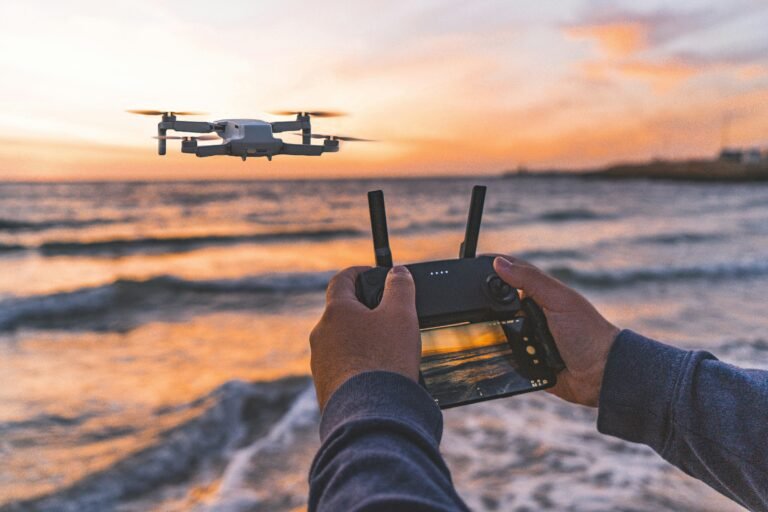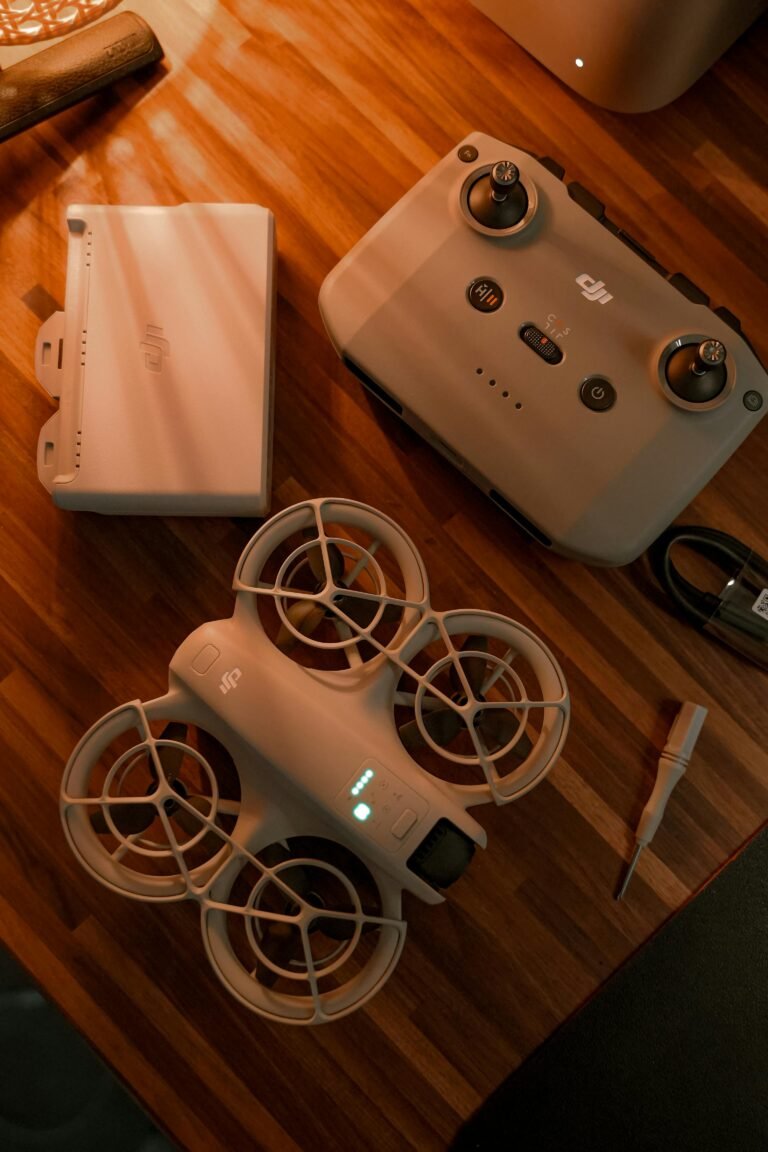



Regulators in Washington are moving to reshape the drone market as the fate of DJI devices in the United States hangs in the balance. The Federal Communications Commission has taken a bold step that could let it retroactively bar equipment deemed a national-security risk. A final decision could curb new DJI sales, while leaving current owners free to fly and continue maintenance on existing devices. For operators and suppliers, the next weeks will test how fast policy can swing from approval to restriction.
Recent Trends
- FCC gains retroactive banning powers in security regime
- Security audits become gatekeepers for US tech
- US drone market faces policy shifts and supply chain risk
DJI ban US: What Regulators Are Weighing
The core issue is the FCC’s ability to add brands to a list of prohibited equipment that poses an unacceptable risk to U.S. national security. That mechanism has been refreshed in the current policy environment, and it could apply retroactively if regulators decide a device already sold in the market now falls under the ban. This evolution sits at the intersection of drone technology and national-security policy, illustrating how quickly conditions can shift for end users and manufacturers alike.
The debate is tightly linked to the 2025 National Defense Authorization Act (NDAA), which imposes security audits on communications and video surveillance equipment manufacturers within a year, or risk banned status in the United States. In practice, that creates a two-track pressure system: regulators can either approve continued sales with stricter oversight or pull permits outright if a vendor fails to clear security benchmarks. For DJI, the clock is ticking as regulators weigh several risk indicators against the economic reality of a large consumer and enterprise drone market.
ZDNet notes that DJI has already paused sales of some new models, including the Mavic 4 Pro and the Mini 5 Pro, while it negotiates with authorities. The article also highlights that if the FCC moves forward with a ban, current devices would stay in operation but future sales and certain updates could be blocked. That distinction matters for fleets in delivery, inspection, and public-safety uses, where downtime or out-of-support devices could drive costly transitions.
For drone users, a DJI ban US would not erase existing hardware overnight, but it would disrupt the aftermarket ecosystem. Parts, updates, and repair services could become harder to source, and insurance or maintenance contracts could face new constraints. In parallel, the broader US drone market would likely shift toward alternative brands and supply chains, accelerating a broader policy shift across the industry.
The regulatory landscape is not just about a single brand. It reflects a broader move to tighten the security of critical communications and aerial platforms. As policymakers weigh the risks, the debate centers on whether the United States should prioritize rapid access to innovative technology or gate most foreign-made devices behind rigorous audits and potential bans. For readers, the takeaway is straightforward: the DJI ban US scenario is part of a wider rethinking of airspace safety, national security, and the role of foreign manufacturers in critical infrastructure.
What this means for buyers and operators
- Existing DJI drones can still fly, but future sales may be blocked. This creates a long-term planning issue for fleets.
- Parts, service, and app updates could become scarce or restricted if the ban takes effect.
- Buyers will increasingly compare alternatives from other vendors to avoid risk of future restrictions.
Industry implications and alternatives
- The US drone market could diversify quickly, boosting competition and price dynamics.
- Suppliers with compliant security processes may gain preference with enterprise customers.
- Policy shifts like NDAA security audits may become a standard gate for future tech, beyond drones.
Regulatory landscape to watch
Key questions remain: Will the FCC’s retroactive authority apply to all DJI devices or only specific lines? How will security audits be defined for consumer vs. enterprise drones? And how will regulators balance consumer access with national security imperatives? For policymakers, the path is to provide clear timelines and predictable requirements that minimize disruption for legitimate uses while strengthening defenses. For industry players, the lesson is to diversify supply chains, invest in security-by-design, and prepare contingency plans for rapid policy shifts.
According to Zdnet, the momentum hinges on enforcement clarity and the NDAA-driven audit regime. The outcome will set a powerful precedent for how the United States handles foreign-made drone technology and other critical devices that operate in shared airspace and sensitive networks. The broader narrative is moving from a narrow brand battle to a larger question of how open the US drone ecosystem should be under elevated security scrutiny.
Conclusion
Ultimately, the DJI ban US scenario underscores a broader industry pivot toward security-first drone policy. For buyers, operators, and builders, the policy signal is clear: expect greater scrutiny, possible restrictions, and a need to plan for a more diversified market. The next regulatory steps will shape which brands compete, how maintenance is performed, and how quickly the United States can harmonize innovation with airspace safety.