
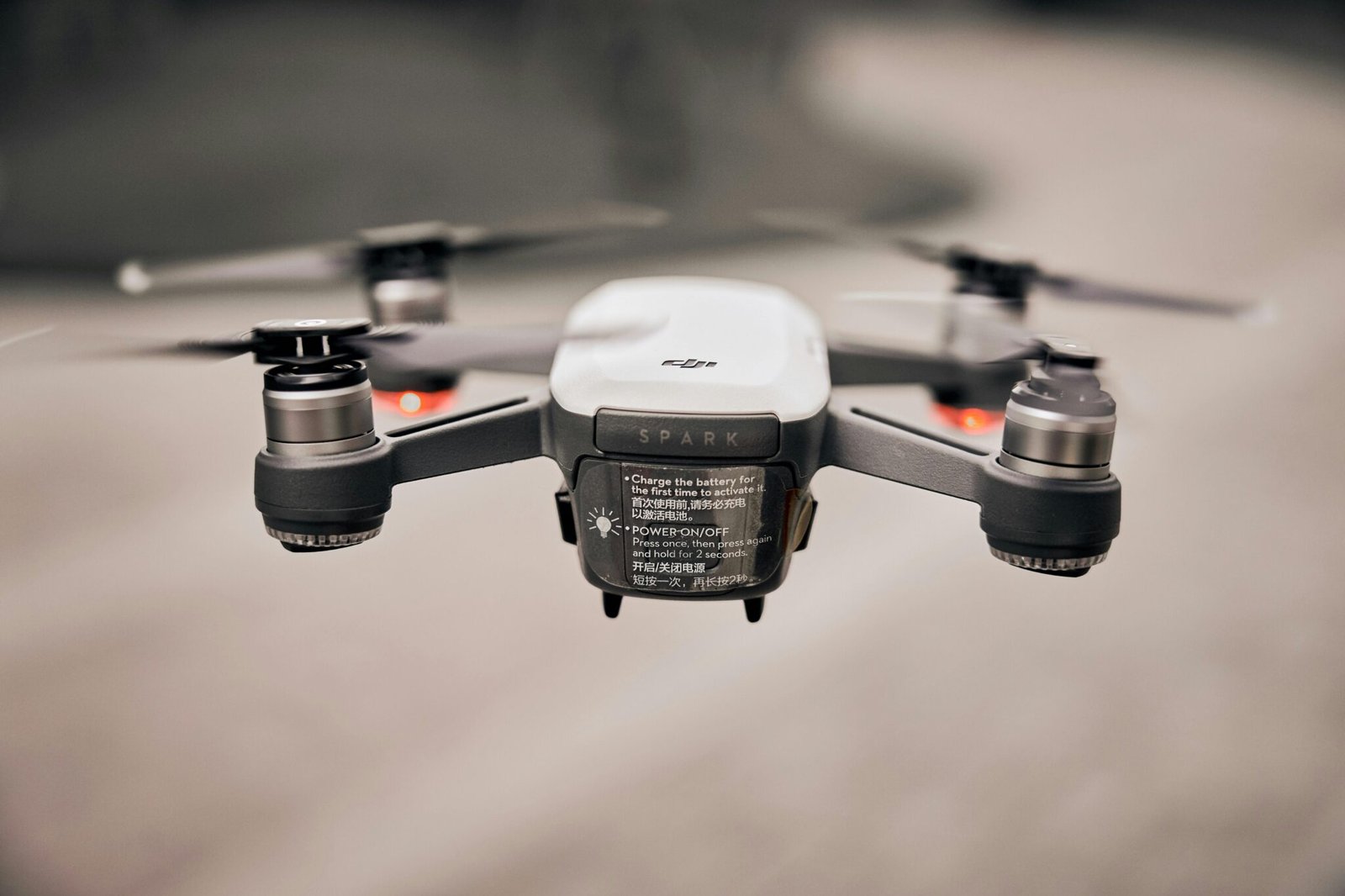




High above the border, a drone can flip risk into rapid detection or expose a security blind spot. In the last year, small unmanned aircraft have been used to probe border controls, raising the heat on policymakers to act fast and cohesively. The story is not just about gadgets; it is about how quickly a surveillance capability can become a vulnerability if coordination lags.
Recent Trends
- Rising cross-border drone activity prompts new cooperation
- Policy shifts on UAS licensing and counter-UAS
- Growing data-sharing between agencies for border security
Now the United States and Mexico are stepping up joint security coordination to address border drone threats along the border. The U.S. State Department confirmed that Washington and Mexico plan a more integrated approach to detection, tracking, and response to unmanned aircraft that could threaten critical crossings and supply chains. This is not a one-off maneuver; it signals a sustained push to align tools, workflows, and governance across two major borders.
According to Biztoc, citing reporting from BreakingTheNews.net, the move signals a broader push to align aviation, customs, and public-safety protocols in real time rather than relying on sporadic, react-first tactics. For defense planners and trade readers, the implication is clear: border drone threats require not only stronger hardware but smarter policy that spans agencies and borders.
For industry watchers, this shift matters because it signals a growing demand for solutions in counter-UAS technology, drone-detection networks, and secure data-sharing between agencies. A coordinated policy posture can accelerate procurement cycles for border surveillance equipment, geofencing software, and remote-ID compliant drones that can operate across jurisdictions. The emphasis is on systems that can scale from a single crossing to a nationwide network without creating bottlenecks or privacy concerns.
What the talks aim to achieve
At its core, the dialogue around border drone threats centers on early warning, rapid attribution, and fast, lawful response. A robust drone-security policy is taking shape that favors interoperability, standardized data formats, and cross-border command-and-control protocols. In practice, agencies are looking at distributed sensor networks, cloud-based analytics, and real-time alerts that stitch feeds from cameras, ground sensors, and aerial observations into a single, actionable picture. The goal is to move from reactive sweeps to proactive, risk-based guarding of critical points like ports of entry and logistics hubs.
Technology and capability implications
Counter-UAS tech is no longer a niche corner of defense. It spans radar, radio-frequency detectors, and machine-learning based threat assessment. For border operators, the focus is on early detection of small, inconspicuous craft that can carry payloads. Cross-border operations demand reliable, low-latency links between detection nodes and incident-response teams. A well-designed system must protect privacy, minimize false alarms, and still move quickly enough to deter or intercept if a drone threatens a checkpoint.
Industry opportunities
Drone hardware makers, software vendors, and integrators stand to gain as the policy framework solidifies. In the United States and Mexico, vendors are racing to offer modular solutions that scale from one crossing to a network of facilities. Startups may partner with public-sector integrators to deliver end-to-end surveillance, analytics, and response workflows that speed decisions on who, what, and when to act. Operators will favor platforms that can be deployed rapidly, updated remotely, and audited for compliance with civil liberties standards.
Regulatory context and next steps
Officials say the border drone threats conversation will feed into regular bilateral rounds focused on security, trade, and migration. Expect more joint pilots on detection coverage, data-sharing standards, and training programs for frontline agents. The policy emphasis remains on risk assessment and accountability, ensuring that counter-UAS deployments stay effective while respecting privacy and due process.
FAQ
Q: What is counter-UAS technology?
A: Tools and systems designed to detect, identify, and neutralize hostile drones, with options from radar to software that tracks drone behavior and, in some cases, controlled interference.
Q: How does this affect drone operators near the border?
A: Expect enhanced compliance checks, possible geofencing rules, and more transparent reporting as authorities improve access to activity data and surveillance capabilities.
Conclusion
For operators and policymakers alike, the emerging framework around border drone threats signals a future where cross-border cooperation and smart technology go hand in hand. The world of UAS regulation is moving from fences and fences to networks and protocols. In that shift lies opportunity for safer skies and more predictable rules for legitimate use cases along the border, from agriculture to emergency response.

















