
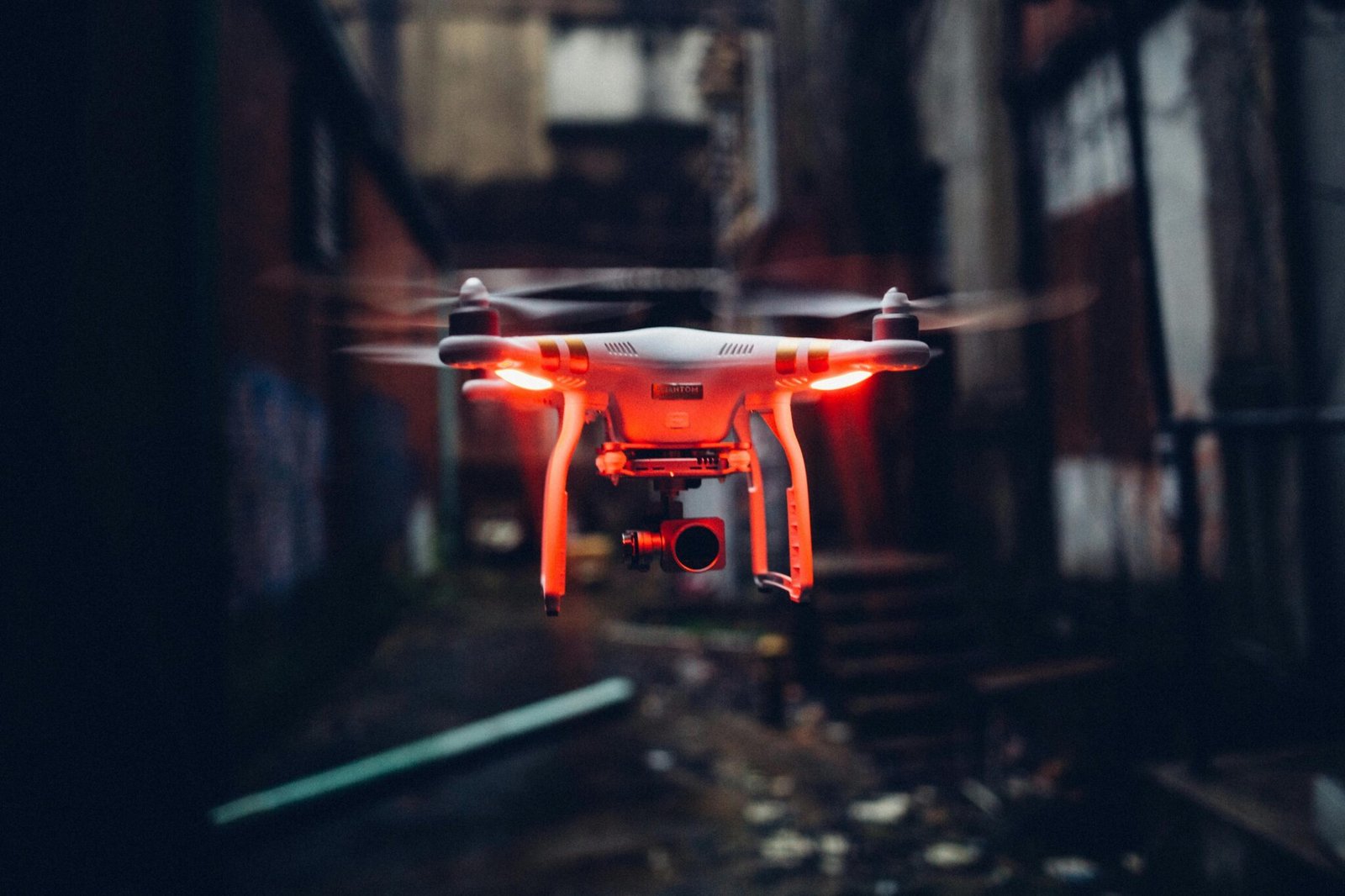




On a sunlit frontline in eastern Ukraine, a small team of operators proved that micro-drones can shift the balance of power without firing a traditional weapon. In recent days, FPV drones have moved from reconnaissance to direct engagement, signaling a new cadence in how quickly inexpensive aerial assets can disrupt organized logistics and equipment pipelines.
Recent Trends
- FPV drones see new frontline roles
- Ground-based robotic systems face increased targeting
- Drones shift to reducing collateral risk in supply ops
The operation, reportedly conducted in the Kupiansk sector, involved a tracked ground-based robotic system designed to transport supplies and ammunition. The claim comes as part of an ongoing pattern: drones are increasingly used to locate, disrupt or destroy targets that would normally require more risk-intensive manned missions.
Specifically, Ukrainian forces from the 77th Separate Air Assault Brigade reportedly used FPV drones to neutralize the robotic asset, illustrating how grassroots drone teams are expanding into offensive tasks beyond surveillance. This development underscores a broader shift in which lightweight, low-cost platforms can influence battlefield logistics and supply flows, not just protect troops on patrol.
According to Ukrinform, via MENAFN, the brigade reported the operation on Facebook and released a video documenting the strike. The post described pilots detecting enemy personnel, shelters, and equipment in the Kupiansk sector and successfully eliminating a tracked robotic system intended for transporting supplies and ammunition. This attribution grounds the report in a recognized source and places the event within a wider mosaic of similar engagements reported by Ukrainian media partners.
Ukrainian FPV Drones Take Out Russian Robotic System in Kupiansk
For readers new to the topic, the scene is telling: FPV drone operations are becoming a practical tool for disrupting not only personnel but also the robotics that enable enemy logistics. In military terms, the incident demonstrates the evolving warfare environment where unmanned systems can threaten autonomous platforms and their payloads,complicating supply routes and reserve planning for opposing forces. In other words, the battlefield is adapting to a new class of threats that operate at the speed of small, agile aircraft rather than traditional armored columns.
What the operation signals for frontline drone strategy
The Kupiansk episode highlights a growing synergy between human operators and agile drones, where pilots guide fast, FPV platforms to locate and strike mobile or semi-mobile targets. The ability to disable a robotic supply or ammunition carrier on site reduces the distance between reconnaissance and decisive action. This trend aligns with broader industry observations that FPV drone operations are increasingly integrated into coordinated tactical schemes, expanding the reach of lightweight UAS into areas once reserved for heavier hardware or longer-range systems. The practical takeaway for defense planners is clear: small, low-cost assets can impose meaningful frictions on an adversary’s logistics chain even when heavier options are limited.
Implications for logistics, training, and procurement
Beyond the immediate strike, the incident raises questions about how armies train for hybrid warfare that blends human teams, FPV drones, and autonomous or semi-autonomous robotic assets. Training programs may need to emphasize rapid target validation, risk assessment for operating near friendly forces, and integration with ground-based logistics. Procurement strategies could pivot toward more modular, rugged FPV kits that can be deployed quickly in contested environments, as well as enhanced payload options to maximize effectiveness against robotic transports and other mobile assets. The case also spotlights the need for defensive measures against such drones—counter-UAS capabilities that can mitigate the risk of misdirected or hostile FPV operations in populated or sensitive zones.
Policy, safety, and ethics considerations
As drone-enabled targeting expands into ground robotics, policymakers face the challenge of balancing rapid battlefield advantage with safety and legal norms. Debates surrounding proportionality, civilian risk, and escalation will intensify as more actors adopt similar methods. For practitioners, it remains essential to document any engagement with rigor, ensure compliance with international and domestic frameworks, and maintain transparent chains of attribution where possible. The Ukrainian example illustrates how non-traditional platforms intersect with traditional warfare strategies, shaping policy debates about the legitimacy and control of autonomous or semi-autonomous weapons systems.
Reader-facing note: For defense planners, the message was unmistakable: the speed and reach of FPV drone operations are translating into tangible advantages on terms that favor agile ground-based units over static, heavily defended positions.
Conclusion
In Kupiansk, a small cadre of FPV drone operators demonstrated a compelling capability: using agile, inexpensive aircraft to disrupt a tracked robotic asset intended for supply and ammunition movement. The event contributes to a broader narrative about how drone-enabled warfare is evolving toward the disruption of logistics networks and the rapid neutralization of enemy robotics. As nations observe and adapt, the role of FPV drone operations in modern combat—alongside traditional platforms—will likely expand, prompting new training, procurement, and policy priorities for air, ground, and defense infrastructure alike.

















