
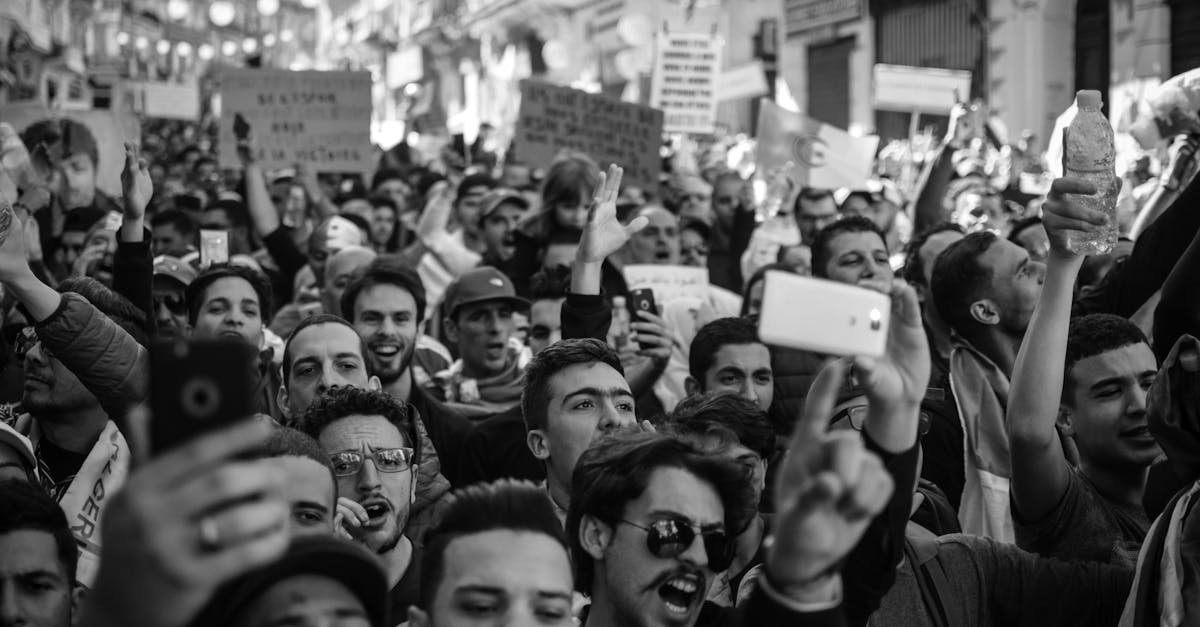




The crowds gathered in Manila on September 21 did more than fill streets; they staged a new form of civic action powered by technology. Tens of thousands converged at the EDSA People Power Monument and Luneta Park in a nationwide call for accountability over flood-control projects, a rally that blended street theater with digital precision. What made the moment distinctive was not only the numbers but the deliberate orchestration of tools that amplified the message across screens, speakers, and social feeds. This was a classic example of a tech-enabled protest: a movement that uses digital infrastructure to shape the narrative, coordinate actions, and sustain pressure long after the drums fade. For readers outside the Philippines, the scene may resemble other mass demonstrations, yet the fusion of drone footage, live streaming, and data dashboards marks a new era of civic engagement where technology moves from accessory to driver.
Recent Trends
- Civic tech drives real-time accountability
- Drones expand coverage and safety in protests
- Digital dashboards enable auditable public records
In practical terms, participants used live streams to broadcast moments of solidarity in real time, turning a local march into a national, and even global, observance. Hashtags, geotagged posts, and short-form videos created a continuous, global narrative that kept the momentum visible beyond the moment of the march. Dedicated mobile reporting apps allowed protesters to document developments, share verified updates, and contribute to an accessible, auditable digital record of events — a feature that shifts protest from spontaneity toward verifiable action. This is the essence of a tech-enabled protest: it converts raw energy into measurable, reportable data that can be referenced in policy debates and media coverage alike.
For defense planners, policymakers, and civil society groups following the Philippines closely, the message was unequivocal: digital tools can elevate public scrutiny to an instrument of governance. The deployment of geo-mapping tools linked protest locations, schedules, and citizen reports to illustrate not just how many people were present, but how the movement was organized and why it mattered. In this context, drones did more than capture the scene; they fed live data to dashboards used by media outlets and independent watchdogs to assess crowd flow, safety, and the credibility of claims about misappropriated funds.
Technology as a Governance Lever
Seen through a policy lens, the convergence of broadcast quality drone footage and real-time dashboards reframes the accountability conversation. When citizens can verify that funds tied to flood-control projects are moving as promised, the political calculus for inaction shifts. The protests were not merely demonstrations; they functioned as an ongoing audit, with digital evidence that institutions cannot easily ignore. In a country where infrastructure spend has long been a flashpoint for public anger, this digital-enabled approach adds a layer of legitimacy to calls for automatic spending reporting, transparent contract data, and stronger oversight mechanisms.
Implications for the Drone Industry and Civic Tech
For drone manufacturers and service providers, the Manila events illustrate a growing cross-section of demand: not just aerial photography for aesthetics or search-and-rescue, but scalable, policy-relevant data capture. High-altitude footage pairs with on-the-ground sensors to populate dashboards that analysts can use to model crowd dynamics, assess safety margins, and verify events in near real time. The trend toward integrated, verifiable data streams challenges hardware makers to emphasize reliability, data integrity, and user-friendly analytics. For civil society groups, the experience underscores the importance of accessible, secure platforms that can transform on-the-ground observations into durable public records. The result is a more resilient chain of custody for information that can influence budgets, contracts, and regulatory reforms.
From a business perspective, the Philippines case adds to the growing case for governance-focused drone solutions and civic-tech ecosystems. Vendors that can deliver turnkey packages—combining drones, streaming, geospatial mapping, and secure petitions or reporting tools—will find a receptive market among groups seeking transparency, rather than just spectacle. Policymakers should also take note: when citizens can document and share verifiable facts in a transparent manner, the incentive structures for corruption recede. In short, tech-enabled protests are not just about noise; they encode a blueprint for surveillance, accountability, and reform that can guide both regulation and procurement practices across the region.
What This Signals for Regulators and Practitioners
The events carry a clear signal to regulators: digital platforms and aerial data can amplify public pressure without eroding safety or order if deployed responsibly. Jurisdictions that encourage open data on public projects, while ensuring privacy and security, may reap longer-term benefits in governance quality. For practitioners, the takeaway is to balance speed with accuracy, ensuring that dashboards reflect verified information and that drone operations comply with local aviation and privacy laws. The Philippines story demonstrates how civil-military and civilian-facing technology sectors can collaborate to serve the public interest, especially in complex infrastructure domains where accountability is historically challenging to quantify.

















