
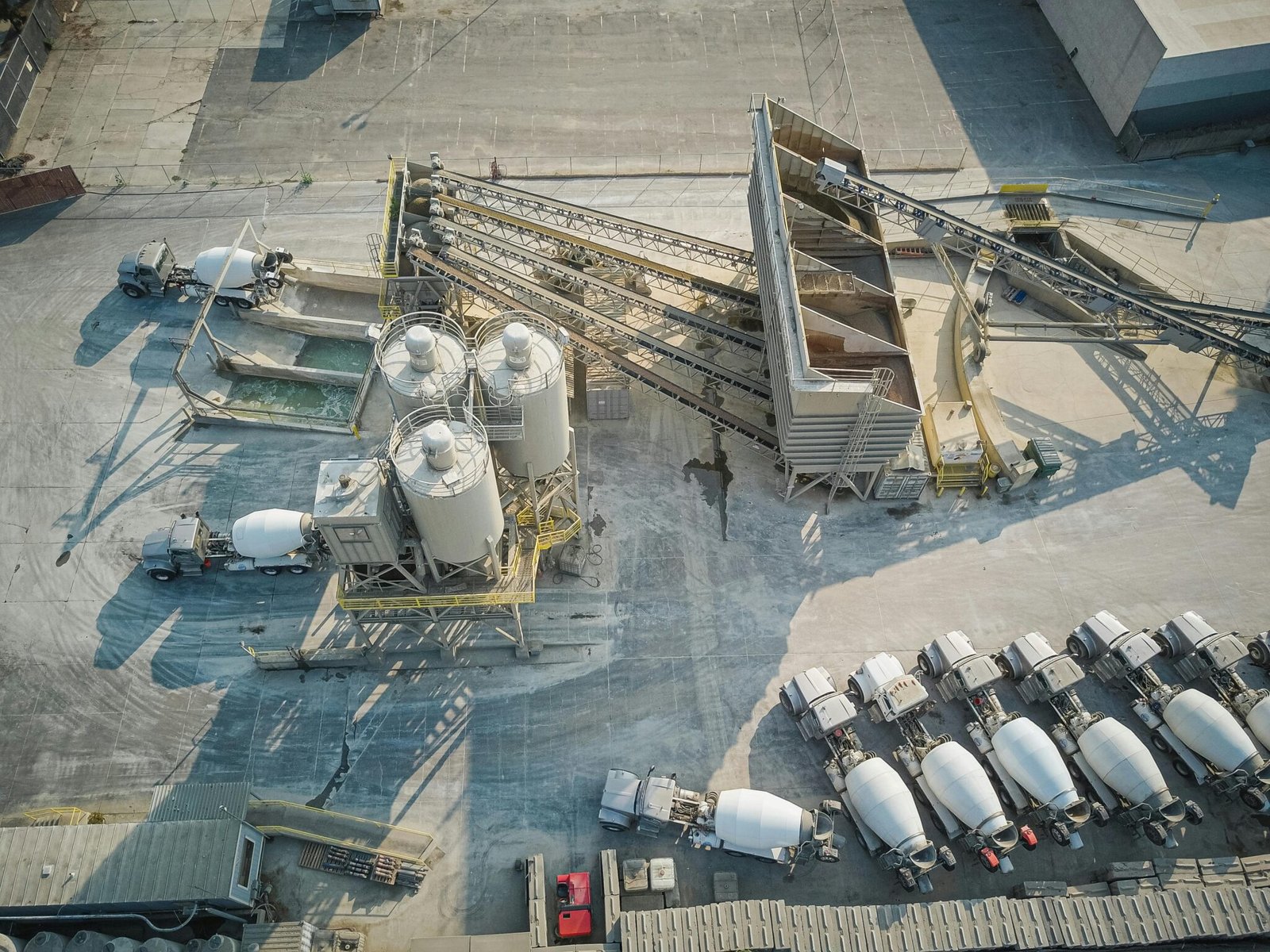




A new drone factory in Swindon marks a turning point for Britain’s homegrown unmanned systems industry. The 40,000 sq ft facility is positioned to anchor a broader push to domesticate critical defense tech and create skilled jobs in the southwest. The site is expected to commence production next year and is projected to grow the local economy while boosting the UK’s manufacturing base for autonomous systems.
Recent Trends
- Surge in sovereign drone production across Europe
- Growing UK–Germany defense partnerships under Trinity House framework
- Rise of autonomous and AI-enabled drones in European defense
Swindon Drone Factory Boosts UK Sovereign Production
The plant, backed by German defense group Stark, is designed to deliver thousands of drones and related munitions as part of a broader strategy to strengthen British and European defense supply chains. When fully ramped, the operation is expected to generate more than 100 high-skilled jobs in its first year and lay the groundwork for longer-term investment in the UK’s sovereign defense industry. Stark’s UK division says Swindon is an ideal fit to develop the next generation of AI-enabled systems shaped by operator feedback from Ukraine and allied forces.
The centerpiece of the project is the Virtus family of loitering munitions, already deployed in Ukraine and capable of being assembled quickly on site. The Trinity House Agreement, a key element of the collaboration between the UK and Germany, aims to expand industrial cooperation on advanced battlefield technologies—from long-range weapons to autonomous platforms. The UK Ministry of Defence frames the initiative as a step toward resilient, domestically produced capabilities that can complement allied defense efforts across NATO.
Beyond the headlines, the Swindon factory embodies a broader trend: governments seeking to reduce reliance on foreign supply chains by scaling domestic production of critical weapons and components. In practice, that means more sightlines into the supply chain for avionics, propulsion, batteries, and AI software used to run autonomous systems. For suppliers, that translates into new contracts, longer-term relationships, and the need to meet stricter national and alliance-level standards for export controls and joint production.
According to Business Live, the site will be fully operational by 2026 and will underpin a broader push to support the UK’s MoD, Ukraine, and wider European partners. Mike Armstrong, managing director of Stark UK, emphasized that the Swindon facility will strengthen European supply chains, boost UK sovereign defense production, and help scale autonomous systems that operators can deploy quickly in demanding environments. He noted Swindon as a hub where feedback from frontline operators can shape design and manufacturing choices, ensuring that the products meet real-world needs rather than theoretical specifications.
For defense planners, the message is unmistakable: a more autonomous, AI-enabled force depends on a resilient, locally anchored industrial base. That shift reduces risks tied to global disruptions and sanctions that can slow access to essential components. The UK’s approach aligns with NATO-wide efforts to bolster deterrence and interoperability, ensuring that allies can rely on common platforms, shared sensor data, and compatible munitions in rapid deployments. In practice, this means more coordinated procurement cycles and clearer paths for cross-border manufacturing partnerships that shorten the time from design to fielding new systems.
Yet the move also raises questions about export controls, ethical use, and how to balance quick fielding with robust oversight. As the UK and Germany deepen their collaboration, policy makers will watch for how the Trinity House Agreement translates into real-world production lines, worker training pipelines, and transparency around dual-use technologies. Critics may ask whether accelerated domestic production could come at the expense of broader international cooperation or if it truly delivers cost-effective, scalable capabilities that can be deployed under strict allied governance.
Industry watchers say the Swindon project could become a bellwether for Europe’s drone ecosystem. If successful, other nations may accelerate similar sovereign manufacturing bets, building regional clusters that pair defense-grade hardware with compliant AI software, safety systems, and robust supply chain resiliency. The result could be a denser, more interconnected European defense technology network that can respond quickly to evolving threats while creating thousands of new jobs in high-technology fields.
Questions for the industry now center on supplier opportunities, standards, and how to responsibly scale autonomous systems. Companies involved in sensors, flight controllers, battery tech, and secure communications are likely to see more inquiries from defense primes and system integrators seeking to lock in partnerships for multi-year programs. For practitioners, the Swindon example demonstrates how a single industrial site can ripple across the entire ecosystem, turning a regional investment into a strategic national asset.
What the Swindon project signals for Europe’s drone ecosystem
Analysts see this as part of a broader pivot toward regional capability in Europe. A growing roster of sovereign programs means manufacturers must navigate tighter export controls while delivering reliable, scalable platforms that can operate in coalition environments. The Swindon factory adds depth to a European supply chain that previously relied heavily on imports from non-EU producers. If the model proves durable, expect more cross-border pilots, shared testing ranges, and joint certification efforts that speed up deployment while maintaining safety and compliance standards.
Understanding the tech: Virtus, autonomy, and collaboration
The Virtus loitering munition represents a class of autonomous weapons designed to loiter above targets until a mission cue is received. Its on-site assembly capability at Swindon underscores a push toward modular, scalable systems that can be produced in quantity. The Trinity House framework is meant to harmonize industrial processes and set common standards across UK and German facilities, helping both nations meet NATO interoperability requirements. For readers new to the topic, think of it as a joint manufacturing lane that keeps European defense tech aligned while allowing rapid expansion when needed.
In practical terms, the Swindon site is a test bed for integrating AI-enabled sensing, autonomous flight, and secure data links with human oversight. It also signals that public funding and private investment can converge to drive a competitive, resilient defense-tech economy in the UK and wider Europe. The potential downstream benefits extend to civil aviation supply chains, where high-performance batteries, sensors, and software tools can spill over into civilian drones and commercial inspection fleets.
Ultimately, the Swindon project is about more than a single factory. It represents a deliberate attempt to shape a future where defense production, technology, and policy work together to deliver timely, credible capabilities for allies. The story continues to unfold as the site moves from construction to production in 2026, with UK sovereignty and European collaboration at the core.
For readers outside the defense sector, the takeaway is clear: when governments back domestic manufacturing of critical technologies, the influence spreads beyond the battlefield. It touches jobs, regional economies, and the ability of a nation to chart its own tech future. This is a trend to watch as Europe navigates competitive pressures, regulatory frameworks, and the ongoing evolution of unmanned systems in modern warfare.
Conclusion
The Swindon drone factory is more than a new building; it is a signal. It shows a willingness to invest in local production, nurture a sovereign defense base, and align with like-minded partners to strengthen NATO’s posture. If the model holds, other European regions may follow with similar programs, shaping a more resilient, cooperative, and technologically advanced defense landscape for years to come. The next steps will reveal how quickly manufacturing scale, supplier networks, and regulatory alignment translate into real-world capability and sustained economic growth.

















