




Spain is quietly rewriting the rulebook on how air assets work together. In a series of defense trials, commanders looked at what happens when drones and manned rotorcraft share data in real time. The aim is to broaden mission envelopes while keeping crews out of harm’s way. It’s a milestone for drone integration in military aviation.
Recent Trends
- Rotorcraft-equipped drones expand ISR reach
- Loitering munitions join manned platform operations
- Spain increases defense spending and modern air assets
Drone Integration on Rotorcraft: Spain’s H135 and NH90 Trials
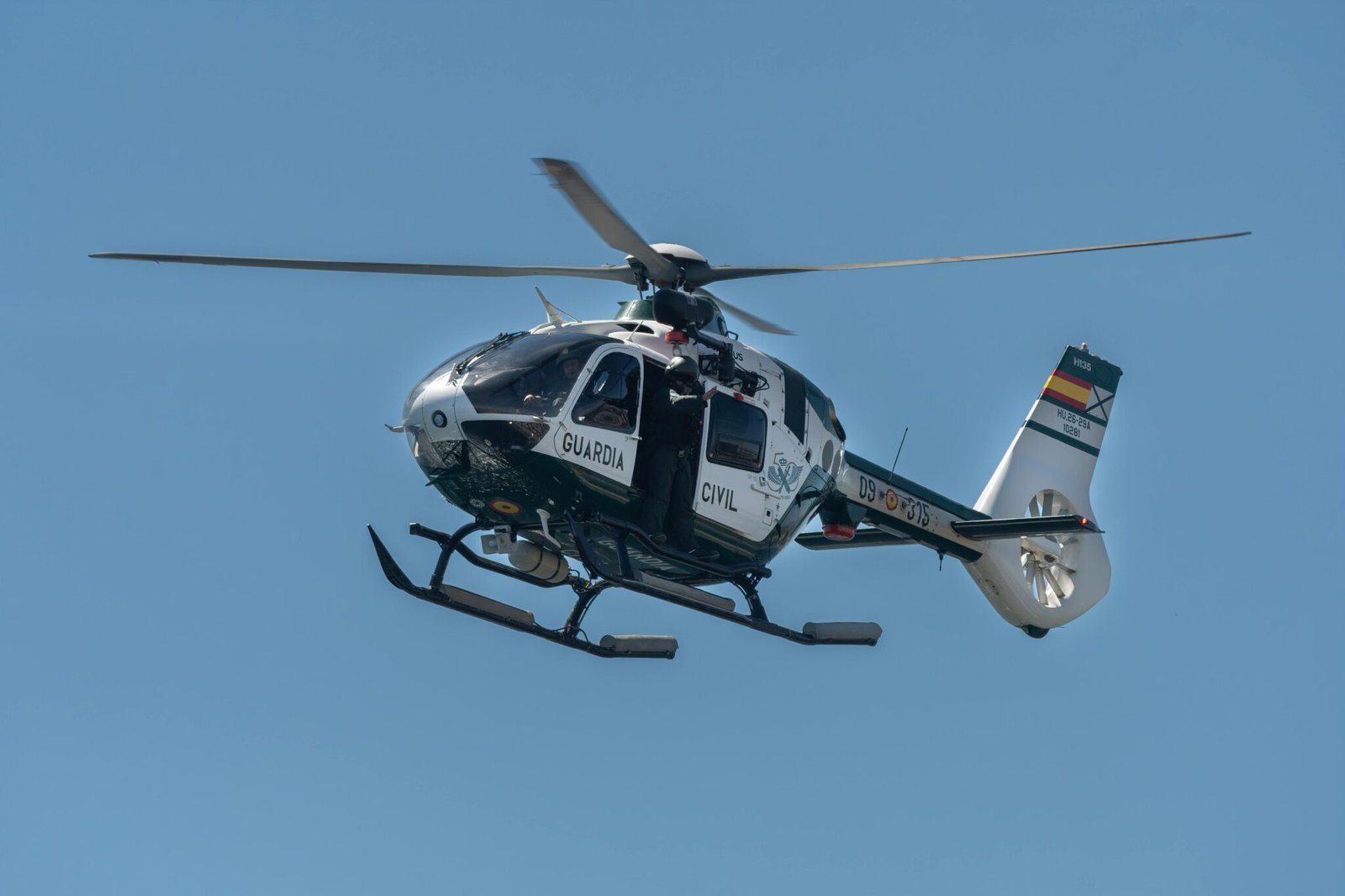
Spain’s armed forces have begun testing real-time data sharing between small drones and manned helicopters. In one set of trials, the Spanish Navy used Airbus Helicopters H135s equipped to receive feeds from the Flexrotor, a Group 2 unmanned aircraft designed for intelligence, surveillance and reconnaissance missions. The goal is to extend visual range, improve mission safety and reduce crew exposure in dangerous environments. This work underscores ongoing efforts to push drone integration beyond basic reconnaissance toward mission-critical roles.
During the tests, Airbus configured the H135 with antennas and a modem that let the rotorcraft cockpit see data from the Flexrotor in flight. This arrangement effectively turns the helicopter into a force multiplier by enabling rapid collection and distribution of information to decision makers on the ground or in the air. The work was conducted at Coronel Mate Spanish army airbase in Madrid.
Separately, the Spanish Army carried out trials with NH90 helicopters and Arquimea’s Q-SLAM-40 loitering munition. The tube-launched, man-portable munition can be used for lethal strikes, battlefield surveillance and reconnaissance. In the NH90 tests, the munition was air-launched downward through the rotorcraft’s ventral access point via the cargo hook hatch, with onboard crews controlling the weapon from a mission systems tablet. Flight endurance runs about 25 minutes, and the one-way range is roughly 25 kilometers, enabling focused, controlled strikes while keeping operators away from direct targeting zones.
Technical details of the H135-Flexrotor integration show the system relies on dedicated antennas and a data modem to feed the drone’s information stream directly into the helicopter cockpit. This capability expands the platform’s ISR burden by providing real-time situational awareness to crews without requiring them to leave the seat or switch to separate ground stations.
Technical details of the H135-Flexrotor integration
- Antennas and a data modem link the drone to the helicopter
- Real-time feeds extend visual range and improve safety margins
- Operates as a data hub for ISR payloads on a light rotorcraft
FlightGlobal notes that Airbus Helicopters sees potential for drone swarms to augment NH90 operations, expanding attack and reconnaissance options while raising considerations for safety and engagement rules in contested environments.
NH90 integration with Q-SLAM-40
- Air-launch through the NH90’s cargo hook hatch
- 25 minutes endurance, approximately 25 km range
- Controlled from a mission systems tablet by onboard crew
Spain’s defense push continues with a €3.7 billion procurement plan approved in September. The package includes 32 NH90s, 13 H135s, along with 45 Hurjet trainers, 18 C295 transports, 54 light-twin helicopters (likely H145Ms) and six H175 VIP transports. The emphasis on rotorcraft alongside fixed-wing assets signals a broader strategy to modernize air power and maximize the value of unmanned systems in joint missions.
For defense planners and industry observers, the blend of drones with rotorcraft signals a broader shift toward networked, multi-domain operations. A practical takeaway is that drones are not just aircraft to be deployed; they are sensors and precision tools that can multiply the value of every piloted asset. As networks grow more capable, programs like these will shape how air operations are conducted, trained for, and funded. The balance of safety, effectiveness and policy will define how quickly drone integration becomes routine on combat aircraft. For readers, the implication is that rotorcraft may soon routinely carry and control unmanned systems across ISR, surveillance and limited strike tasks, reshaping procurement, training and mission planning.
Conclusion
Spain’s drone integration trials on H135 and NH90 platforms illustrate a tangible step toward more capable, data-driven rotorcraft. The approach promises safer missions, faster data sharing, and expanded tactical options—while also raising important questions about safety, governance, and future combat doctrine. Ongoing procurement and joint testing will reveal how quickly these capabilities migrate from proof-of-concept to routine operations.

















