
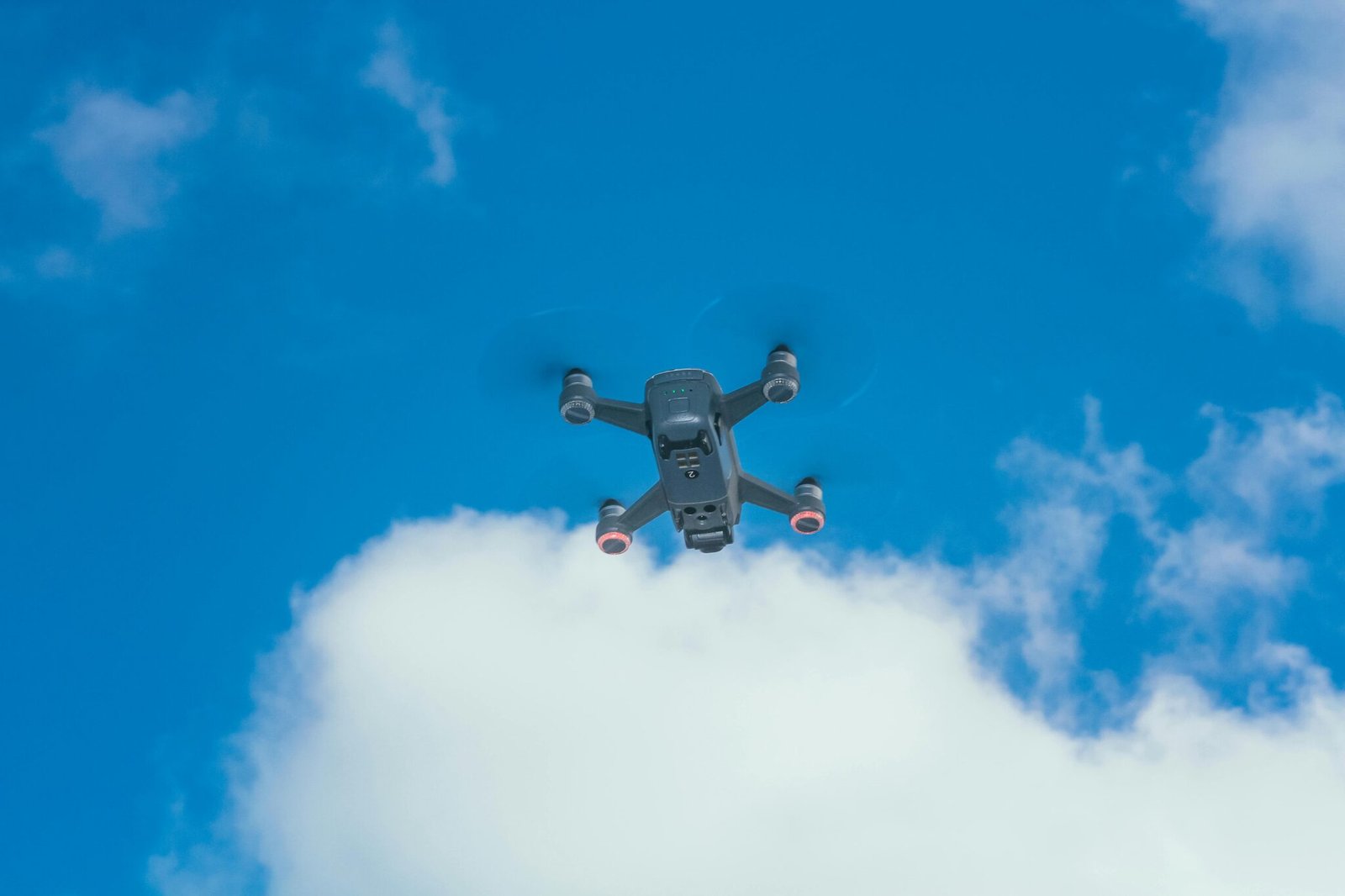




A single tactical case now carries four mission-ready drones instead of four separate airframes. The concept sounds like sci‑fi but SkyTech Orion Global is turning it into a field-ready reality at AUVSI Defense 2025 in Washington, DC. Operators will be able to pull a four‑drone system from one compact container and reconfigure roles in seconds, a shift that could reshape how militaries plan, train, and sustain drone-enabled operations.
Recent Trends
- Modular drone kits speed multi-mission capability in the field
- Defense budgets prioritize autonomous, trusted systems
- Plug & Fly and tool-less maintenance reshape operator workflows
The SkyTech Replicator centers on a compact Smart Core Unit that acts as the control and power hub, with Light Smart Arms and Endura Smart Arms snapping on in seconds. Swappable batteries and a modular payload ecosystem let users tailor four separate drones for ISR, lift, or loitering roles. The system promises a true Plug & Fly deployment with no tools required, and payloads ranging from day/night cameras to cargo clips, all designed to accelerate mission setup and reduce the time to first flight.
Crucially, the platform is NDAA‑compliant and designed for rapid maintenance in field conditions. SkyTech notes the architecture is cableless and ruggedized, enabling tool‑free field repairs and per‑customer configuration to meet regulatory and mission needs. The modular topology is described as a core design philosophy rather than a single product line, allowing customers to swap mission modules as threats evolve or as tasks shift mid‑deployment.
During the briefing, Ora Elharar‑Soffer, CEO of SkyTech Orion Global, framed the Replicator as a force multiplier for modern multi‑domain operations. The kit lets operators swap arms and batteries and deploy ISR, strike, lift or loitering capabilities in seconds, all from a single modular Core Unit. That speed and flexibility is central to the appeal for armed and security forces facing rapidly changing battlefield conditions.
At the conference, the broader context of a growing demand for trusted autonomous systems emerged in the published coverage. GlobeNewswire notes that the FY26 budget request for uncrewed and autonomous systems totals $13.4 billion, with $9.4 billion earmarked for UAVs, underscoring a strong push to scale autonomy in contested environments. The Manila Times also frames SkyTech within a cross‑border innovation corridor linking the United States and Israel via the SkyTech Center initiatives, reflecting a collaborative model that many defense programs now pursue for speed and resilience.
For defense planners and industry buyers, the Replicator signals a new approach to procurement: buy one core, deploy multiple mission specs, and reduce the logistical tail. The modular architecture enables agencies to adapt to evolving threats, from rapid ISR sweeps to heavy‑lift cargo runs, without a full fleet refresh. In a crowded market, this platform differentiates itself through ease of use, the NDAA alignment, and the speed at which operators can shift missions on demand. Analysts see modular drone ecosystems moving from niche experiments to mainstream tools that can scale across departments and allied partners.
Beyond the military sphere, commercial operators and public safety teams could leverage a similar strategy for critical inspections, disaster response, and urgent logistics. The capacity to reconfigure a single system on the fly lowers training costs and lets a single operator manage multiple mission profiles. For industry readers, the takeaway is clear: modular drone architectures are transitioning from specialized add‑ons to core capabilities that empower diverse use cases with minimal downtime.
Key Questions
- How quickly can a customer switch from ISR to heavy‑lift mode in the field?
- What regulatory and export controls influence modular drone adoption in allied markets?
FAQs
Q: How many drones can the Replicator assemble from a single case?
A: Four mission‑ready drones with one core unit and swappable arms.
Q: Is the system NDAA compliant?
A: Yes, the architecture is designed to meet NDAA compliance standards.
Conclusion
The SkyTech Replicator story exemplifies a broader shift toward modular, rapidly reconfigurable drone systems. By consolidating four mission profiles into a single, field‑ready core, operators gain versatility without increasing payloads or logistics overhead. As defense budgets emphasize trusted autonomy and speed to field, modular platforms like Replicator could become a staple in both military and civilian drone portfolios, enabling faster decision‑to‑action cycles in complex environments.

















