
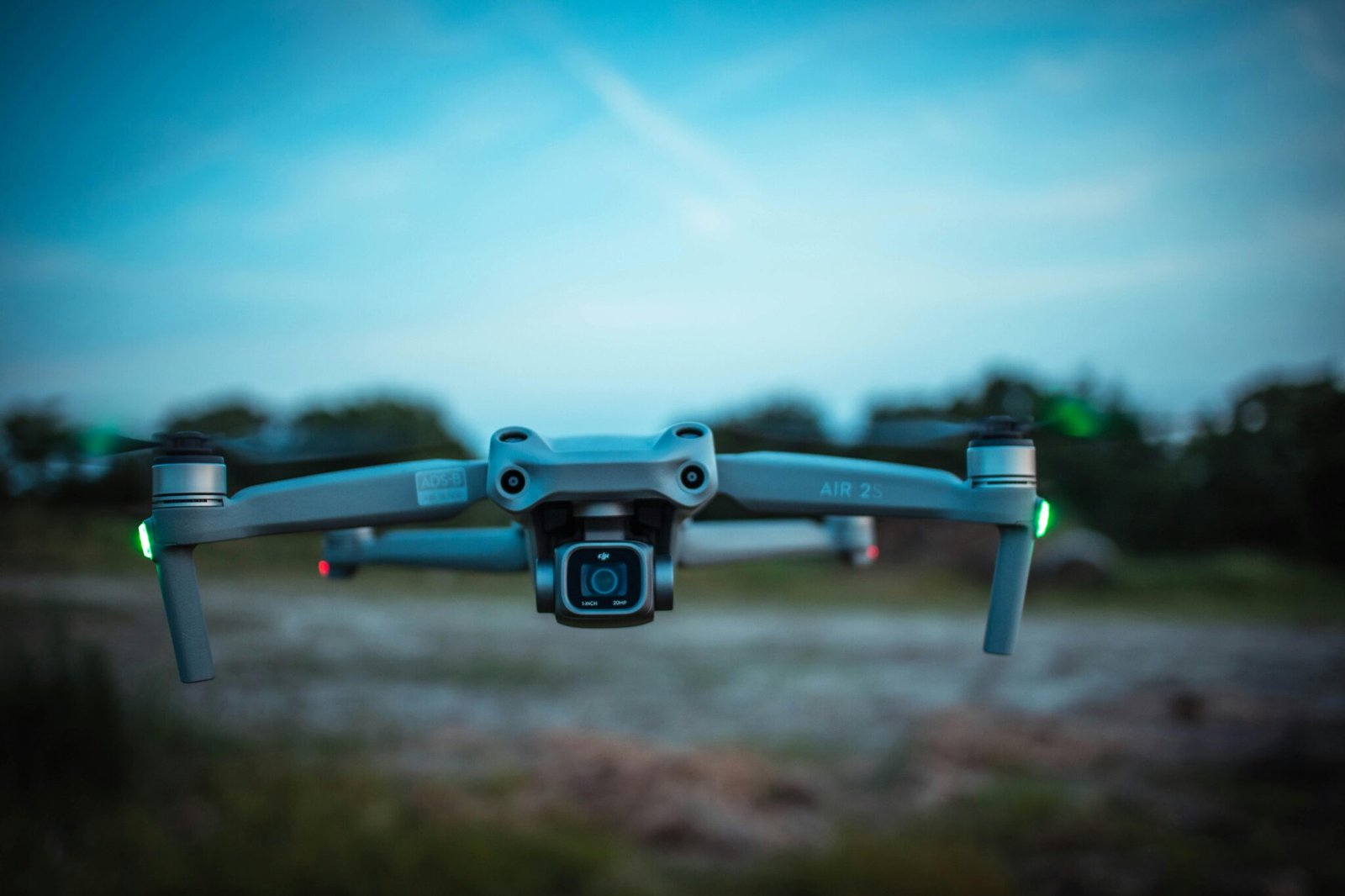




Forget the hobbyist chatter about small quadcopters. Shield AI’s X-BAT drone platform signals a shift toward autonomous air power for the U.S. Air Force, where less manual input can translate into faster decisions in contested skies. The company portrays X-BAT as more than a single aircraft — a modular system designed to operate with mission autonomy, reducing crew workload and expanding the reach of sensor data in real time. In practical terms, this is about machines that can navigate, assess, and report without waiting for every command from a human operator. The era of semi autonomous reconnaissance may be giving way to a more capable, self guiding class of drones.
Recent Trends
- Autonomy-first defense programs accelerate with AI-enabled drones
- Air Force tests scalable drone autonomy for ISR and surveillance
- Regulatory and safety frameworks shape deployment of weaponized and semi-autonomous drones
Shield AI has framed X-BAT as an enabler of distributed air operations, where multiple drones can work in concert to cover broader areas or execute riskier missions without exposing crew to danger. The Washington Times reported a staged demonstration of the platform aimed at Air Force officials, underscoring a push to accelerate fielding of autonomous systems in the near term. While high level in early previews, the claims center on autonomy layers that fuse on board sensors, computer vision, and edge AI to make quick, mission relevant decisions on the fly. This is not just about smarter cameras; it is about machines that can interpret the environment, identify potential threats, and adapt flight profiles accordingly.
For defense planners, the message was unmistakable: autonomous capability can scale up operations, improve survivability, and multiply the effectiveness of human crews. The Air Force has long sought scalable, low-latency autonomy for reconnaissance, surveillance, and potentially standoff tasks. X-BAT enters a crowded field of contenders from other defense tech firms, but its emphasis on a modular, maturing platform could tip the balance toward more rapid integration with existing air assets.
From a technology perspective, X-BAT highlights several industry-wide shifts. First, edge AI and sensor fusion are moving from theory to practice on takedown capable drones that can operate with limited connectivity. Second, the push for modular payloads means the same air platform could adapt to different mission sets without a full redesign. Third, flying more autonomous systems raises questions about safety, oversight, and export controls, especially as allied nations watch closely how the U.S. shapes its own autonomy roadmaps. The story resonates beyond the military, signaling how defensive AI could influence civilian sectors such as critical infrastructure inspection or disaster response where autonomous drones can perform repetitive tasks more reliably.
In terms of real world context, the reporting from The Washington Times grounds the discussion in a tangible moment: a defense tech firm publicly aligning with Air Force objectives around autonomy and scalable integration. This isn’t a one off; it mirrors a broader, global trend toward AI powered drones that can operate with reduced human bias and faster decision cycles in dynamic environments. For readers outside the defense sector, the takeaway is clear. Autonomous drone platforms like X-BAT are not merely proof of concept; they are arrows aimed at how future missions will be organized, executed, and measured in safety and effectiveness.
X-BAT drone Platform Signals New Air Force Autonomy
What X-BAT Brings to the Mission
- Autonomous flight capabilities reduce operator workload in high tempo missions.
- Modular design supports multiple mission types without redesigns.
- On board processing and edge AI enable rapid decision making in contested airspace.
- Integrated sensors and data fusion provide richer, near real time intelligence.
Operational implications for the Air Force
The X-BAT concept aligns with Air Force priorities to expand surveillance reach while minimizing risk to aircrews. If proven scalable, such platforms could unfold in layered formations where autonomous drones execute screening, beaconing, or decoy tasks while human crews maintain oversight and strategic control. This approach could also support allied partnerships by offering a common, interoperable drone stack that reduces integration friction across services and nations.
Regulatory and risk considerations
As autonomy increases, so does the need for rigorous safety and governance. Industry watchers will be watching how the Pentagon and allied regulators navigate certification, cyber resilience, and export controls for AI enabled weapons systems. The discussion around X-BAT is a case study in balancing rapid innovation with robust safety frameworks, a dynamic that will define future procurement and deployment in the defense sector. Reader facing note: the shift toward autonomy will require not just better hardware but clearer rules of engagement and accountability.
In closing, Shield AI’s X-BAT platform adds a meaningful data point to the ongoing negotiation between human judgment and machine autonomy in defense. The broader trend is unmistakable: autonomous drone systems are moving from novelty prototypes to core elements of modern air power. For industry observers, the takeaway is to watch who can scale, certify, and safely deploy these platforms first.
Conclusion
The X-BAT drone platform exemplifies a turning point for how the Air Force may conduct reconnaissance and related missions with greater autonomy. It also spotlights the wider shift in defense tech toward AI enabled automation, modular architectures, and safer, more scalable autonomous operations. As Shield AI advances its program, observers will monitor real world performance, interoperability with existing air assets, and, crucially, how policy and safety standards keep pace with rapid capability growth.

















