
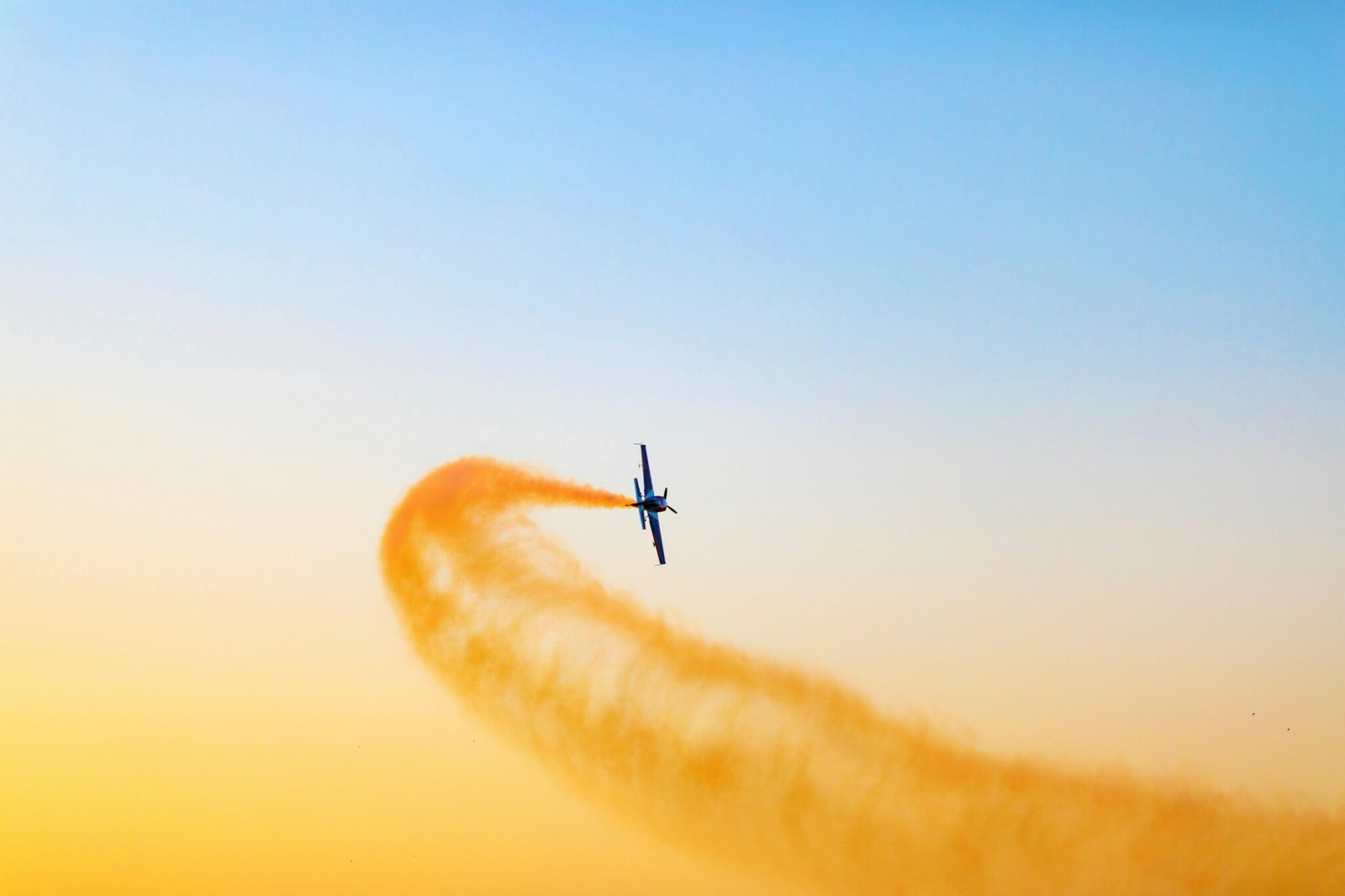




Dubai’s skyline glows as Russia unveils a new wave of dual-use drones.
Recent Trends
- Growing dual-use UAV demand across energy, infrastructure, and public safety
- VTOL drones expanding offshore, maritime, and urban operations
- Climate-tested platforms entering Gulf markets and smart city ecosystems
Supercam UAVs on display at Dubai Airshow 2025
Russia’s Unmanned Systems Group used the Dubai Airshow 2025 to showcase a family of Supercam UAVs designed for both defense and civilian applications. The emphasis is on reliability in extreme environments and the ability to support industrial and governmental missions, from oil and gas field surveillance to critical infrastructure monitoring.
The lineup highlighted at the event centers on the Supercam S180, a high-speed reconnaissance platform, and the dual‑purpose flagship Supercam S350. A tiltrotor variant, the SX350, offers VTOL (Vertical Takeoff and Landing) capability, broadening its use from coastal patrols to environmental monitoring and even ship-deck operations. Completing the tray is the X4 quadcopter, a lighter platform suited for reconnaissance, monitoring, and light payload transport up to roughly 1 kilogram.
According to Sputnik News, the display will feature a range of Supercam UAVs that underscore both security and civil applications. The S350 has been credited with robust reconnaissance performance in testing and exercises, while the SX350’s VTOL design is pitched for operations from ships, offshore rigs, and confined sites where traditional takeoff is impractical. The X4 is positioned as a versatile, small-form asset for rapid ISR (intelligence, surveillance, reconnaissance) and lightweight logistics tasks. The company stresses a full development cycle, including operator training and endurance testing in challenging climates, which speaks to a broader export-ready strategy for Gulf markets.
Beyond the gadgets themselves, the show signals a broader push by Russia toward dual-use platforms that can be adapted to both military and civilian needs. Analysts note that such drones are increasingly common in sectors like oil and gas, utilities, and municipal governance, where persistent monitoring, incident response, and data collection are growing in importance. For defense planners, the interest is in how these systems blend speed, endurance, and payload flexibility with user-friendly training and maintenance pipelines.
What’s on Show
The Supercam UAV family is pitched as a multi-role platform capable of rapid deployment in hostile and benign environments alike. The S180’s emphasis on speed can shorten reconnaissance cycles, while the S350’s dual-use design aims to deliver value in both battlefield situational awareness and critical-infrastructure surveillance. The SX350’s VTOL capability makes it a candidate for operations where runway or launch support is limited, such as offshore platforms, coastlines, and urban topsides. Meanwhile, the X4’s compact frame makes it suitable for urban search and rescue, pipeline inspections, and incident assessment tasks where larger drones would be impractical.
Operational advantages
From a practical standpoint, VTOL capabilities reduce the need for fixed runways, enabling smoother deployments on ships and onshore facilities alike. This is a meaningful advantage for energy companies that rely on timely, continuous monitoring of pipelines and rigs. The X4, with its lighter payload, supports rapid ISR missions and quick cargo transfers in constrained spaces, enhancing response times for emergencies or security incidents. For maritime operators, the ability to launch from a deck and perform coastal patrols without dedicated infrastructure is a notable selling point.
Why It Matters
Dubai Airshow 2025 serves as a litmus test for how dual-use drones will be adopted across commercial and government sectors in hostile and uncertain environments. The Supercam family’s emphasis on climate resilience and offshore suitability aligns with industry demand for rugged tools that can operate in harsh conditions—from high heat to dusty coastlines. In parallel, these platforms reflect a broader trend: manufacturers pursuing end-to-end ecosystems—training, maintenance, and software updates—so buyers can run fleets with confidence and minimal friction.
Regulatory and risk context
Export controls and end-user restrictions will shape who can purchase and operate these systems. The Dubai showcase suggests growing interest from energy, infrastructure, and government buyers in dual-use drones that can support safety, security, and environmental monitoring. Policymakers will watch closely how manufacturers balance export risk with legitimate defense and civil applications, especially as the line between civil and military use becomes increasingly blurred.
For readers and practitioners, the core takeaway is clear: proficiency in dual-use UAVs is becoming a baseline capability for operators who want faster, safer, and more informed decisions. The Supercam lineup demonstrates how a single platform family can straddle mission types—from coastlines to pipelines to disaster response—without sacrificing performance or reliability.
In summary, the Dubai Airshow 2025 debut of Supercam UAVs signals a broader industry shift toward versatile, climate-hardened drones that serve multiple sectors. For energy operators, city planners, and defense planners alike, these systems offer a tangible path to smarter surveillance, faster decision-making, and safer operations across challenging environments.
Conclusion
As drone capabilities mature, the Supercam family embodies the trend toward adaptable, robust platforms that fit both defensive and civilian needs. The Dubai Airshow 2025 showcase illustrates how manufacturers are integrating training, testing, and support into a complete value proposition. The real questions now center on regulatory alignment, end-user training, and how these systems will be integrated into existing safety and security architectures across regions.

















