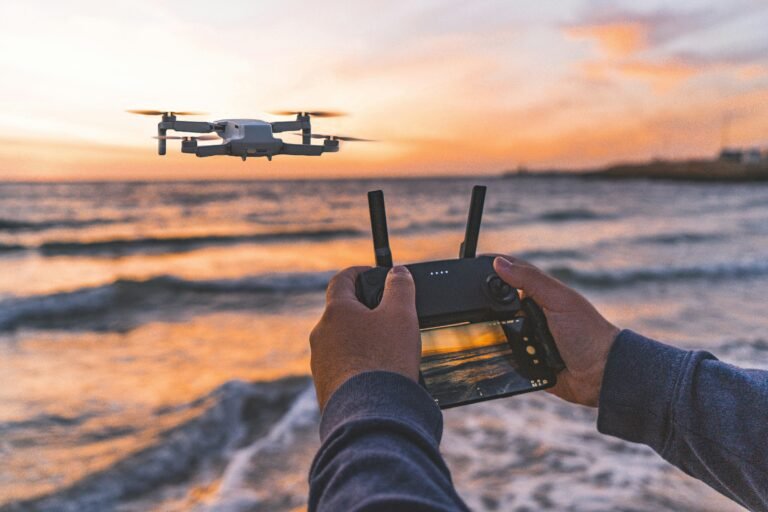
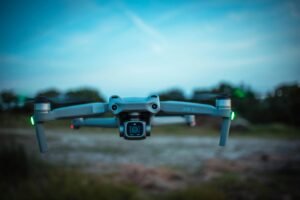



As the late afternoon sun slides over San Antonio, a small white drone hums along a tree-lined street, delivering a package to a neighborhood home. The moment feels almost cinematic, yet it marks something more tangible: Amazon Prime Air is publicly launching in a major U.S. market. This is not a test flight in a remote desert; it is a real, city-scale deployment with customers receiving parcels through a new urban delivery option.
Recent Trends
- Urban drone networks expand in major metros
- Regulators refine permitting and safety rules
- Delivery drones raise consumer speed expectations
Launched with a public ceremony, the Prime Air San Antonio rollout expands the program into a city with dense neighborhoods and rising demand for faster fulfillment. The service envisions moving small parcels quickly from a local hub to customers within a defined radius, leveraging autonomous flight capabilities and integrated safety measures to reduce wait times and human contact where appropriate. In practical terms, this is a test of how a large retailer integrates drone delivery into a busy urban core while keeping the operation predictable and safe.
For retailers and logistics operators, Prime Air San Antonio creates a new real-world case study in urban deployment. The move aligns with a broader industry shift toward last-mile automation and a push by cities to accommodate drones as a legitimate part of the airspace rather than a novelty. According to Ksat, the rollout appears to involve a coordinated framework with local authorities that balances delivery goals with safety baselines, signaling a more mature permitting environment for commercial drone activity.
From a policy perspective, the San Antonio launch comes as regulators weigh how to scale small unmanned aircraft in crowded skies. In common terms, operators must demonstrate reliable battery life, robust sense-and-avoid technology, and clear contingency plans for weather, signal loss, and geofenced zones. Prime Air San Antonio will likely begin in controlled corridors and limited flight windows, then expand as performance and safety data accumulate. The approach mirrors early pilots in other markets and reflects a broader strategy to de-risk urban drone operations before national-scale rollout.
For businesses, the implication is simple and powerful: speed must be paired with reliability. Online shoppers increasingly expect rapid fulfillment and real-time visibility, and drones can help meet those expectations for items like electronics, health products, and spare parts while easing street-level congestion. Prime Air San Antonio also suggests that Amazon plans to build local jobs around drone maintenance, flight operations, data analytics, and customer service to support the expanded service area. Prime Air San Antonio represents a tangible step toward a more automated, responsive urban logistics network that could reshape how cities think about last-mile delivery.
Operational implications and industry context
The San Antonio program exemplifies a scalable network model that combines local hubs, courier teams, and a central operations center. While the core technology remains consistent, each city introduces unique constraints such as weather patterns, physical terrain, and local airspace rules. The San Antonio approach could inform future expansion plans for Prime Air as Amazon eyes additional metropolitan rollouts across North America and beyond. In practical terms, the city will serve as a proving ground for phased scale, customer communication protocols, and performance metrics that matter to retailers and consumers alike.
FAQs
- Q: How does Prime Air San Antonio work?
- A: It uses local drone hubs to pick up small packages and fly them to customers within a defined area, with safety features and remote oversight.
- Q: When will this service be available to all residents?
- A: The rollout is incremental, with phased expansion based on safety data and regulatory approvals.
- Q: What safety measures are in place?
- A: Geofencing, sense-and-avoid systems, weather checks, and contingency plans are standard parts of the program.
Conclusion
Prime Air San Antonio marks a watershed moment for urban drone delivery. The launch shows that drone-enabled logistics is moving from pilot status to everyday utility in a large city. For city officials, retailers, and consumers, the message is clear: drone delivery is becoming a practical option that can expand choice, speed, and resilience in local commerce. As regulators observe the results and operators refine operations, the San Antonio rollout could become a blueprint for how other cities integrate autonomous delivery into their economic fabric.