
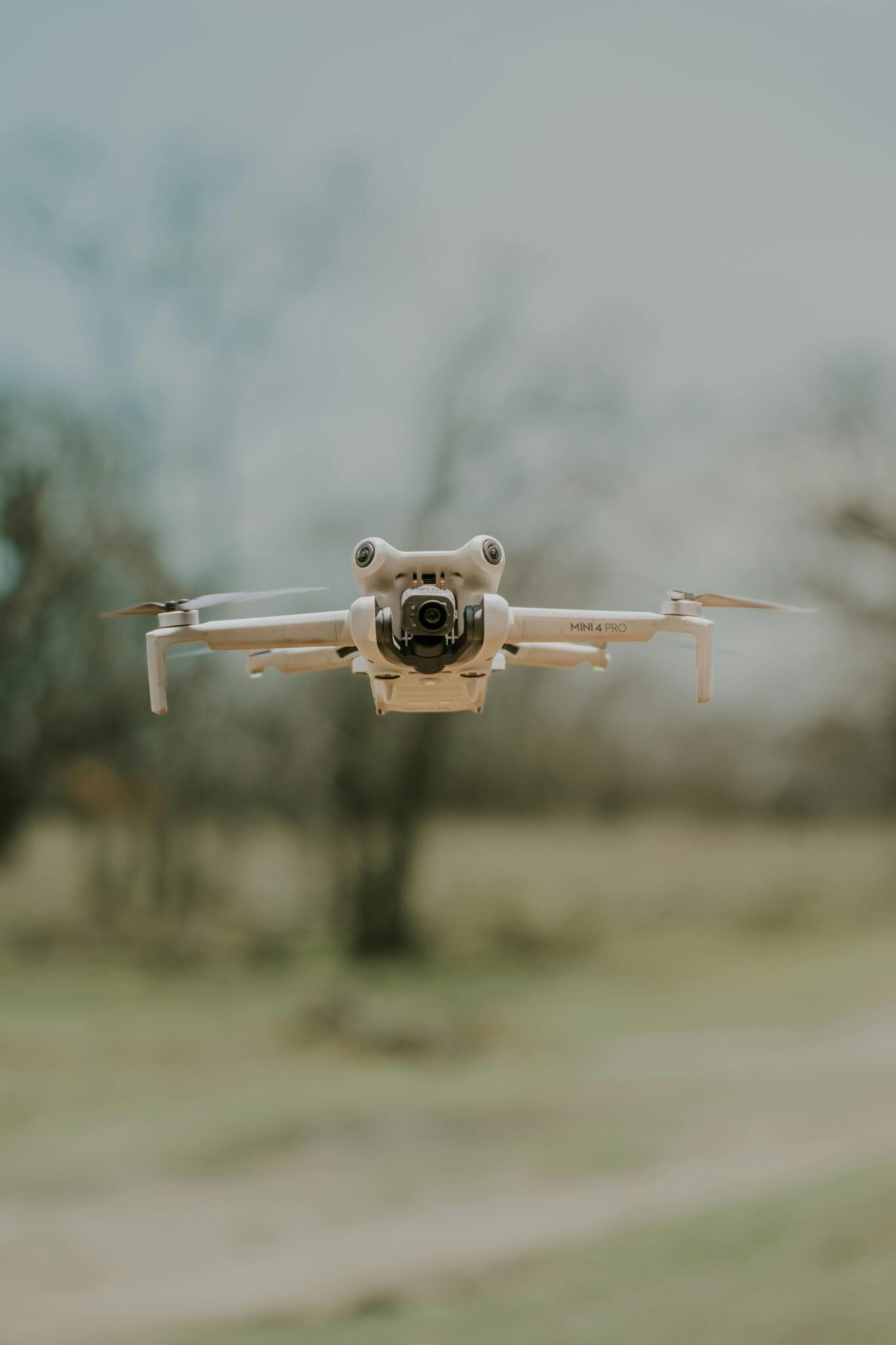




Drone Evidence and Public Safety: A New Era in Policing
A quiet night was punctured by the hum of a drone rather than the wail of sirens. In a fast-moving CCD operation, aerial patrols helped authorities track theft suspects in real time, guiding ground units to active locations. The result was rapid apprehensions and a detectable drop in theft-related incidents in the immediate aftermath. This moment underscores how drone-enabled policing is shifting from curiosity to core capability in many cities.
Recent Trends
- Rise of public safety drones in policing
- Drone-based investigations gaining traction
- Aerial evidence increasingly used in arrests
For years, police departments have experimented with drones for tasks ranging from search-and-rescue to scene assessment. The CCD operation illustrates a more targeted use: drones providing real-time situational awareness, facial recognition not required, but motion tracking, heat mapping, and license plate glimpses that can speed up investigations. In practical terms, a drone overhead acts like a mobile, high-resolution eye that can cover dozens of blocks in minutes rather than hours. Ground officers can then allocate resources precisely where they are most needed, reducing the time from crime in progress to suspect in custody.
The core advantage is speed and accuracy. Drones can arrive at a scene before officers on the ground, capture continuous video streams, and create a navigable timeline of events that investigators can replay. This is especially valuable in theft rings or recurring break-ins where suspects move between neighborhoods. Instead of following rumors or incomplete dashboards, agencies can rely on verifiable aerial footage to establish leads and corroborate witness statements. The CCD operation demonstrates how this kind of data can shorten investigations without compromising officer safety.
According to 24 News Hd, investigators linked the drone sightings to multiple theft incidents and facilitated several arrests following the operation. The report emphasizes that the footage did not replace traditional police work but augmented it, offering a clearer picture of suspect behavior and routes. This kind of collaboration between unmanned systems and ground units is becoming a defining pattern for modern policing, turning a high-tech tool into a practical force multiplier.
From a technology perspective, the CCD operation highlighted several capabilities now common in civilian drones: real-time video transmission, stable imaging in variable light, and basic analytics that can flag suspicious patterns. Agencies are not yet chasing every pixel with advanced AI; instead they rely on human judgment paired with reliable feeds. The result is a pragmatic balance between capability and accountability, where drone footage supports decisions without replacing them.
For the drone industry, the implications are clear. Public safety deployments drive demand for longer flight times, better low-light performance, and easier integration with existing dispatch systems. Vendors are racing to bundle robust video management, secure data handling, and compliant retention policies into turnkey packages for law enforcement. The CCD operation offers a real-world case study of how aerial data flows from capture to courtroom-ready evidence, underscoring the need for interoperability and clear privacy guardrails.
One important dynamic is the public perception of drone-led policing. Communities want rapid responses and fewer crime disruptions, but they also expect transparency about how footage is used and stored. Regulators at the local and national levels are paying attention. The CCD operation arrives at a moment when privacy advocates demand clear guidelines on data retention, consent, and purpose limitation. This balance will shape everything from sensor design to the procurement choices police departments make in the next wave of acquisitions.
In practice, the CCD operation shows that drone programs succeed when they are part of a well-planned workflow rather than a one-off spectacle. Real-time feeds must be paired with trained operators, documented standard operating procedures, and a secure chain of custody. As agencies refine these processes, expect more joint drills, more cross-agency data sharing, and more standardized reporting on drone-assisted arrests. For defense planners and policymakers, the message is unmistakable: aerial assets are now a normal part of public safety workflows, not a stunt for press conferences.
What the CCD Operation Means for Drones in Public Safety
The CCD incident offers a blueprint for how to scale drone use responsibly. It demonstrates that drones can quickly extend the reach of emergency response, but it also highlights the need for safeguards against overreach and misinterpretation of footage. Agencies should invest in training for operators, ensure robust data protection practices, and maintain clear lines of accountability for how evidence is collected and used in court. In short, the value of drone footage lies not just in speed but in reliability and integrity.
Practical takeaways for agencies and vendors
- Invest in reliable, secure video links that work under various weather conditions.
- Prioritize interoperability with dispatch and crime-analysis systems.
- Develop transparent data-retention policies aligned with local privacy laws.
- Offer training focused on safe operation and evidence collection best practices.
Policy and privacy considerations
As drone deployments broaden, lawmakers are expected to tighten privacy safeguards and establish clearer rules on how aerial footage can be used. The CCD operation will likely be cited in policy discussions about data minimization, access controls, and oversight. For the drone industry, this means a future where compliant hardware and software become a competitive differentiator.
Conclusion
Drone-enabled policing is transitioning from novelty to necessity. The CCD operation shows how real-time aerial footage can accelerate arrests while protecting officer safety and public trust, provided there are robust policies and controls in place. For readers in the drone industry, the takeaway is clear: deliver dependable, privacy-conscious tools that integrate seamlessly with existing systems, and you will be part of a growing ecosystem where drones are a standard part of public safety operations.

















