


Newark Police Drones Patrol City Streets
In Newark, New Jersey, the police department has quietly transformed how it watches the city from above. The newly deployed high-tech drones are designed to augment patrols, provide real-time situational awareness, and help officers make smarter, safer decisions before they reach a scene. The move comes in the wake of the citys tragic loss of Sgt. Detective Joseph Azcona, underscoring the move toward technology that can keep responders out of harm while still delivering decisive information to ground units.
Recent Trends
- Rising adoption of public safety drones for urban patrols
- Real-time video feeds enable faster decisions in critical incidents
- Privacy and civil liberties governance in drone operations
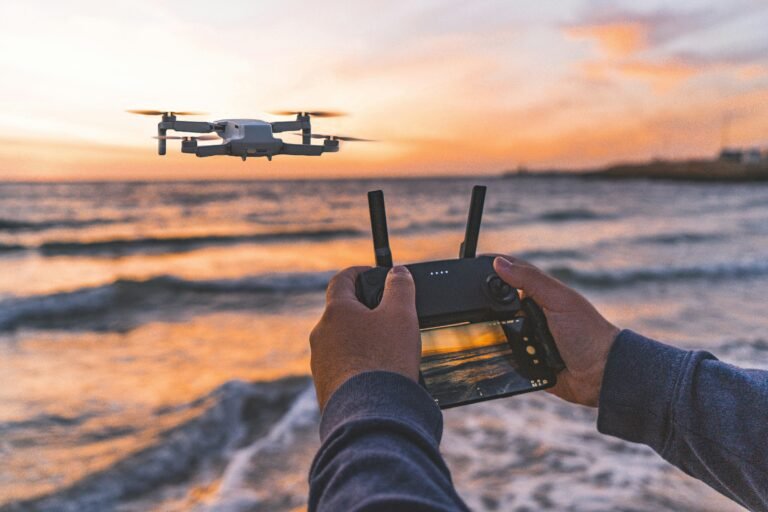
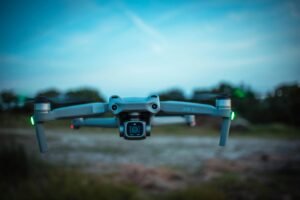
Officials describe a program that goes beyond novelty. Newark officials say four fixed drones are docked at distributed city locations, ready to fly to a scene on command, while four handheld drones give officers a quick, portable vantage point in crowded or cluttered streets. The system is engineered to deliver crisp, high-definition video faster than traditional methods, which matters when seconds can determine the outcome of a confrontation. As one deputy police director noted, the drones can simplify the view for both frontline officers and the headquarters command staff, reducing guesswork and allowing for precise, evidence-based decisions.
Newark police drones operate at speeds that max out around 30 to 40 miles per hour, depending on wind conditions. This means investigators can be pointed toward the back alley or a secluded doorway within minutes, rather than waiting for a longer vehicle-based response. When a suspect is fleeing or an armed individual is believed to be near a property, the drone can share a live feed that helps pinpoint location and movements without requiring an initial, potentially risky approach by officers on the ground. In practice, the technology is designed to shrink the gap between alerting a response and engaging a suspect with the least risk to civilians and officers alike.
For readers, the most tangible takeaway is that Newark police drones are not a gimmick; they are a practical layer of capabilities meant to extend the reach of a trained crew. Newark police drones enable a safer, more informed deployment and provide a clear, verifiable record of what occurs during incidents. The results become part of the narrative for the community and for policymakers who want to understand how modern policing adapts to urban density and evolving threats. For defense planners and city managers, the message was unmistakable: aerial assets can redefine the tempo of a response, in a way that increases both safety and accountability.
Technology in action
The drones represent a convergence of several strands of public-safety technology: lightweight airframes, high-resolution cameras, secure data links, and an interface that integrates with ground units in near real time. The capability to deploy from multiple docked locations reduces the time to scene, while handheld units allow an officer to survey from a vantage point that may be impossible to achieve with a car or on foot alone. This layered approach is designed to give commanders a more complete picture without requiring officers to place themselves at elevated risk early in an investigation.
Policy, privacy, and public trust
With new capability comes new responsibility. The Newark program is being watched closely by civil-liberties advocates and privacy professionals who want clear guidelines on data retention, access controls, and independent review. The city has signaled a commitment to transparency and to establishing guardrails that ensure drone use aligns with constitutional rights and local ordinances. As the technology becomes more woven into daily policing, ongoing dialogue with residents, communities, and oversight bodies will be essential to maintain legitimacy and trust.
What this means for the broader market
Across the drone ecosystem, Newark represents a case study in policy-aware, operationally integrated drone deployment. For other municipalities evaluating similar programs, the key takeaways are clear: start with defined use cases, invest in operator training, ensure robust data governance, and build a clear messaging strategy to explain benefits and protections to the public. The experience in Newark will likely influence pilots in neighboring cities and beyond, accelerating the adoption of real-time aerial intelligence as a standard component of urban public safety portfolios.
Conclusion
Newarka0police drones signal a broader shift toward smarter, safer policing in dense urban environments. The blend of faster response, better situational awareness, and a potential for reduced risk to both officers and civilians makes this a compelling trend for law enforcement and city leadership alike. Yet the path forward requires ongoing collaboration among police, policymakers, and communities to ensure technology serves the public interest while protecting civil liberties. In debate, in deployment, in daily practice, drones are becoming a practical, essential layer of modern public safety operations.