
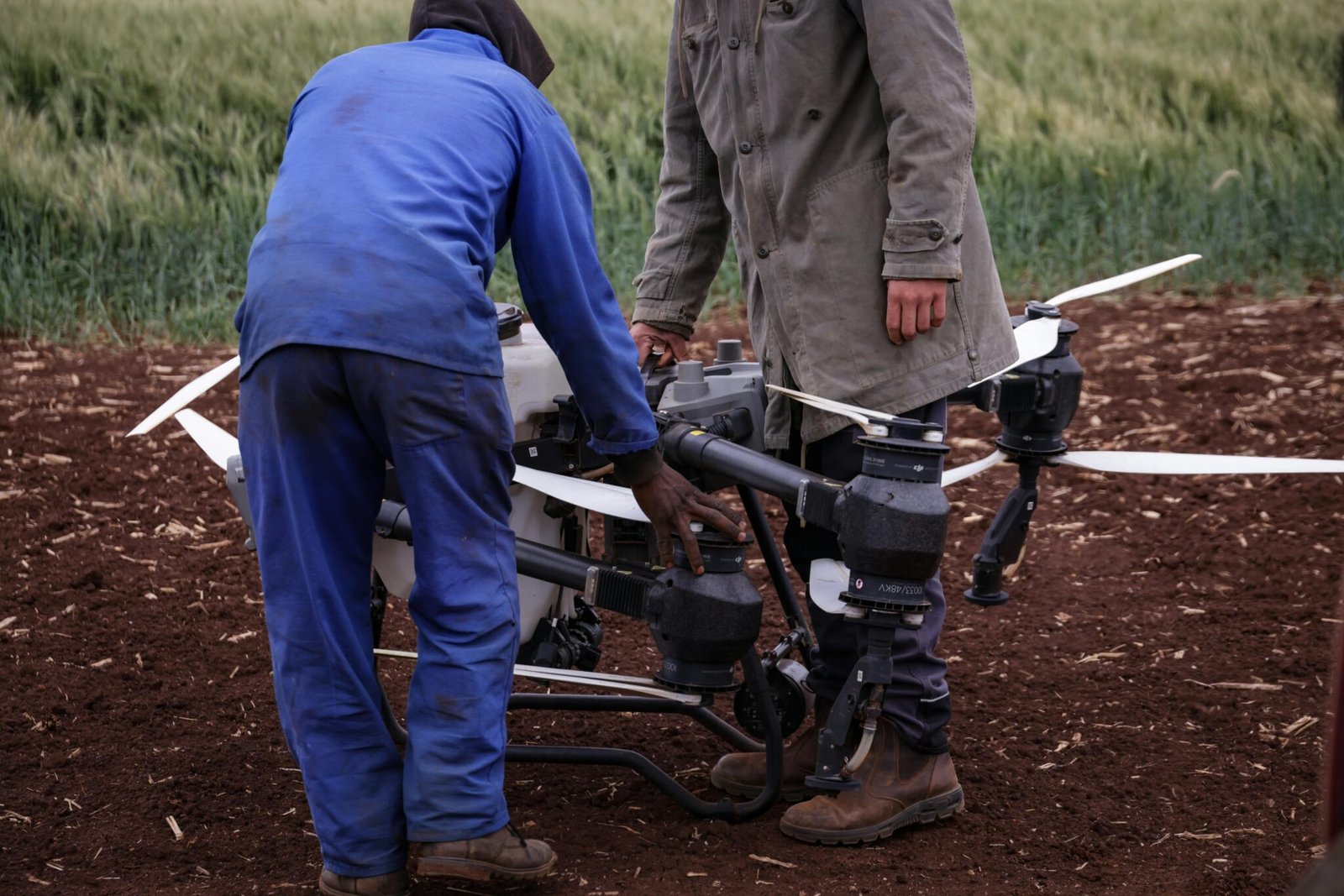




The sun-baked fields of Tarlac became a living laboratory for a new kind of farming—one where a drone lopes low across the soil, seed hopper gently releasing rows of seed with exact spacing. It’s a vivid image of direct seeding drones in action, a method that aims to cut labor, reduce waste, and improve germination when rain and drought swing the odds. This isn’t a speculative tech demo; it’s a practical approach that farmers can run at scale on fairly ordinary fields. The scene is part of a broader push to modernize rural agriculture with precision tools that lock in yield while trimming costs.
Recent Trends
- Direct seeding drones gain traction in Southeast Asia
- Precision agriculture expands for smallholder farms
- Regulatory clarity improves drone use in farming
At the heart of direct seeding drones is a lightweight platform carrying a seed hopper, a controlled release mechanism, and an onboard positioning system. The operator targets furrows or prepped rows, letting the drone place seeds with consistent depth and spacing. In practical terms, this can shorten planting windows and reduce the need for manual labor during peak seasons. For farmers managing small plots or fragmented fields, the capability offers a reliable alternative to traditional broadcast seeding and hand planting. In this context, the technology is less about a single gadget and more about a repeatable workflow that integrates with existing farm practices.
According to Daily Tribune, the initiative aligns with the Department of Agriculture’s ongoing modernization drive to boost rural incomes and resilience. The article notes that the project is part of broader efforts to bring scalable, tech-enabled tools to Philippine farmers, helping them cope with variable weather and rising input costs. This positioning matters because it signals a shift from pilot projects to deployable systems that can be adopted by mid-sized and family-run farms alike.
For readers new to the concept, direct seeding drones are not just about seeding faster. They embody a broader trend toward precision agriculture, where data drives decisions and machines perform repetitive tasks with high accuracy. Direct seeding drones can contribute to more uniform seed germination, better resource use, and improved field-level performance over time. In Tarlac, the trials illustrate how drone-enabled seeding complements existing irrigation and soil management practices rather than replacing them entirely. The result could be steadier yields and more predictable harvests, even as weather brings surprises year to year.
How the tech works
Direct seeding drones combine three core elements: a seed hopper, a release mechanism, and a precise navigation system. Operators program routes along preselected rows, then the drone descends to seed at measured intervals. The use of GPS or RTK positioning helps ensure spacing accuracy, which matters for germination and nutrient uptake. Aerial seeding is not a novelty in itself, but pairing it with controlled release and repeatable flight patterns makes the approach viable for routine farming tasks. For farmers, this reduces manual work while maintaining or improving soil contact and seed-to-soil contact efficiency.
Why it matters for farmers and policy
The ability to deploy direct seeding drones at scale could reshape cost structures on farms across the Philippines and similar markets. Labor is a major expense in planting, especially during peak seasons. A drone-based system can lower these costs while preserving or boosting crop yields, making smallholders more competitive. From a policy standpoint, the shift toward drone-enabled agriculture invites regulatory considerations around flight safety, airspace management, and data privacy. As governments observe real-world outcomes, clear guidelines and certification pathways will be essential to unlock broader adoption without compromising safety. For defense planners and industry watchers, the example from Tarlac offers a blueprint for how to blend technology, extension services, and farmer education to accelerate the adoption curve.
Conclusion
Direct seeding drones represent a practical step forward in field cultivation. The Tarlac demonstration shows how drones can enhance efficiency, reduce labor intensity, and deliver more uniform germination when moisture and soil conditions vary. While not a panacea, the approach aligns with broader trends in precision agriculture that emphasize data-driven decisions and scalable, repeatable workflows. If the Philippines’ agriculture ministry continues to support pilots like this with regulatory clarity and farmer outreach, direct seeding drones could become a common sight on farms across the region, signaling a tangible leap in farming tech adoption. For readers and farmers alike, the takeaway is simple: technology is moving from novelty to necessity in the fields, and direct seeding drones are at the forefront of that shift.

















