
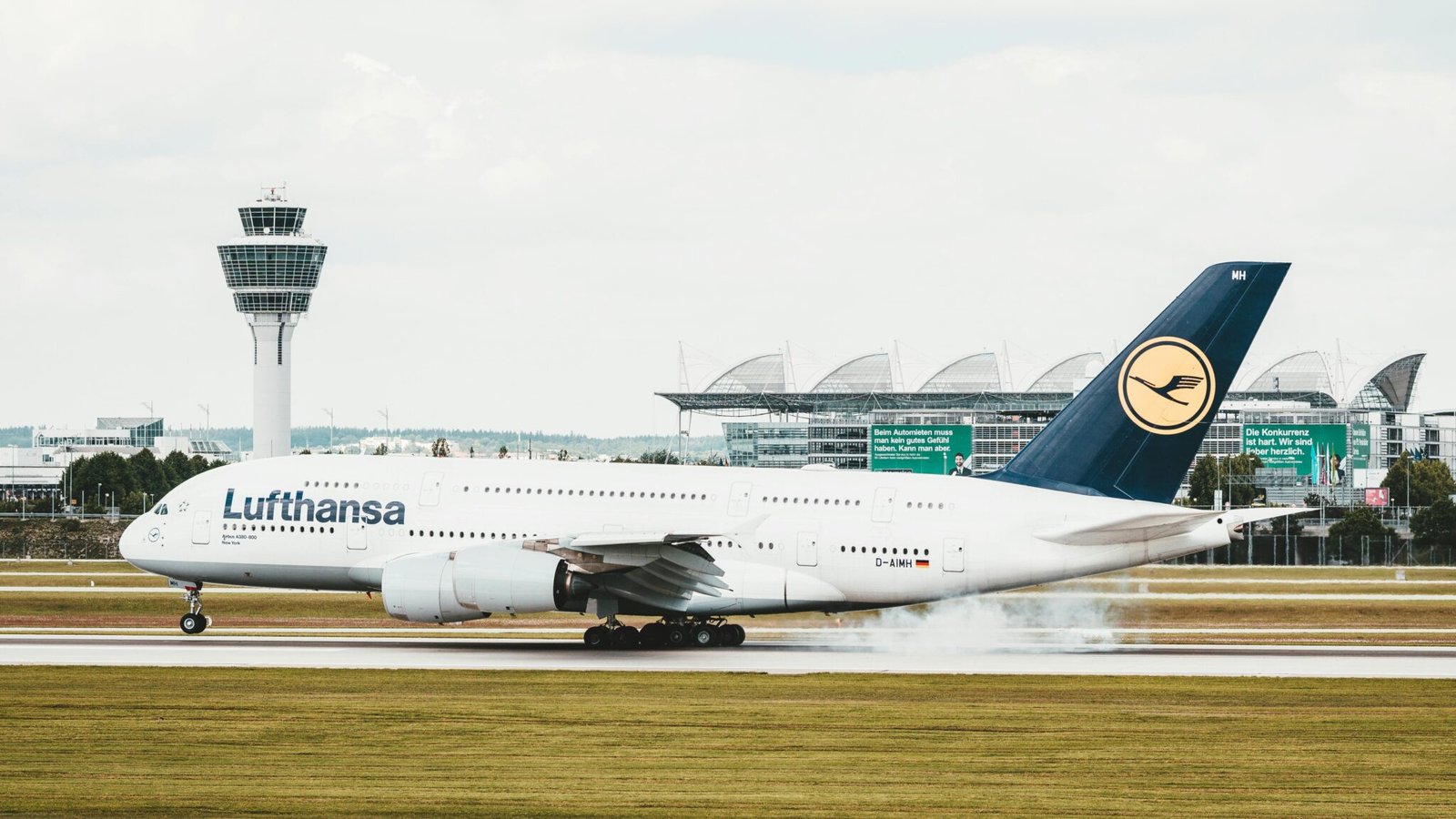




Night shifts at Munich Airport ended with a quiet runway and a chorus of anxious travelers rebooked into the weekend. The air was thick with questions as airline staff scrambled to reroute flights and passengers hunted for alternate routes. Flights were suspended late Friday due to drone sightings, forcing the hub to pause operations for hours.
Recent Trends
- EU accelerates counter-drone rules
- Airports test drone detection tech
- Increased focus on urban airspace security
By Saturday morning, authorities had lifted the shutdown and the airport resumed service, though the disruption underscored how dependent the system is on timely warnings from security teams. According to PBS.org, Munich Airport reopened Saturday morning after authorities shut it down the night before for the second time in less than 24 hours following two additional drone sightings.
News of the closures highlights a growing risk vector for European airspace: drones overflying or hovering near crowded hubs. The event comes as regulators, airlines, and airport operators invest in a layered counter-drone approach that blends detection, verification, and controlled response for airport drone security. For defense planners, the message is unmistakable: incidents like this can cascade into missed flights, passenger backlogs, and political pressure on regulators to move faster.
Airport-scale counter-drone tech on trial
Munich and other European airports are expanding detection networks that combine radar, optical sensors, and AI-driven analytics to spot small drones before they breach security perimeters. Some programs implement geofencing alerts that trigger contingency plans when a drone enters a protected zone. These efforts are not about one device, but about a layered system that can identify, verify, and respond without relying on a single solution.
Regulatory and industry implications
Across the EU, authorities are rushing to align rules on drone flights near critical infrastructure. The EU’s evolving policy framework aims to standardize risk assessments, liability, and response protocols for airports and airlines. In Germany, the Luftfahrt-Bundesamt and airport operators are testing standardized procedures so a future drone sighting yields a faster, predictable response that minimizes disruption.
What travelers should know
For passengers, the takeaway is practical: if you fly in peak season or to major hubs, monitor airline alerts and pack flexibility into plans. When authorities issue a no-fly notice or a perimeter lockdown, the best bet is to stay informed through official channels and allow extra transit time on arrival. For carriers, the episode reinforces the value of preplanned contingency routes and transparent passenger communications. Airport drone security remains a moving target, so staying engaged with airline notices is wise.
Conclusion
Munich’s reopening shows how drone sightings near airports are no longer rare incidents but a policy and technology prompt. The industry is building resilience through detection networks, standardized procedures, and smarter risk management. As airports around Europe test and adopt these counter-drone measures, the next test will be ensuring that security doesn’t unduly hamper efficiency or privacy.

















