
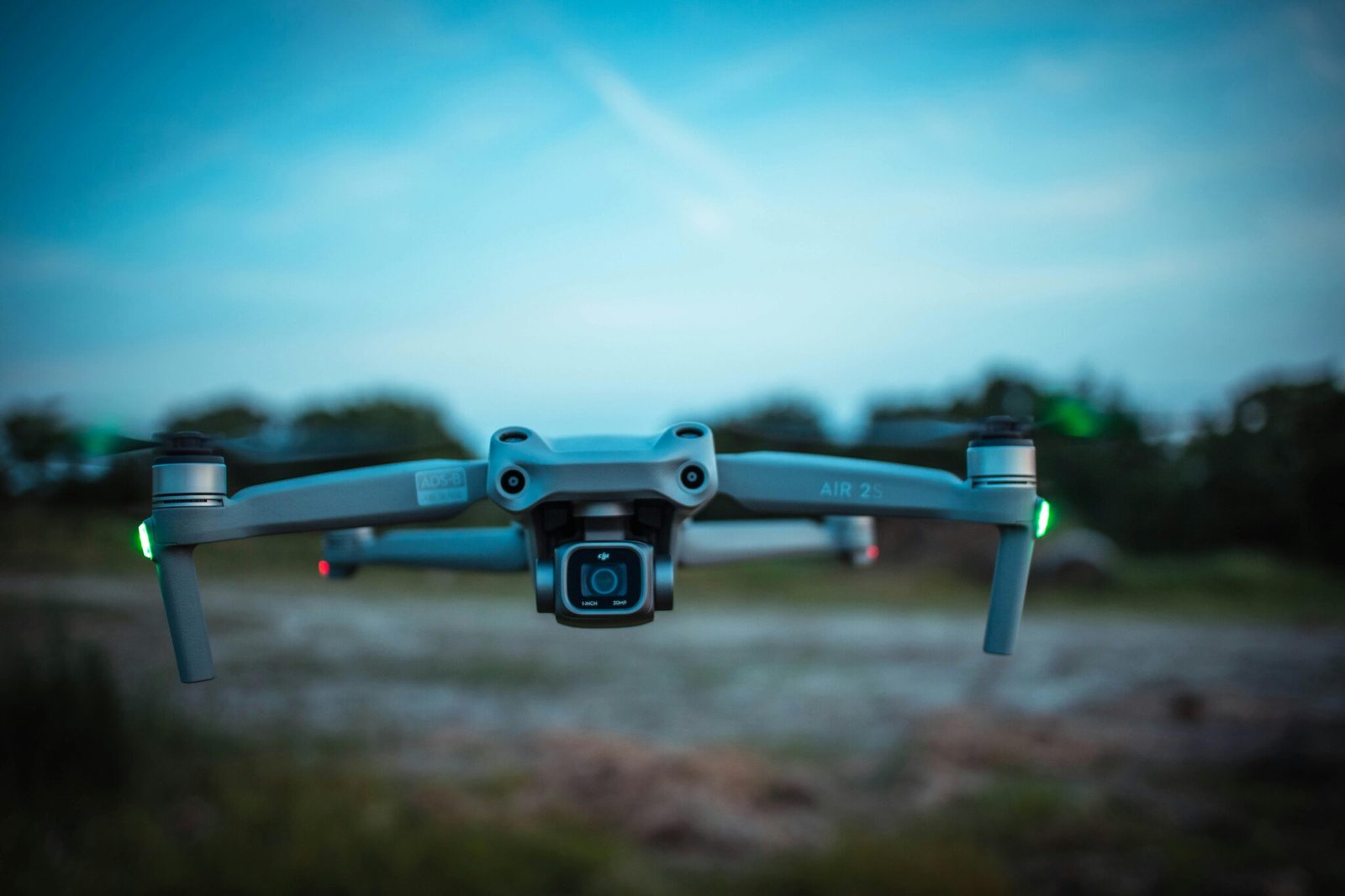




A drone on a critical mission now carries a shield with real-time smarts. Mobilicom has unveiled a secured autonomy computing platform that blends OS3 cybersecurity with rugged AI compute from Aitech, signaling a new standard for defense-grade autonomy.
Recent Trends
- Growing demand for secure, mission-critical onboard compute in UAS
- Rugged edge AI platforms gain uptake in defense and civilian missions
- Cybersecurity integrated into autopilot and mission computers becomes standard
Secured Autonomy Computing
The Secured Autonomy Compute PRO-AT is a joint solution that pairs Mobilicom’s OS3 cybersecurity software with Aitech’s rugged, NVIDIA-powered AI supercomputers. At its core is the A230 Vortex AI GPGPU system, designed to endure harsh environments while crunching neural networks in real time. The platform targets larger, faster drones, including systems that fall into the U.S. DoD’s Group 2 and 3 UAS categories. This combination signals a new category: secured autonomy computing that fuses threat-resilient software with hardened compute hardware.
In summary, the PRO-AT offers a mission computer with embedded defense-grade cybersecurity. OS3 continuously monitors the platform, detects threats, and prevents tampering or data exfiltration during flight. The architecture supports multi-layer IDS and IPS for real-time defense, and it is designed to meet the regulatory demands common in aerospace and defense markets. For operators, this means higher mission continuity and reduced risk of cyber disruption in complex operations.
According to Help Net Security, the Secured Autonomy Compute PRO-AT combines OS3 cybersecurity with Aitech’s rugged, NVIDIA-based AI supercomputers and specifically notes the A230 Vortex as a key component. This integration enables autonomous flight control, real-time surveillance, and heavy payload processing in harsher environments, accelerating the OODA loop: Observe, Orient, Decide, Act, so operators make faster, better decisions under pressure. The result is not just more power, but a higher bar for cybersecurity baked into the core compute stack.
Why it matters for the industry: tying cyber defense directly into the mission computer reduces the risk of data theft, sensor spoofing, or tampering during flight. It also helps UAS manufacturers meet stringent standards without sacrificing performance. The approach aligns with a broader shift toward edge AI where processing happens on the drone itself, not in a distant data center. For defense planners, the message is clear: security is no longer an afterthought in autonomous flight.
What makes SA Compute PRO-AT unique
Mobilicom describes SA Compute PRO-AT as a new category within the broader Secured Autonomy Computing roadmap. By embedding OS3 cybersecurity into high-performance NVIDIA-powered hardware, the platform promises both regulatory compliance and proactive threat defense, a combination that has been scarce in fielded drone systems until now.
Industry impact and use cases
In practice, the system is aimed at Tier-1 UAS suppliers and government contractors seeking to deploy autonomous drones with stronger cyber resilience and mission assurance. It supports autonomous flight control, real-time data processing, and secure communications across the airframe. In the civilian sector, the same stack could enable sophisticated inspection, mapping, and payload processing while maintaining strong protection against cyber intrusion.
For readers, the big takeaway is this: securing autonomy at the hardware-software edge is becoming a baseline capability for next-generation drones, not a niche feature. The combination of OS3 security and rugged NVIDIA compute helps operators reduce downtime and risk during critical missions.
Conclusion
Mobilicom’s Secured Autonomy Compute PRO-AT marks a meaningful advance in drone autonomy by tying defense-grade cybersecurity directly to the mission computer. As more drones fly in contested or remote environments, this approach could become a standard path for reliable, secure autonomy across military and civilian programs.

















