
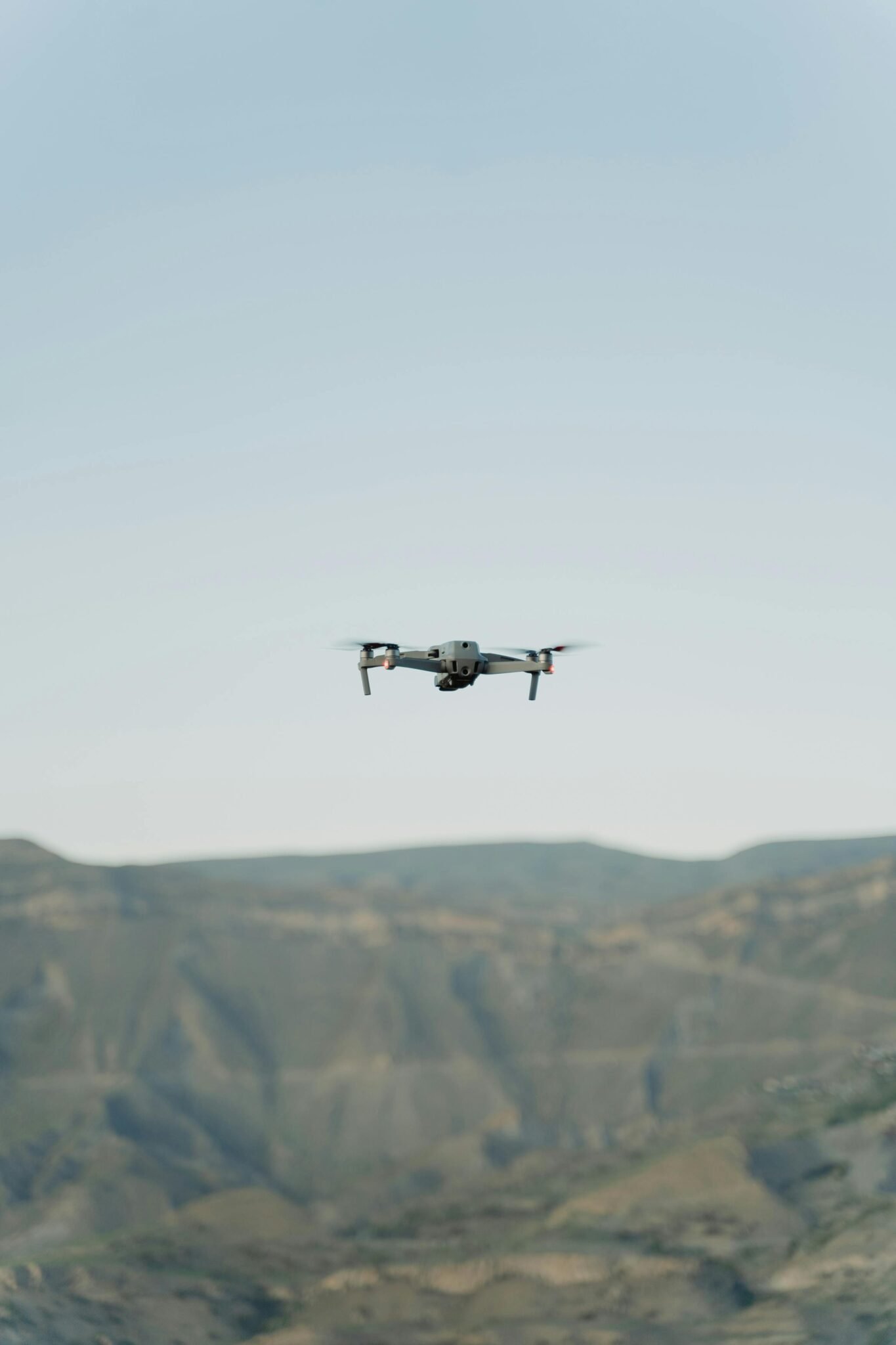




Cape Town’s Milkor has quietly built a drone that can stay aloft longer than most rivals, turning heads at the G20.
Milkor 380 UAV
At a time when endurance, range and payload dominate drone development, Milkor’s 380 marks a milestone for Africa’s aerospace ambitions. The 380 is billed as the largest UAV ever designed and flown on the African continent, capable of a 30-hour endurance, a 4,000-kilometre range and a 220-kilogram payload. The platform is pitched for applications from border surveillance to anti-poaching and maritime domain awareness, as well as intelligence gathering. Milkor’s executives frame the project as a signal of both capability and intent for a regional industry seeking to expand beyond local contracts.
Recent Trends
- Growing sovereign UAV programs in Africa
- Endurance and payload advances drive larger drones
- Rising interest in domestic defense manufacturing and exports
Milkor founder and spokesman Daniel du Plessis stressed that the team is built around local expertise. ‘The work we’ve been doing in terms of drone development and UAV technology in South Africa has been substantial and has drawn interest not only from G20 members but from neighboring countries and global players,’ he said. The company employs about 550 engineers and technicians, all locally sourced. South Africa is one of only about 10 countries capable of producing UAVs of this scale, a fact Milkor frames as both a competitive edge and a policy lever for export growth.
Du Plessis notes that retaining skilled engineers remains a challenge in a tight global market, but the company is pursuing a two-track strategy. It keeps veteran aerospace talent and also recruits and trains new engineers from top SA institutions, handing down knowledge to ensure skills do not dry up. ‘Patriotism is a quiet but powerful motivator here,’ he said. ‘We want South Africans involved in a system that is world-renowned and world-leading, and that creates a pipeline for future jobs.’
For global readers, the Milkor 380 matters beyond a single drone. Its scale underscores how a relatively young domestic industry can begin to compete in the high-end UAV segment, where endurance, payload and autonomy are the triples that determine bids for border control, coast guard, and disaster-resource missions. This is not just tech demo; it signals a broader push to convert aerospace know-how into export revenue and strategic capability. The G20 spotlight helped turn a local project into a case study for how Africa could repurpose defense know-how into civilian and security applications. According to EWN, the Milkor 380 drew delegates from dozens of countries at the summit, who asked about timelines, certification, and local supply chains.
What makes the Milkor 380 different goes beyond specs. First, its endurance and range expand what a single airframe can cover for missions such as long-range reconnaissance or maritime patrol. Second, its dose of payload capacity unlocks new mission profiles that previously required multiple aircraft or specialized platforms. Finally, Milkor emphasizes a homegrown talent model: a full local design, integration and maintenance ecosystem that bolsters regional resilience and export potential. For defense planners, the message was unmistakable: a well-supported domestic UAV ecosystem can scale rapidly when backed by skill, infrastructure, and a clear market.
What makes the Milkor 380 different
- Long-endurance platform capable of 30 hours in flight
- Heavy payload capacity up to 220 kilograms
- 4,000-kilometre operational range for distant surveillance
Implications for South Africa and the region
The Milkor 380’s appearance on the world stage highlights a growing domestic drone manufacturing base in South Africa. It demonstrates that a country with a mature defense-industrial heritage can translate aviation know-how into modern UAV platforms. For regional security, this could enable more capable border control, fisheries protection, and search-and-rescue support, while also inviting questions about export controls and international certification regimes.
Regulatory and export considerations
As Africa’s UAV sector expands, regulators and industry groups will increasingly balance safety, sovereignty and export potential. South Africa’s experience with dual-use technology points to a need for clear licensing pathways, quality assurance, and track-and-trace supply chains. Milkor’s case suggests that a domestic aerospace cluster can attract partnerships, training programs, and foreign investment when policymakers align export incentives with safety standards.
FAQ
How long can the Milkor 380 fly? Up to about 30 hours under suitable conditions, depending on payload and flight profile.
Where is Milkor based? The company operates out of Cape Town, with most design and manufacture conducted domestically.
Conclusion
The Milkor 380 UAV at the G20 Summit marks more than a single product debut. It is a milestone for South Africa’s defense industry, proof that domestic talent can scale to high-end, export-ready platforms, and a signal that Africa may increasingly become a producer, not just a consumer, of advanced unmanned systems.

















