





On the eve of Mumbai’s 17th anniversary of the 26/11 attacks, a quiet revolution in urban security is taking shape. The Maharashtra Police are drafting a drone-use policy to strengthen surveillance in Mumbai and other major cities, a move that signals drones are becoming a backbone of public-safety strategy in India.
Recent Trends
- Growing use of drones in city security architecture
- AI-enabled CCTV integration across metropolises
- Coastal surveillance upgrades and interagency coordination
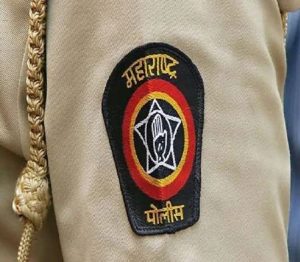
The initiative sits inside a broader modernization drive that pairs unmanned aircraft with a vastly expanded CCTV network and AI-powered video analytics. Officials say the policy will spell out when and where drones may fly, balancing rapid response with privacy and airspace safety.
The push fits a wider modernization drive that pairs unmanned aircraft with an expanded CCTV backbone and AI-powered analytics. The policy is expected to outline deployment guidelines, ensuring drones contribute to crowd management, search and rescue, and coastal security while respecting legal and civil liberties.
According to Orissa Post, the blueprint has been prepared by the state police’s elite Force One unit with help from central agencies. The plan envisages a drone unit within the police structure and foresees deploying drone support for security and surveillance in megacities and in districts affected by insurgent activity.
As the policy takes shape, deployment timing and locations will hinge on situational needs. Drones are expected to augment ground crews for crowd control, disaster response, and coastal security, not just in Mumbai but along the state’s coastline and in adjoining districts.
The government has already intensified coastal defense, ordering 20 additional interceptor boats and upgrading radar systems. The third phase of the Mumbai CCTV project, valued at about Rs 2,140 crore, will add hundreds more cameras and enable more seamless integration with facial recognition and AI-based analytics to identify threats in real time.
In practice, the drone policy could redefine how agencies coordinate. A dedicated drone unit could standardize training, procurement, and airspace protocols across municipal and state lines, while central agencies may help modernize safety and regulatory oversight. For industry players, this means a growing demand for compliant security drones, sensors, and data-processing platforms tailored to law enforcement needs.
For readers, the underlying message is clear: as Mumbai and other cities grow more connected, a layered network of cameras, drones, and analytics will shape how security is delivered—with speed, scale, and accountability at the center.
According to Orissa Post, the Maharashtra government is building this blueprint with the cooperation of central agencies, and Force One is spearheading the effort to embed drones into a formal police unit dedicated to security and surveillance across the state.
Policy implications and industry outlook
The move reflects a broader global trend: governments are stitching drones into public-safety operations as part of a layered security approach. For the drone industry, the policy signals growing demand for purpose-built security platforms, compliant geofencing, data handling, and interoperable AI tools that can be deployed quickly by police and civil authorities. Jurisdictional questions will matter, particularly around privacy protections and airspace coordination with civilian operators and airlines. In India, the policy could set a template for other states seeking to balance rapid response with civil liberties as urban and coastal zones expand.
Operational and regulatory context
LAE: The policy’s success will depend on clear training standards, procurement practices, and cross-agency workflows. The emphasis on situational deployments means drones will be used where they add value—critical events, large gatherings, disaster response, and sensitive coastal zones—without becoming an overbearing surveillance blanket. The integration with facial recognition and AI analytics will require robust governance to prevent misuse and ensure transparency. For defense and security planners, the message is unmistakable: drones are now a strategic enabler of urban resilience.
FAQ
Q: What is the primary aim of the drone use policy?
A: To standardize when, where, and how drones are deployed for security and surveillance, while protecting privacy and airspace safety.
Q: Will drones replace existing security tools?
A: No. They will complement CCTV, radar, and human patrols, creating a layered, more responsive security network.
Conclusion
The Maharashtra drone-use policy marks a turning point in how Indian cities approach security. By marrying drones with an expanded CCTV grid, AI analytics, and coordinated coastal surveillance, Mumbai and other urban centers aim to raise safety benchmarks without losing sight of civil liberties. If executed with clear governance and transparency, this policy could become a blueprint for modern, scalable, and accountable public-safety operations across India.

















