
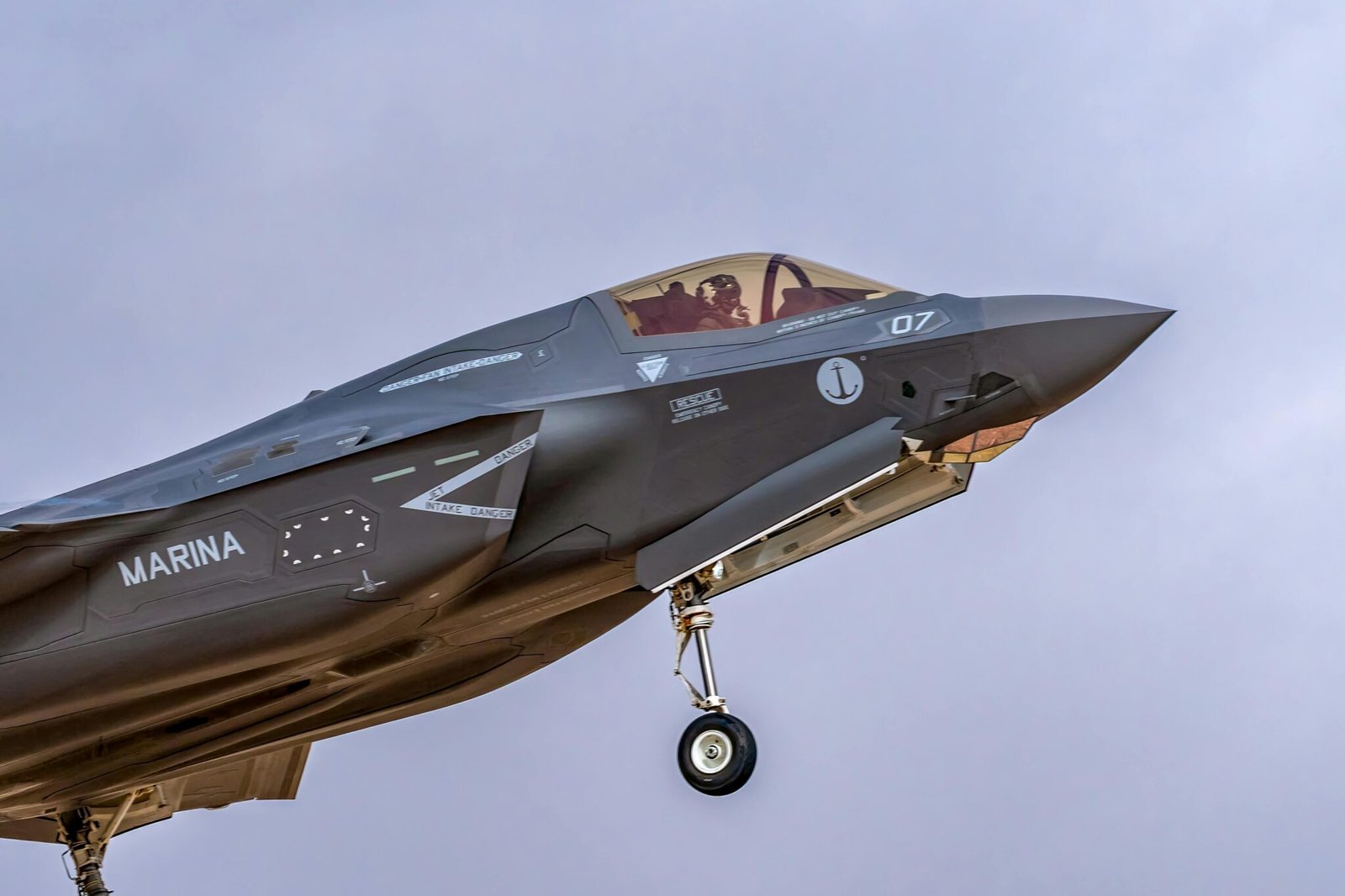




An F-22 Raptor stitched a new path for air warfare aloft over Nevada. In a live test out of Nellis Air Force Base, a single-seat fighter pilot used an open cockpit interface to command a second airborne asset. The drill focused on a pilot vehicle interface that translates human intent into drone actions while the jet remains free to perform its own mission.
Recent Trends
- Manned-unmanned teaming expands in defense
- Pilot vehicle interfaces gain emphasis in cockpit design
- AI-enabled autonomy accelerates air combat concepts
This milestone matters because it shifts the center of gravity in air operations from pure platform performance to coordinated teams of manned and unmanned assets. By enabling a fighter to orchestrate a drone in flight, the door opens to more resilient missions, better situational awareness, and faster decision cycles in contested airspace. Industry observers say the approach reduces the need for bespoke software for every drone, instead leaning on widely compatible, open interfaces that can plug into current fighters such as the F-22 and future platforms.
The flight, conducted in coordination with Lockheed Martin Skunk Works and the U.S. Air Force, highlighted the Pilot Vehicle Interface or PVI as the command channel. The PVI is presented as a flexible, integration-ready system designed to work across platforms, enabling human operators to issue clear, low-latency drone commands while retaining full control of the aircraft’s own mission. This is not a one-off demonstration; it is a testbed for the Air Force’s family of systems concept that seeks to weave together crewed and uncrewed assets into a cohesive battle network.
According to PR Newswire via MarketScreener, OJ Sanchez, Lockheed Martin Skunk Works executive, framed the milestone as a breakthrough in air combat capability, underscoring the long-running focus on autonomous and AI-enabled operations in both crewed and uncrewed systems. He stressed that the effort demonstrates human-machine teaming in real time and the potential to extend the advantage of U.S. airpower by integrating drones with manned fighters. The event emphasizes that such interfaces must be safe, reliable, and intuitive for pilots who already manage complex sensor and weapon systems.
Technology Spotlight: Pilot Vehicle Interface
At the core is a simple but powerful idea: give skilled pilots a trusted, real-time control path to smaller, autonomous aircraft without reprogramming the cockpit for each drone. The PVI concept translates a human operator’s intentions—commands like “take this path,” “scan that sector,” or “execute mission profile” — into drone actions while preserving pilot situational awareness. In civilian terms, think of it like a universal remote that respects both the ground truth on the drone and the fighter’s own flight plan.
The open-interface approach matters because it reduces vendor lock-in and accelerates integration. For drone developers, it offers a clearer route to bring autonomous or semi-autonomous platforms into multi-asset missions. For air forces, it promises greater interoperability and a more scalable architecture for future operations.
Implications for Industry and Policy
The demonstration aligns with a broader push in defense and aerospace to mature trust between humans and machines. Yet it also raises questions about safety, certification, and oversight. Regulators and operators will want to see consistent performance under electronic warfare, latency constraints, and potential cyber threats. As a result, we should expect continued emphasis on robust interface design, fail-safe modes, and rigorous testing protocols before such systems become routine in mission theaters.
Conclusion
The Lockheed test marks a step forward in the evolution of air combat where a fighter cockpit can seamlessly command unmanned assets. For drone makers, it signals a growing demand for open, adaptable interfaces. For air forces, it highlights the strategic value of human-machine teaming in shaping faster, more flexible, and more survivable missions. The path ahead will require careful attention to safety, standardization, and cross-platform interoperability as these flight-deck collaborations move from demonstration to deployment.

















