
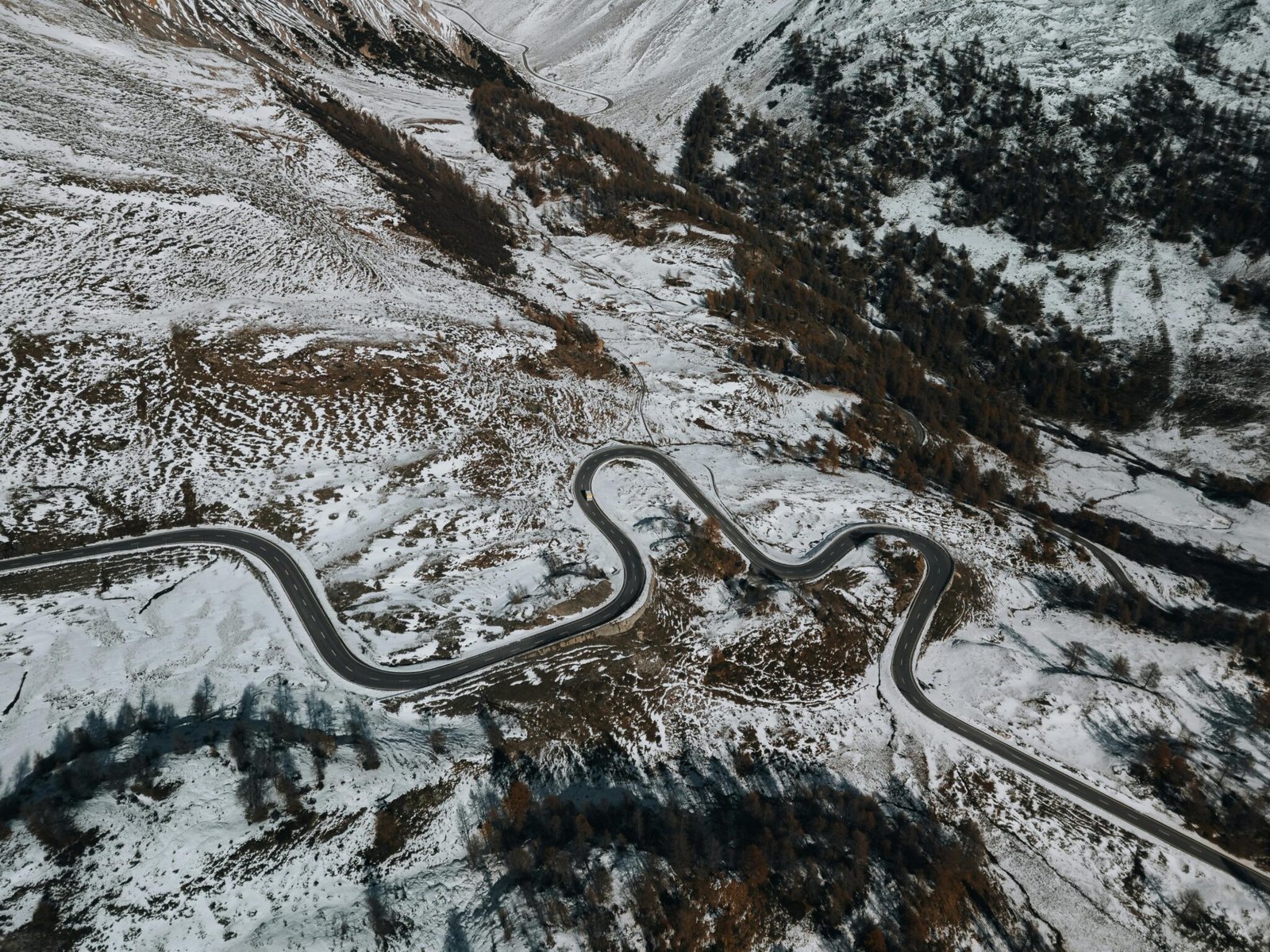




A drone that looks both futuristic and extremely practical lands in the hands of creators this season. Insta360 unveiled the Antigravity A1, a compact flying rig that promises true 360-degree view and hands-on motion control for immersive content. The device aligns with a growing push in the industry to merge spherical capture with real-time flight control, enabling new storytelling formats for social apps and VR experiences.
Recent Trends
- The rise of 360-degree capture in consumer drones
- Motion-controlled flight expands handheld workflows
- VR-ready drones drive creator economy
At first glance, the A1 seems built for creators who want a single package that can deliver sweeping, all-around perspectives without swapping rigs. Insta360 emphasizes an 8K spherical video capability paired with a lightweight chassis, making the drone portable enough for on-location shoots. The system also carries an immersive Vision headset compatibility angle, signaling a shift toward viewing and editing in a more integrated, first-person style. For filmmakers and influencers, that combination could shorten workflows from capture to publish, especially for action, travel, and event coverage.
From a product-design perspective, the Antigravity A1 appears to tackle a familiar tension in drone work: high-end image quality versus ease of use. A true 360-degree drone exists at the intersection of high-resolution optics, stable flight, and intuitive control. Insta360’s approach seems to center on a controllable, fluid motion library that can pan, tilt, and orbit around subjects with precision. In practice, this means operators can frame moments in a single shot that previously required multiple passes or a separate camera array. For creators, that reduces the gamble of stitching together a multi-camera rig in post and can speed up production cycles for timely content.
Beyond the hardware, the Antigravity A1 signals an evolving ecosystem for spherical storytelling. The concept of a 360-degree drone has long teased a future where viewers feel truly surrounded by a scene rather than watching from a fixed angle. Insta360’s emphasis on motion control hints at workflows where directors choreograph camera movement in real time, blending drone footage with handheld or ground-based shots to maintain continuity and energy. It’s a trend you can already see in related markets where camera rigs are designed to be more adaptable for creators who shoot solo or with small teams.
For context, the market has seen a mix of 360-camera rigs and traditional drones. DJI remains the dominant force in conventional aerial platforms, but the A1 shows there is appetite for specialized devices that blur the line between fixed-eye capture and dynamic flight. The pairing of 360-degree capture with motion control could influence how studios plan shoots, particularly for live-streamed events or travel documentaries where a single operator needs to cover wide spaces quickly. In practical terms, the A1 could become a go-to tool for photographers expanding into aerial VR experiences or for real-time broadcast-style workflows on short-form platforms.
Industry observers will want to watch how Insta360 manages airspace considerations and safety as it expands into more complex flight features. Regulatory bodies around the world continue to adapt rules for advanced drones that push beyond standard forward-facing cameras. The practical takeaway for operators is simple: new capability often comes with new compliance checks, like geofencing, flight planning apps, and export controls for high-resolution data. A 360-degree drone like the A1 could accelerate adoption in professional settings, but it also invites closer scrutiny from regulators and insurers who want to ensure predictable, safe flights in crowded environments.
Early hands-on feedback will likely focus on how motion control performs in windy conditions, how quickly editors can work with the 8K footage, and how well the Vision headset integration translates from concept to daily use. If Insta360 can deliver consistent stability and a smooth user experience, the A1 could become a reference point for the next wave of creator-centric aerial tools. That would help broaden the market beyond enthusiasts to small studios that want cinematic capabilities without heavyweight rigs. For defense planners and policy experts, the message is clear: the industry is refining tools that enable more immersive content, which will shape how training, simulation, and field reporting are conducted in the near future.
In short, Insta360’s Antigravity A1 embodies a broader industry push toward seamless, immersive capture. It blends high-resolution spherical video with intuitive flight and a viewer-first pipeline that prioritizes storytelling as much as specs. Expect broader competition as other camera brands explore similar combinations of spherical capture, motion control, and VR-ready workflows. The result could be a faster move toward a standard toolkit for creators who want to tell bigger stories with fewer pieces of equipment.
For readers and creators, the takeaway is practical: a 360 degree drone like this expands what is possible in field storytelling. It challenges producers to rethink shot lists and edit plans, encouraging more ambitious daily content. The Antigravity A1 is not merely a new toy; it’s a signal that the creator economy continues to embrace more sophisticated, accessible aerial storytelling tools. As the sector matures, these devices will drive new formats, collaborations, and revenue streams for professionals who embrace immersive content.

















