
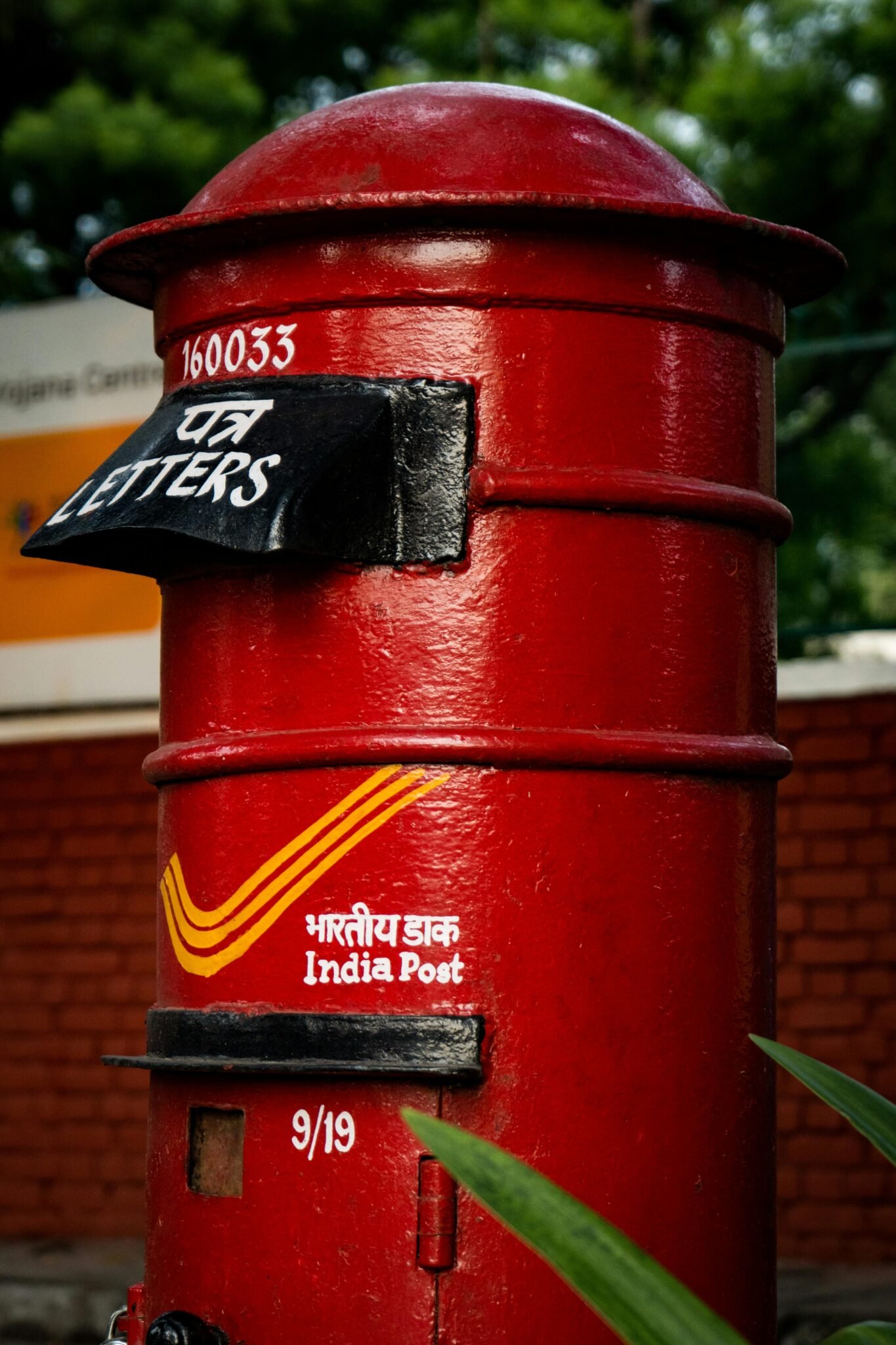




In the remote stretches of Gadchiroli, a district carved by forests and winding hills, the idea of mail arriving by air is moving from rumor to a test run. India Post is exploring drone-based deliveries to reach villages where roads are often blocked by rain, landslides, or security concerns. The pilot aims to verify whether unmanned aircraft can carry letters and small packets to residents who currently wait days for mail. The effort signals a broader push to bring public services closer to citizens using drone technology, especially in hard-to-reach areas.
Recent Trends
- Rural drone logistics expand in India
- Public sector drones gain traction for essential services
- Regulators evolve rules to enable UAV delivery
Public interest in faster, more reliable delivery is driving a spectrum of drone experiments across India. Gadchiroli’s phase-one plan centers on a central hub in Chandrapur, from which mail would be dispatched to designated pockets after verification at the postal headquarters. The approach prioritizes basic mail—letters and small packets—where road access is limited and time-sensitive documents can matter for residents and local businesses alike. For communities that have long faced irregular mail service, this could translate into tangible daily benefits, from faster bill notices to quicker acknowledgement of government correspondence.
Under the project as described, the drones would operate within a controlled postal network, delivering after the mail passes through the central processing point. This structured flow aims to maintain mail integrity while reducing transit times in regions where conventional routes are slow or hazardous. A source note indicates that the plan is at a preliminary stage, with the potential to expand services if initial legs prove reliable and safe. For residents in Gadchiroli, the possibility of receiving mail with greater predictability is an appealing prospect that showcases how public services can adapt to new technologies.
India’s push into drone-enabled public services aligns with broader government ambitions to modernize rural logistics and bridge the digital divide. The Gadchiroli initiative mirrors experiments in other states where UAVs are being considered for health supplies, payroll documents, and emergency communications. The core idea is not just novelty; it is about delivering essential services with greater reach and resilience in areas where traditional infrastructure struggles to match demand. As a result, the plan has attracted attention from policymakers and industry observers who watch for scalability, safety, and cost benefits over the long term.
Of course, several challenges sit on the path to scale. Weather variability in forested districts, limited drone payloads, and the need to safeguard mail privacy are practical hurdles. Operational safeguards, secure data handling, and clear protocols for handling mis deliveries will be critical as pilots move from concept to routine practice. Moreover, building local trust will require transparent communication with communities about flight schedules, airspace use, and the types of mail included in drone routes. The success of Gadchiroli’s pilot could influence future deployments in other Naxal-affected or remote regions where traditional postal routes are unreliable. For defense planners and civil authorities alike, the message is clear: UAVs are increasingly part of a diversified toolkit for public service delivery, not just a niche technology.
According to PTI reporting carried by Deccan Herald, the drones are likely to deliver mails after they are received at the headquarters, ensuring that every item passes through oversight before air movement. This governance angle matters because it reassures citizens that even in a new delivery channel, accountability and standards remain intact. The reported setup highlights a careful, phased approach: test, monitor, and then consider expansion based on results. For industry observers, it signals how public sector ambitions, even in sensitive regions, are balancing innovation with oversight and risk management.
From a policy perspective, India’s evolving drone framework remains a live work in progress. The Gadchiroli plan comes as regulators refine rules on remote operations, flight permissions, and privacy protections. Analysts expect more pilots tied to rural access and disaster response, which could push the government to formalize partnerships with state administrations, logistics providers, and local communities. For companies in the UAV sector, the project offers a potential blueprint: a measured introduction of drone services that emphasizes safety, data integrity, and social value, rather than a rapid, large-scale rollout that could invite regulatory pushback.
For readers wondering what this means beyond Gadchiroli, the pilot underscores a trend sweeping through the drone industry: public sector adoption is shifting from experimental demos to practical, service-oriented deployments. If successful, India Post’s approach could accelerate the adoption curve for similar programs in other rural districts and for other public services such as government notices, tax documents, and healthcare supply chains. The lesson is simple: drones can extend reach when combined with robust processes, clear governance, and local collaboration. The result could be a more connected, responsive public service that helps citizens stay informed even in challenging geographies.

















