
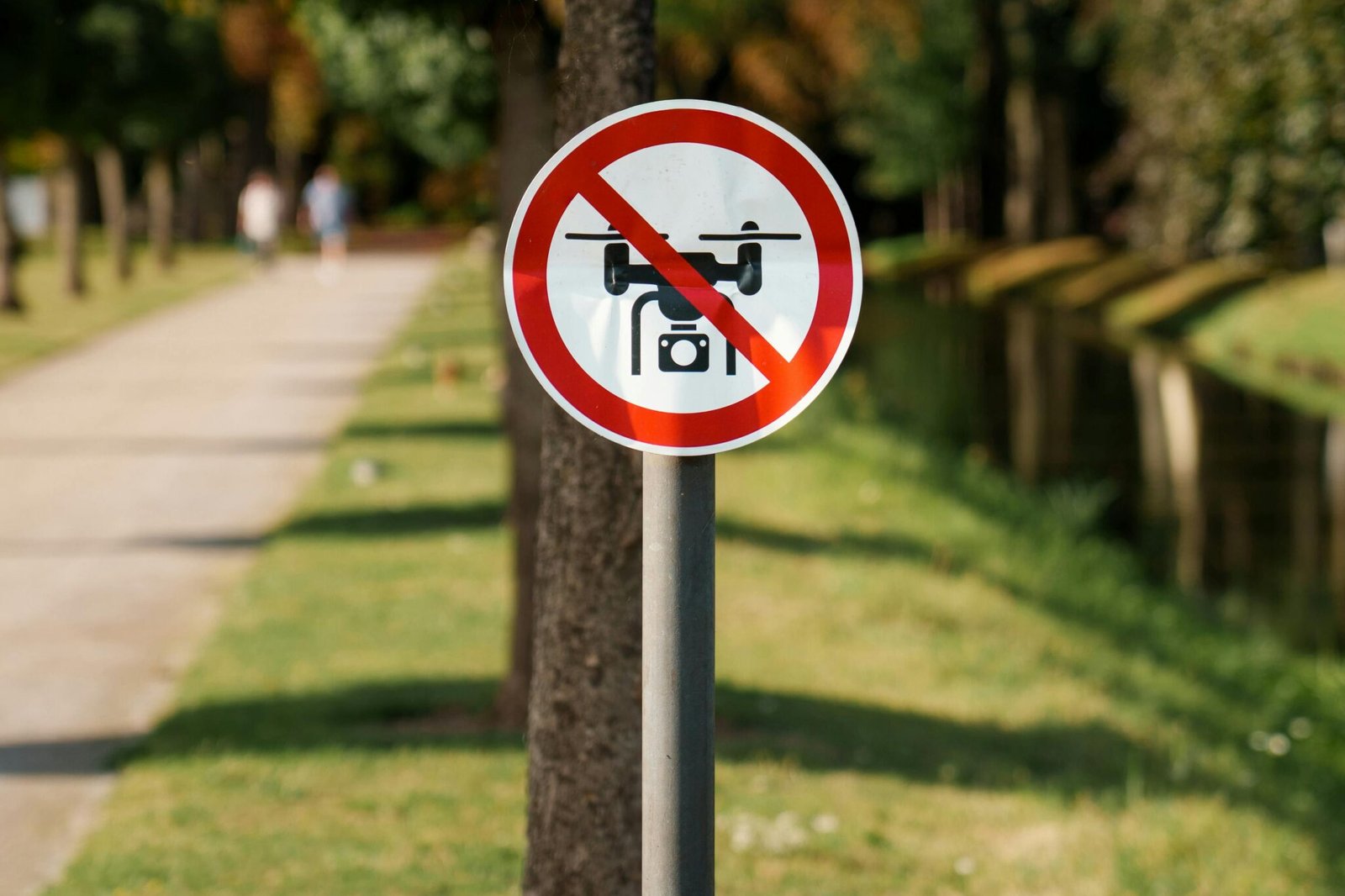




On a crisp fall morning, Georgia Tech rolled out a new approach to campus safety: drones patrolling the perimeter and monitoring activity in real time. The program, still in its early stages, is designed to complement traditional security measures with aerial visibility and rapid response tools. University officials describe it as a measured expansion of safety capabilities rather than a replacement for human patrols.
Recent Trends
- Universities deploy campus-wide drone patrols
- AI-powered analytics for campus safety
- Regulatory clarity grows for on-campus drone use
By integrating lightweight quadcopters with the campus safety center, Georgia Tech aims to shorten alert times during incidents and provide investigators with situational awareness from above. The drones are deployed on predefined routes and can switch to manual control during drills or in emergencies. Operators emphasize that the system is designed to augment, not replace, human judgment and on-the-ground security practices.
Technology and operations
The drones used in the pilot are small enough to operate in campus spaces without causing undue disruption. They carry daylight cameras and, in some cases, low-light sensors to maintain visibility during evening activity. Real-time video feeds are routed to a centralized safety operations center where human operators can verify incidents, issue alerts, or dispatch staff. The goal is rapid situational awareness: if a perimeter breach occurs, staff can pinpoint the exact location and coordinate a coordinated response.
Officials stress that data handling is central to the program. Video and sensor data are stored under strict access controls, with retention policies that align with campus privacy guidelines. The governance framework covers who can view footage, how long it is kept, and how it may be used in investigations. In other words, technology is paired with policy to ensure responsible use.
Policy, privacy and public safety
According to CBS News, the program began as a controlled pilot with trained operators who follow strict data governance rules. The reporting highlights that Georgia Tech carefully navigates privacy concerns by limiting aerial monitoring to approved zones and times, while ensuring that footage is used only for security purposes. For students and staff, the message is clear: if drones are deployed, they come with explicit policies designed to protect privacy and civil liberties.
Beyond school-level rules, this trend sits within a broader regulatory context. The Federal Aviation Administration (FAA) continues to refine guidance on drone operations in complex environments, including university campuses. Institutions typically pursue waivers or operate under special authorizations to ensure that flight activities comply with airspace rules and safety standards. The evolving regulatory landscape matters because it shapes how quickly campuses can scale such programs and what kinds of data they can collect and analyze.
Implications for higher education and industry
Georgia Tech’s move reflects a widening appetite among universities to use autonomous tools to bolster safety. For campus administrators, drones offer a new layer of situational awareness, faster incident response, and the ability to document events for post-incident review. For students, the technology promises to improve safety metrics if deployed with transparency and strong governance. Yet it also raises questions about privacy, data stewardship, and the risk of overreliance on automation. A thoughtful usage policy paired with clear lines of accountability is essential.
Industry observers point to several practical implications. Security vendors may push more integrated packages that combine drones with on-site sensors, analytics dashboards, and incident management software. Universities will likely demand better privacy controls, clear retention timelines, and independent oversight to prevent mission creep. In the longer term, expect more pilot programs at other research institutions as schools test the balance between deterrence, assistance, and civil liberties. For defense planners and higher education leaders, the takeaway is straightforward: technology can elevate safety, but governance and trust determine whether it will be embraced or rejected.
Conclusion
Georgia Tech’s drone initiative signals a critical inflection point for campus safety. Drones offer a tangible boost to situational awareness and rapid response, but their success hinges on governance, privacy safeguards, and thoughtful integration with existing security teams. The broader higher education sector will be watching closely as more universities weigh the benefits against concerns about data use, transparency, and community trust. As the FAA and other regulators shape the rules of engagement, the campus drone era will likely expand, with safety outcomes and student privacy as the two guiding lines.

















