
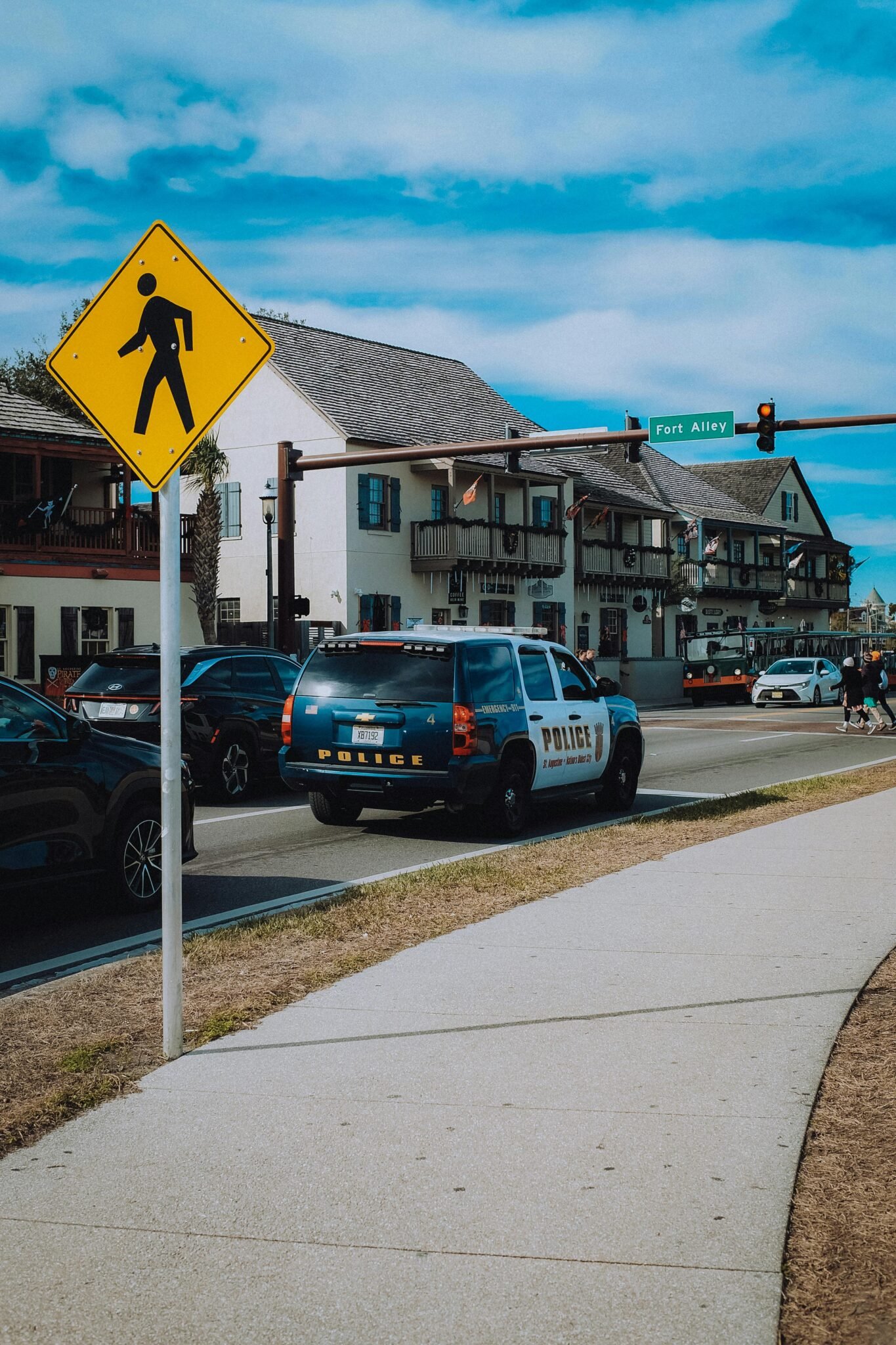




At dawn in Miami-Dade, a new kind of patrol vehicle rolled into view: a police SUV that can drive itself and call in drones when the beat calls for extra eyes. The project centers on Florida’s claim of rolling out America’s first autonomous patrol vehicle, the Police Unmanned Ground Vehicle Patrol Partner, or PUG. The car is part of a year-long trial in collaboration with the Policing Lab, a nonprofit innovation center founded by former LAPD officer Sean Malinowski.
Recent Trends
- AI-enabled policing tools expanding in cities
- Autonomous patrol assets entering field tests
- Privacy debates intensify around surveillance tech
autonomous police cruisers
Officials describe the PUG as a platform that can operate while reporting crimes via AI-powered cameras and on-board processing. The drones launched from the vehicle are equipped with thermal imaging to extend reach in low-visibility conditions. The first car is donated by the Policing Lab; additional units are expected to cost taxpayers between $150,000 and $200,000 each, according to The Miami Herald.
According to Futurism, the program will restrict the vehicle to predetermined patrol routes and will not include highway operation; a sworn officer will ride in the front seat during the trial. The system can identify people in restricted areas or on rooftops, capabilities that officials stress are possible for humans as well, raising questions about autonomy limits. The project also ties the vehicle into local police databases, license plate readers, and public safety software, creating a broader networked layer of surveillance on a single mobile platform.
Beyond the novelty of a self-driving cop car, the Florida test sits squarely at the crossroads of policing policy and technology. Supporters argue that autonomous patrols could extend reach during dispersal scenarios, accelerate response times, and provide real-time situational awareness for incidents that stretch human bandwidth. Critics, however, warn that automated tools amplify privacy concerns, potential biases in AI, and accountability gaps when machines make critical decisions. As Futurism notes, these debates gain urgency as more departments explore AI-assisted surveillance, data fusion, and drone-enabled patrols in real-world settings.
For police departments, the PUG concept signals a broader trend toward hybrid patrol models that blend ground mobility with aerial sensors. Agencies weigh the benefits of rapid information gathering against the costs of maintenance, cybersecurity, and training. The Florida pilot also mirrors a growing market for policing technology that promises more eyes on the street while raising questions about regulatory guardrails, public consent, and the ethics of automated enforcement. In practical terms, cities watching this test will ask: Can a machine reliably distinguish lawful activity from risky behavior in crowded neighborhoods? How will data be stored, accessed, and audited? And who bears responsibility if a malfunction occurs in a live incident?
What this means for agencies
- Potential to extend incident command and search capabilities with immediate aerial visibility
- Data integration across licenses, plates, and public safety platforms requires robust cybersecurity
- Opaque accountability models demand clear standards for human oversight
As the Florida effort unfolds, it serves as a high-profile test case for what AI-enabled public safety looks like in practice. The technology promises to reshape workflows, from dispatch decisions to on-scene intelligence gathering, but it also forces policymakers to grapple with how these tools should be governed in cities with diverse communities and concerns about civil liberties. The state’s approach could influence other jurisdictions contemplating similar deployments and shape how vendors pitch autonomous policing solutions to anxious taxpayers and wary lawmakers.
For defense planners and policy makers alike, the message is clear: autonomy in public safety is no longer theoretical. It is arriving on city streets, bundled with thermal cameras, dashboards, and data streams that bring new capabilities—and new questions. The Florida test demonstrates that even a small, controlled deployment can become a proving ground for how far automation should go in law enforcement, and how to reconcile efficiency with accountability.
Conclusion
The experiment with autonomous police cruisers in Florida marks a watershed moment for policing technology. It shows both the allure of enhanced situational awareness and the urgency of building robust oversight. As more departments pilot automated patrols and drone-enabled responses, the industry will watch how regulations evolve, how communities respond, and how quickly the technology can be trusted to operate safely in real-world environments. The outcome will influence the trajectory of public safety tech for years to come.

















