
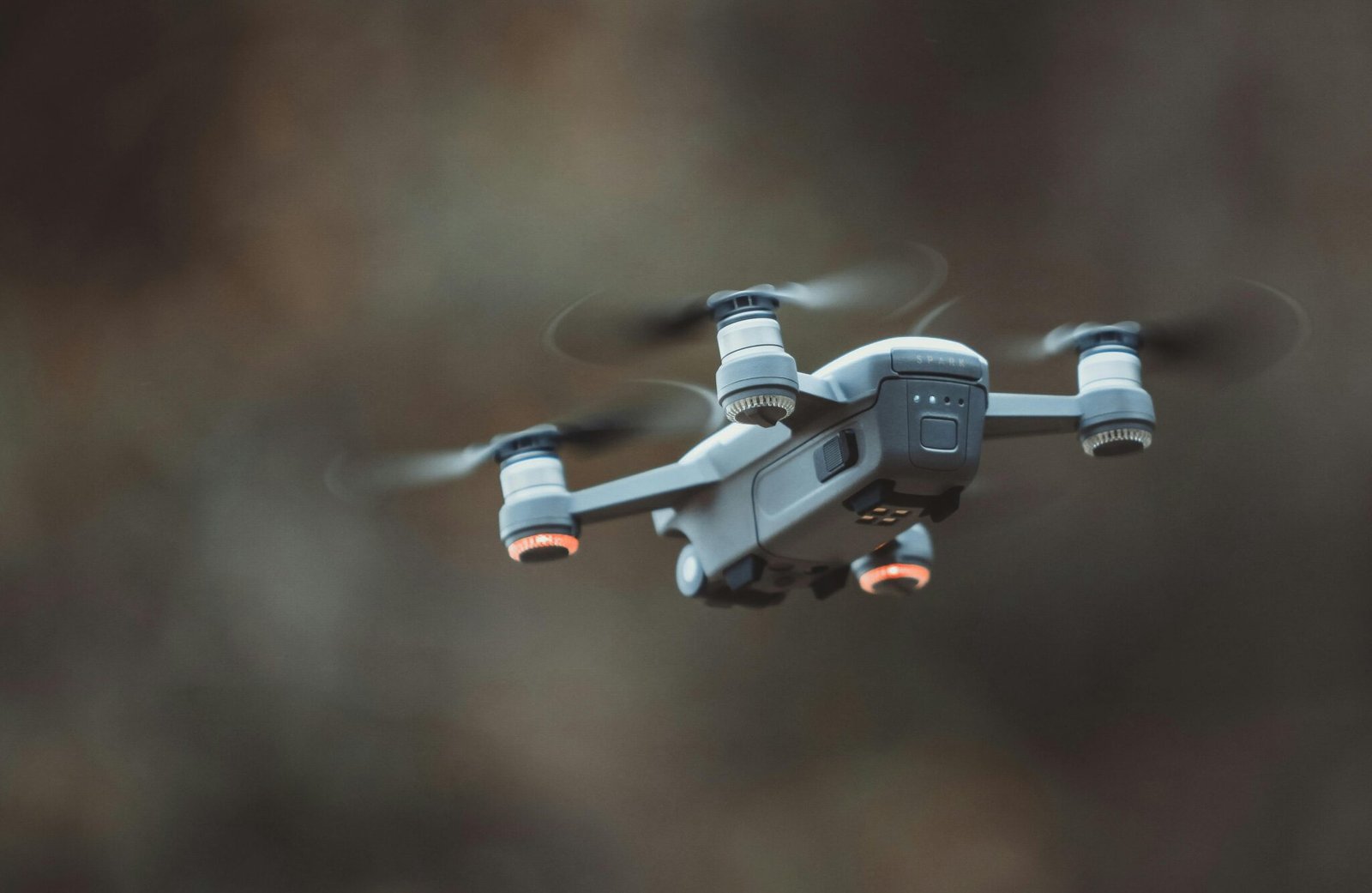




Across a clear blue sky, a quiet revolution is unfolding in drone technology that promises to reshape how aerial work gets done. This week an interesting development is pushing autonomous systems, better batteries, and smarter airspace management from theory into real-world use, with pilots testifying to faster, safer, and more scalable operations. The story is not just about clever gadgets; it is about redefining workflows for logistics, inspection, and public safety.
Recent Trends
- Autonomy accelerates for larger drones
- Airspace integration expands with UTM pilots
- Battery tech boosts endurance and safety
For readers in the drone technology domain, the most striking shift is the rapid maturation of autonomous flight capabilities. Companies are moving beyond line-of-sight tricks to BVLOS operations — that is, beyond visual line of sight — with rigorous sense-and-avoid systems, onboard redundancy, and cloud-connected mission planning. In practice, you can think of it as fleets that think for themselves: a drone that pick and chooses routes in real time to avoid weather pockets and crowded corridors, while keeping compliance front and center.
During the past month, a wave of field tests has highlighted how much the regulatory and commercial landscapes are adapting in tandem. In the United States, agencies are accelerating discussions around UTM — unmanned traffic management — to deconflict drone paths with manned aviation. In Europe, the push toward more predictable BVLOS approvals is spurring service providers and manufacturers to standardize perception systems and data protocols. These moves matter because they lower the barriers for operators who want to scale from handfuls of drones to fleets delivering parts, samples, or emergency supplies across urban terrains.
Battery capacity and chemistry remain a critical bottleneck, but the pace of improvement is accelerating. Solid-state and lithium-sulfur chemistries promise higher energy density with safer, faster charging. Beyond the chemistry, drone designers are embracing modular power architectures and rapid-swapping hubs at distribution centers. The result is not just longer flights, but more predictable performance in heat, cold, and altitude. This is real value for industrial users who need reliable uptime rather than heroic one-off ranges.
Delivery drones, long the poster child of hype, are finally showing practical, repeatable use cases. Zipline and similar operators are expanding beyond single-voxel testing into multi-city pilots that blend medical supply drops with routine logistics. This is not flashy publicity; it is about creating repeatable, cost-effective models that keep deliveries on time and under regulatory radar. The implications ripple through warehousing, last-mile services, and even rural healthcare provision, painting a clearer picture of the near-term business case for drone-enabled logistics.
From the policy side, updates are nudging the industry toward common-sense operational rules that protect people while enabling growth. Regulatory updates are focusing on safer remote identification, more robust geofencing, and clearer pathways for certification and operator training. For operators and manufacturers, the message is simple: build with safety and interoperability as core design principles, and the market will respond with faster approvals and broader deployment. This combo of tech and policy is what turns prototypes into practical tools in daily workflows.
For defense and civil aviation planners, the message was unmistakable: drones are not a niche issue but a software and systems problem that intersects with airspace efficiency, urban design, and critical infrastructure. The most valuable takeaway for readers is that the drone technology stack — from sensors to navigation to cloud-based mission orchestration — is now integrated enough to support serious scale, while still requiring disciplined risk management and ongoing standardization. This is the moment when drone technology truly steps from curiosity to core capability for multiple industries.
This week an interesting development is shaping the drone technology conversation: operators who pair autonomous flight with resilient, high-capacity batteries can deliver reliable, high-value services in places previously considered too complex or costly. As daily drone news, today’s briefing points to a future where a single crew can oversee dozens of airframes executing complex tasks with precision. For logistics planners and field engineers, that translates to faster response times, lower per-delivery costs, and greater coverage in remote or congested environments.
In practical terms, the trend toward smarter airspace usage means more shared data, better situational awareness, and a higher floor for safety margins. Users should look for platforms that emphasize open data standards, transparent performance metrics, and verifiable safety records. The market is coalescing around a framework where autonomy, endurance, and smart regulatory compliance go hand in hand — not as separate feats but as a single, integrated capability that defines modern drone technology.
Overall, today’s developments underscore a broad shift: drones are transitioning from gadget status to essential tools across industries. Early adopters will benefit from a clearer roadmap, with more predictable costs and higher service levels. This is exactly the kind of momentum that invites new use cases and business models — from on-demand inspection to rapid medical supply chains — and it sets the stage for even bolder experiments in the months ahead. For readers following drone technology, the takeaway is clear: the next wave of growth will come from interoperability, safety-centric design, and scalable autonomy — a combination that turns ambitious pilots into everyday operations.
Conclusion
Summary: Autonomous flight is maturing, battery improvements extend endurance, and regulatory progress is enabling safer BVLOS work. These shifts turn drones from demonstration projects into scalable tools for logistics, inspection, and emergency response. Why it matters: the industry gains a faster path to market, lower operating costs, and safer skies through smarter airspace management. Takeaway: operators should invest in interoperable systems and safety-first architectures, and policymakers should continue simplifying approvals while raising the bar for data transparency. Looking ahead, the fusion of autonomy, battery capacity, and regulation will unlock new business models and broaden the practical footprint of drone technology across sectors.

















