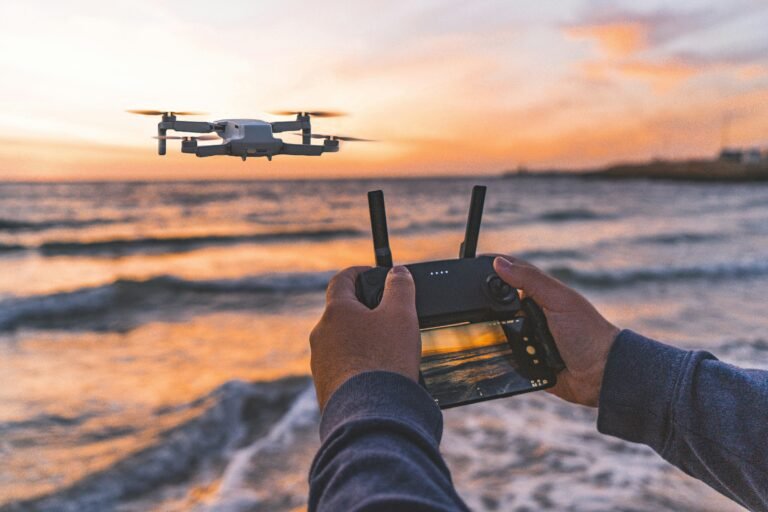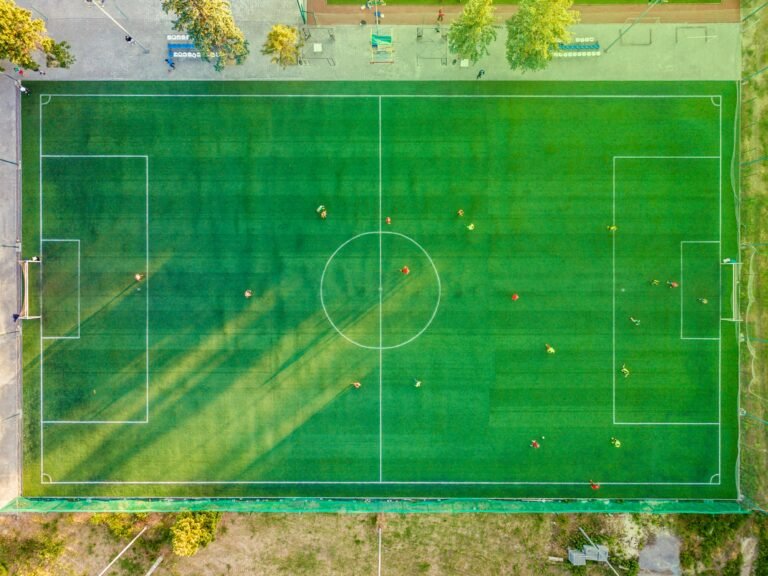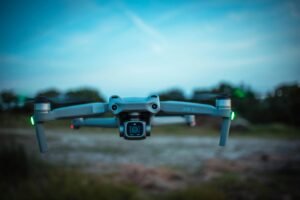



Speed and precision are reshaping security; drones have moved from novelty to indispensable force multipliers for operators on the ground. Across borders and battlefields, unmanned aircraft now help soldiers, police, and first responders make faster, safer decisions. The result is a redefined relationship between humans and machines in high-stakes environments.
Recent Trends
- Autonomous ISR adoption rising
- Policy focus on civilian-military use
- Rugged, tactical drone platforms
In practice, this shift means drones are doing more than watchful eyes. They are delivering real-time situational awareness, transporting small payloads, and enabling rapid medical evacuation in hostile zones. In recent months, defense contractors and government agencies have accelerated pilots programs to test autonomous routing, swarming tactics, and onboard data processing that reduces the load on humans.
According to The Jerusalem Post, the conversation around drones now includes not just automation but human-robot collaboration. The article frames drones as an extension of human decision making, expanding capability rather than simply replacing labor. That perspective matters for policymakers and buyers who worry about jobs, safety, and accountability.
One clear trend is the push toward autonomous surveillance and ISR roles. Systems are being designed to fly longer, sense more, and share data with ground teams and command posts in near real time. Companies such as Israel Aerospace Industries and Elbit Systems are cited as exemplars of this shift, offering integrated platforms that combine sensors, secure comms, and rugged airframes for border protection and urban security missions. In the United States, the Army’s push for lighter, more versatile drone kits mirrors similar objectives in Europe and Asia.
Beyond that, the market is responding to the need for cyber-resilient operations and smarter data fusion. Ground teams want drones that can stay coordinated in contested airspace, while regulators push for safer BVLOS flights and clearer operator responsibilities. The Jerusalem Post’s reporting underscores that these changes are not just technical upgrades; they reflect a broader shift in doctrine and procurement.
Industry implications
The rise of defense drones changes how missions are planned and executed. Operators must balance speed with safety, integration with manned units, and robust data-management practices. As a result, buyers increasingly demand platforms with edge computing, encrypted comms, and modular payloads so a single drone can switch from reconnaissance to casualty care or cargo delivery in minutes. This trend also fuels consolidation among defense firms that offer end-to-end solutions rather than stand-alone components.
Autonomous surveillance on the frontier
Autonomy is moving from a lab concept to field reality. Swarm tactics, persistent patrols, and onboard AI enable drones to cover large areas with minimal human input. A typical use case is an ISR-focused system that streams thermal imaging, high-resolution video, and geospatial data to a ground station while a larger platform provides overwatch and early warning. In civilian settings, autonomous surveillance can assist disaster response, border management, and critical infrastructure protection.
Policy, regulation, and risk
Regulators face a dual task: unlock beneficial uses while guarding against risks. Expect more explicit BVLOS (beyond visual line of sight) rules, licensing requirements for autonomous flight, and tighter controls on data collected by drones. For operators, this means investing in secure communications, risk assessments, and clear demarcations of responsibility in joint missions with law enforcement or the military.
Practical takeaways for operators
First, select platforms that fit mission needs and environments. For border security, opt for rugged bodies with secure links and robust sensors. For urban search and rescue, payload versatility and precise navigation in GPS-denied areas matter. Training remains critical: simulate mixed-meta missions with manned assets to boost coordination and safety. Finally, stay abreast of regulatory changes around BVLOS and remote operations to avoid costly delays.
Conclusion
As the field evolves, drones are redefining what is possible in security and defense without replacing human judgment. They amplify decision speed, expand data access, and enable more precise actions in complex environments. For defense planners, the message is clear: invest in capable, well-regulated drone systems that complement and extend human expertise.