


Drones Enter Private Retail Security
Retail has a new tool in its fight to deter theft and protect assets: drones deployed by private security firms. Flock Safety, a surveillance technology provider already partnered with many police departments, announced that its drone fleet is now available to private security companies. The move signals a broader push to bring cloud-connected cameras, thermal imaging, and autonomous flight into commercial spaces such as warehouses, malls, and distribution hubs. For store operators, the promise is speed and scale: rapid aerial presence can deter loitering, monitor large footprints, and shorten response times during incidents. This is not just a gimmick; it embodies a wider shift in how retailers think about security in an era of staffing constraints and rising costs.
Recent Trends
- Private sector drones move into retail security
- Privacy protections and data governance get tighter
- Retail and security firms explore rapid response drone use
What the technology does
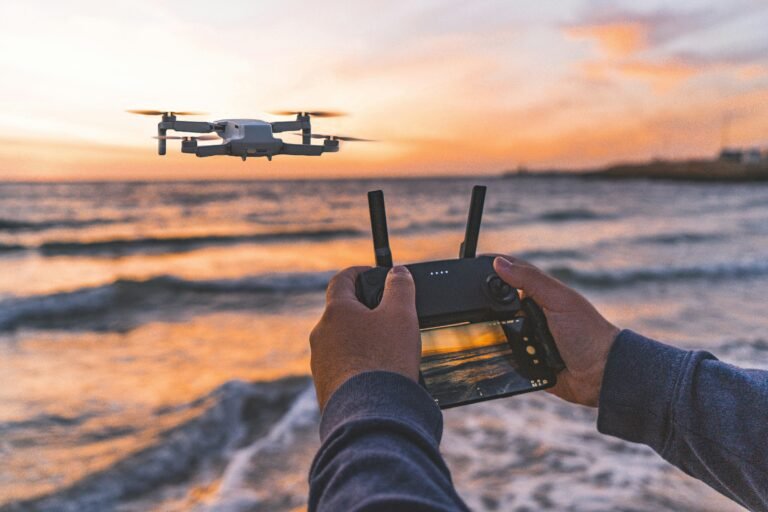
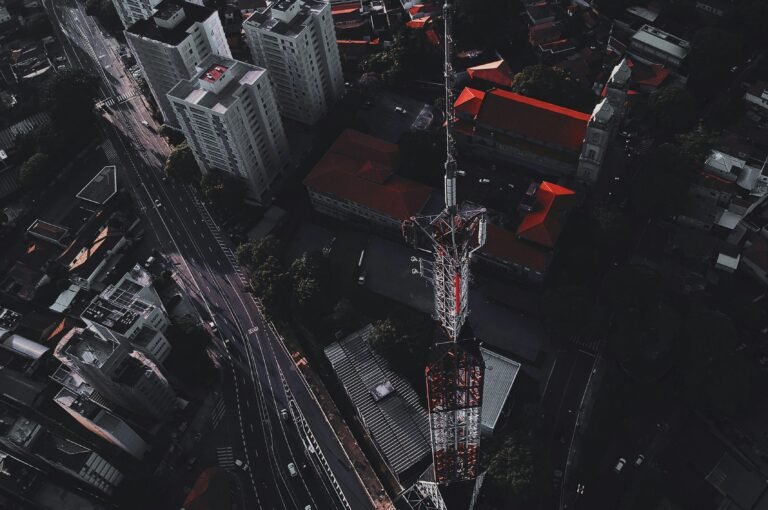
At the core, the drones are designed to be docked on rooftops and activated when store personnel identify a potential incident. Each drone can cover roughly a 3.5-mile radius and offers flight times of up to 45 minutes, providing a rapid aerial view of the scene. Equipped with video and thermal cameras, the drone can follow suspects as they move through parking lots or neighboring streets, with feeds transmitted to a retailer’s security team and, when appropriate, to local law enforcement. Flock Safety has already deployed the technology in various contexts, and the company notes that its existing installations include license plate readers that have helped locate suspects and missing persons in other settings. For retailers, the combinaton of real-time video plus thermal insight can be a powerful deterrent and a source of evidence after an incident.
From a tech perspective, the system mirrors a growing trend in the industry toward autonomous, edge-enabled security. Operators can program geofenced zones, set alert thresholds for different times of day, and push feeds to handheld devices or centralized control rooms. For readers unfamiliar with the term, a license plate reader is a camera-based device that captures vehicle identifiers to aid in investigations. In the hands of private security, these tools are meant to synchronize with existing alarm systems, access control, and incident reporting platforms. The technology is not about replacing humans; it is about augmenting human responders with continuous situational awareness a trained team can interpret quickly.
Privacy, policy, and ROI considerations
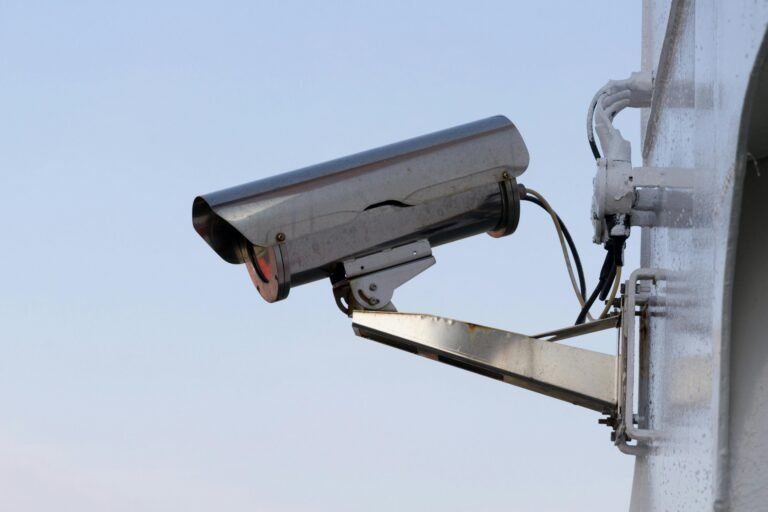
The expansion of drone-enabled security raises meaningful questions about privacy and governance. Privacy advocates argue that as drones become commonplace in retail spaces, there is a risk of expanding surveillance beyond the storefront into public life, potentially normalizing constant monitoring. The debate echoes broader concerns about surveillance technology and the balance between deterrence and civil liberties. As one observer noted, it is essential to implement privacy guardrails that regulate when and where drones can operate and how video and sensor data are stored and used. The takeaway for security leads is practical: establish clear data retention policies, define access rights, and ensure that drone use is proportionate to the risk.
Policy developments matter here. The Evanston, Illinois, case where the city ordered the removal of license plate readers after revelations about data sharing with federal agencies illustrates the friction between security enhancements and privacy protections. Congressional inquiries into Flock Safety have underscored the sensitivity around private firms enabling invasive surveillance practices. For businesses, the question is not only about capability but about governance. Retailers must weigh the cost of a potential data breach or misuse against the ROI of faster detections and reduced shrinkage. In this context, privacy concerns are not merely regulatory hurdles; they are data hygiene practices that can determine a program’s long-term viability.
From a market perspective, retail shrinkage has historically driven security investments, and drones are positioned to accelerate that dynamic if the economics pencil out. Yet the data shows a complex picture: claims of a dramatic increase in shoplifting have been contested, and retailers must be careful not to justify drone deployments on overstated statistics. What remains clear is that the security industry is experimenting with a broader portfolio of tools, including drones, to complement human patrols and ground-based cameras. Retailers considering this technology should pilot on a controlled basis, measure outcomes, and build a framework for privacy and data governance that can scale across locations. For readers in the drone field, the message is instructive: a smart system paired with rigorous policy controls can be a credible path to safer facilities without sacrificing public trust.
For security teams and executives, the central question is whether rapid aerial response translates into meaningful shrinkage reductions and faster incident resolution. The answer depends on how well the program is integrated with human operators, how data is managed, and how regulators respond to evolving practices. As the industry sharpens its approach, the next phase will likely emphasize interoperability with other security layers, clearer contractual terms with vendors, and stronger accountability mechanisms. For defense planners and corporate security leaders alike, the takeaway is simple: technology can augment protection, but governance defines its legitimacy and longevity. This is where the industry must demonstrate not just capability but also responsibility.
Conclusion
Private sector drones entering retail security mark a notable shift in how stores defend assets, deter theft, and respond to incidents. The technological benefits—speed, coverage, and enhanced visibility—are appealing, but they come with heightened privacy considerations and regulatory scrutiny. Retailers and drone providers alike will need to navigate governance, data handling, and community trust as they explore this new security paradigm. In the broader market, the move signals a trend toward more autonomous, integrated security ecosystems that blend human judgment with advanced sensing and data analytics. The outcome will hinge on transparent policies, robust privacy protections, and demonstrable improvements in safety and operations. For readers and practitioners, the era of retail drone security is underway, and its trajectory will reveal how far the industry can push innovation while preserving civil liberties.