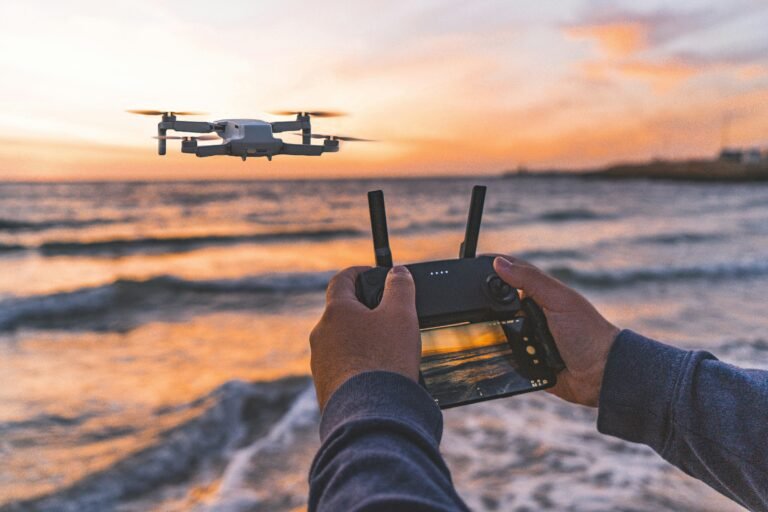
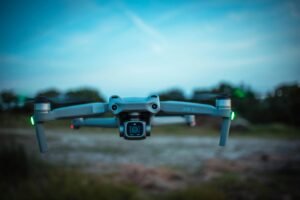



Autonomy is moving from novelty to necessity in the drone world. This week an interesting development is a consortium announcing a shared API for UTM data across vendors, aimed at easing the passage of ai piloted drones through busy airspace while keeping safety margins intact. For operators, this shift promises faster turnarounds on routine inspections and more reliable deliveries in constrained environments. As the capabilities of ai piloted drones mature, fleets can navigate complex routes with less human input, boosting productivity across utilities, construction, and logistics.
Recent Trends
- AI autonomy expands commercial capabilities
- UTM data sharing accelerates safe operations
- Payload optimization grows in inspections
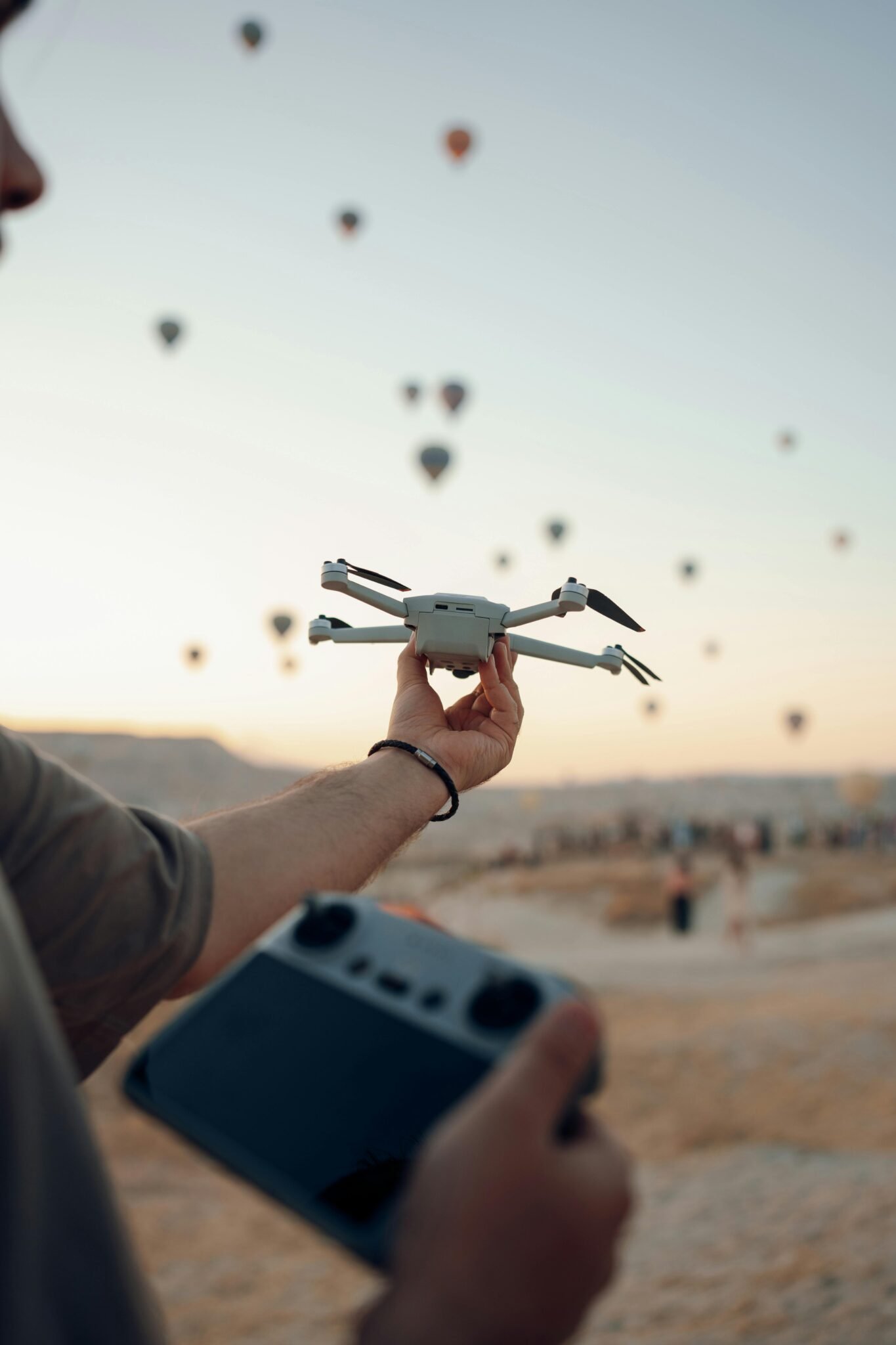
ai piloted drones rely on onboard machine learning, real time sensing, and advanced planning to decide where to go and what to avoid. The result is a system that can adapt missions on the fly, reroute around wind shifts, and reduce idle time in the air. For many operators, that means less tether to a remote pilot and more consistent outcomes in data collection, mapping, or delivery tasks. However, ai piloted drones still need solid ground rules, clear accountability, and interpretable decisions for regulatory audits.
Unmanned traffic management remains the backbone of safe expansion. The latest push to share airspace data across vendors aims to reduce conflicts, predictable separations, and smoother handoffs between ground crews and pilots. This is not just a tech update; it is a policy and standards moment that could reshape how drone services scale in city centers and industrial zones.
Drone safety standards continue to tighten as more businesses deploy ai powered systems for critical tasks. Regulators and industry groups are calling for consistent testing, failure mode transparency, and standardized data interfaces that make it easier to verify performance. The goal is to keep the burden on operators manageable while ensuring the public is protected from unexpected behavior in mixed airspace.
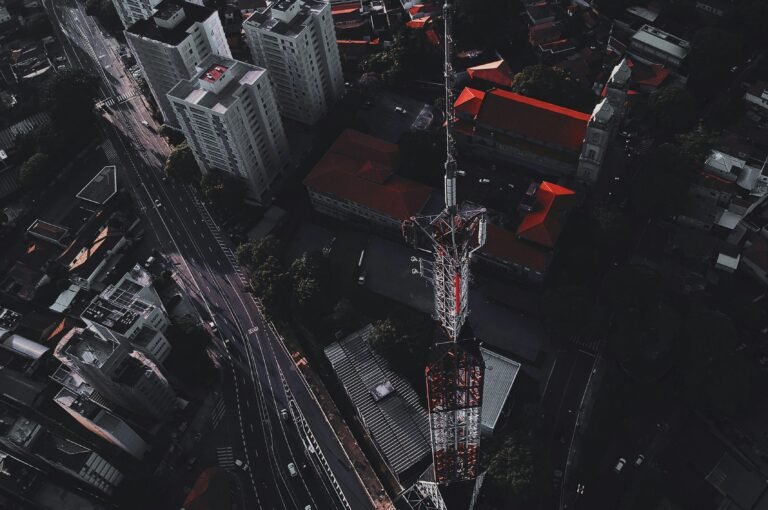
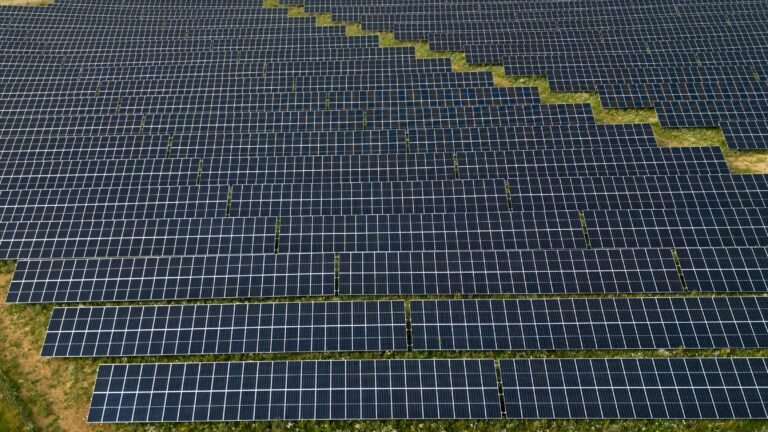
In practical terms, payload optimization is becoming a distinguishing capability. Cameras with higher dynamic range, multispectral sensors, and compact pumps for cooling are common in industrial inspection and emergency response scenarios. When paired with autonomous flight, these payloads unlock faster surveys of wind farms, rail corridors, and telecom towers without sacrificing accuracy. A real world example is the growing use of ai piloted drones for routine asset logging where timing matters and human flight time is precious.
Operational Implications for the Market
For operators, the combination of ai piloted drones and stronger UTM frameworks translates into lower operating costs and higher flight cadence. Companies that invest in onboard compute, diverse sensor suites, and robust data pipelines will outpace peers in inspection, mapping, and delivery services. Partnerships between drone manufacturers and airspace providers are moving from rumor to routine, signaling a more integrated ecosystem where ai piloted drones can safely execute more complex tasks with less manual input. In the near term, the most impactful gains will come from standardized interfaces that let a single mission plan be executed across multiple platforms, reducing training and procurement friction for enterprises.
Looking ahead, the market will reward players who can demonstrate reliable autopilot behavior in diverse weather and in dense urban canyons, where the thin margin for error is costly and public trust matters more than ever.