
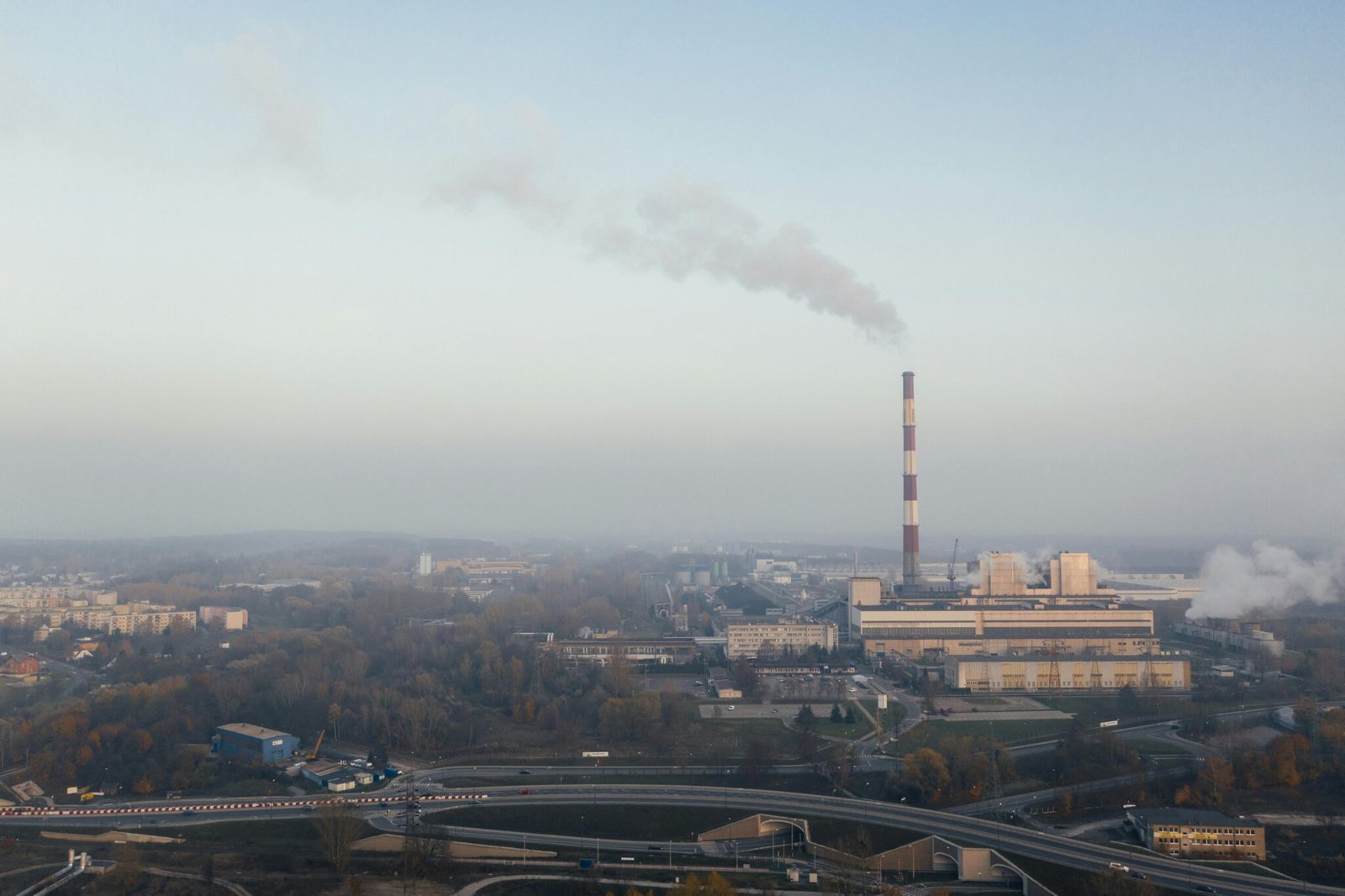




Refinery Drone Strikes Deepen Russia Fuel Crisis
As winter looms, Russia faces a widening gasoline shortage driven by a wave of refinery drone strikes on key facilities. Outlying regions and occupied Crimea have felt the impact first, with queues at pumps, rising prices, and rationing becoming more common across the country.
Recent Trends
- Drone strikes expand to more refineries and oil infrastructure
- Fuel shortages trigger queues and price volatility across regions
- Ukraine’s campaign continues to pressure Russia’s energy sector
Beyond this immediate disruption, the refinery drone strikes threaten Russia’s broader energy picture. If refinery capacity remains offline for extended periods, crude production may need to be cut or storage constraints will force more aggressive maintenance shutdowns. For readers watching energy markets, the implication is straightforward: disruptions at processing plants ripple through fuel availability and prices long after the initial attack.
Analysts say the problem is multiplying: the refinery drone strikes now stretch from Crimea into the mainland, and several facilities report outages while local stations limit sales. The situation is complicated by limited storage infrastructure and the need to move crude to other facilities as needed. The pattern is shaping a narrative in which a military conflict translates directly into civilian hardship at the pump.
According to Forbes, David Hambling’s reporting shows the crisis spreading, with some refineries reporting outages and regional stations restricting sales as winter approaches. The numbers vary by region, but the core dynamic is clear: supply friction is becoming a daily fact of life for Russian motorists, even as state authorities try to project calm and deny broader shortages.
From defense and policy perspectives, refinery drone strikes expose weaknesses in how Russia defends its energy sector. Some observers note disconnects between national air defenses, regional authorities, and refinery operators, complicating rapid responses. For readers watching energy markets, the message is simple: interrupting processing capacity creates price volatility, even if crude exports remain resilient in the near term.
Meanwhile, Ukraine continues to strike pipelines and port facilities, further squeezing refinery throughput and forcing power generation to shift to coal in some regions. The broader strategic implication is that energy infrastructure sits at the center of the war, and the drone campaign is reshaping how both sides think about risk and resilience.
Market and Policy Implications
Energy security takes center stage
Policy makers and industry leaders are recalibrating risk assessments around fuel supply. The core lesson is that redundancy at the refinery level, faster repair teams, and increased stock buffers can blunt the impact of a sustained attack on processing capacity. The discussion is moving toward diversified supply chains, cross-border fuel flows, and accelerated adoption of alternative fuels to mitigate future shocks. The refinery drone strikes underscore that energy security is not just a technical issue, but a strategic imperative for national resilience.
Operational resilience for the drone industry
For drone developers and operators, Russia’s experience highlights the dual-use nature of unmanned systems. Drones drive demand for better air defense integration, hardened infrastructure, and rapid-response logistics. Investors may push for more resilient, modular refinery designs and investment in anti-drone measures to protect critical assets. In the broader market, the trend toward smarter surveillance, rapid damage assessment, and autonomous repair planning could accelerate as operators seek to minimize downtime after an attack.

















