
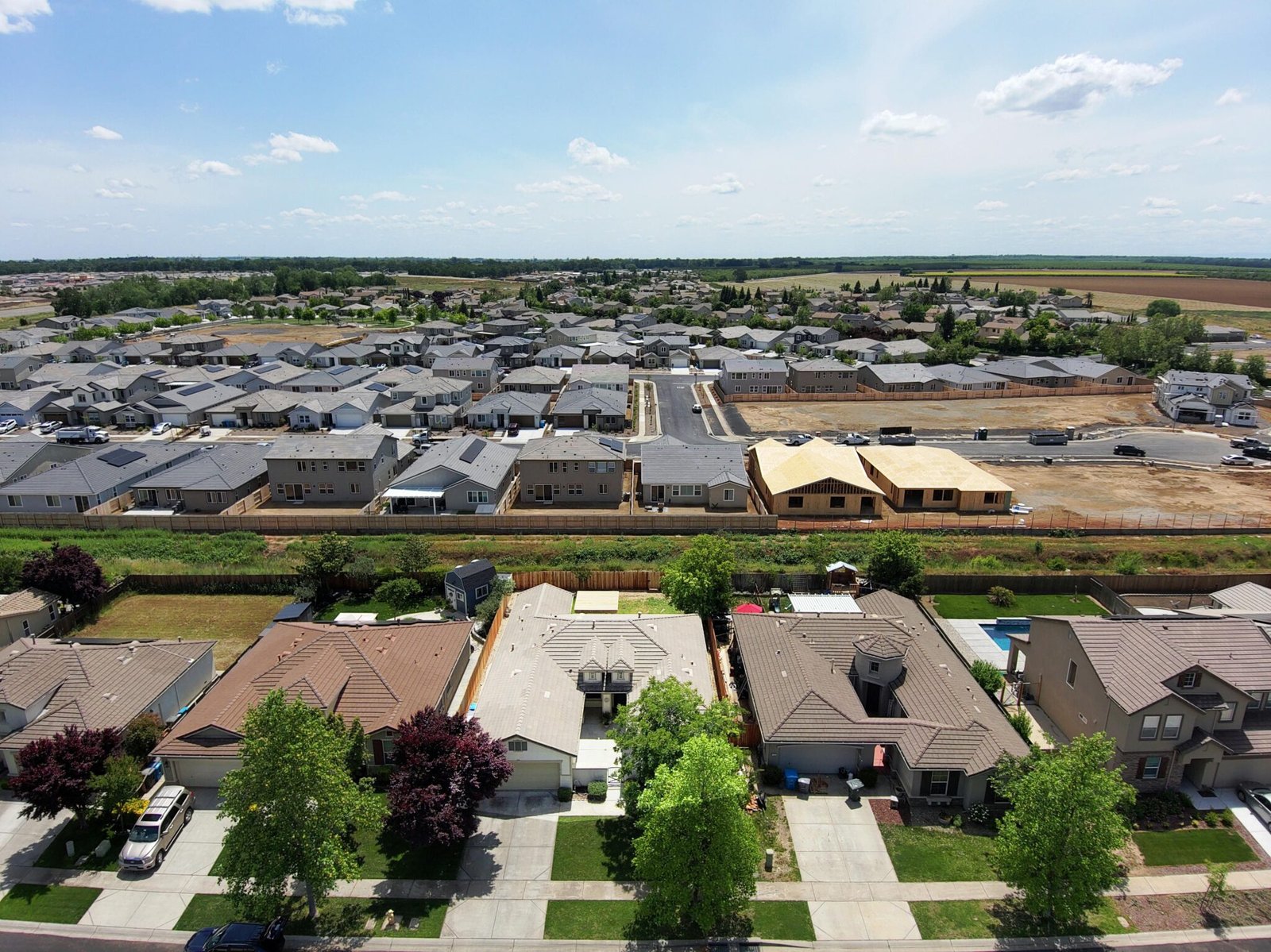




Drone Roof Survey With AI: Smarter Home Inspections
The ceiling stain that sparked a home maintenance saga began as a dull, unassuming mark on the bathroom ceiling. At first I suspected a dry patch or fading paint. But within days the brown blot spread, the paint peeled, and the fear of a hidden roof leak grew sharper. In that moment a modern tool entered the scene: a drone flight paired with an AI-powered report, a combo pitched as a faster, cheaper way to understand what was really going on without inviting every local roofer to the house.
Recent Trends
- Rising use of consumer drone surveys for home maintenance
- AI-generated reports driving cost transparency
- Trust and price dynamics shaping roofing trades
Roofers have long been a touchy topic for homeowners. The one thing you cannot easily inspect is the very roof that keeps you dry, which makes the trade susceptible to price shocks and disputed diagnoses. The Times cites data from Checkatrade showing roofers were the least trustworthy trade in home improvement, with about 16% rejected from membership in the third quarter of 2024. That context helps explain why a drone roof survey might feel like a practical escape route from conflicting opinions and inflated invoices.
Following the scare of two very different roofer opinions, we ordered a newly developed drone roof survey for £99 plus VAT. The aim was clear: a forensic, MOT-style report that used high‑resolution photos and AI to identify what is actually wrong, what to watch, and what to fix. Checkatrade describes this approach as a pivotal, technology-driven solution developed by Checkatrade Labs, the company’s technology incubator. The price point was eye catching, and the promise of an objective, data-driven snapshot was even more appealing for a skeptical homeowner in a tense market for repairs.
What arrived three days later was both revealing and unsettling. The report opened with a multicolored speedometer that labeled the situation as red — POOR — and included an aerial map showing the house and nearby property (the survey is strictly scoped to the homeowner’s dwelling). It cataloged multiple issues from moss and debris to missing chimney caps and cracked tiles. There were urgent items and numerous moderate findings across different roof zones. The report also flagged a clogged gutter and loosely draped telecom cables as problems worth watching. In short, the document looked thorough and dramatic, delivered with clear images and a timeline for what to fix first.
The experience shows how a drone roof survey can translate a complicated problem into a visual, actionable list. Palaniappan, Checkatrade’s CEO, emphasizes that the survey is designed to provide a clear map of faults and preventative maintenance opportunities. He notes that drone surveys can reduce inspection costs by up to 75 percent compared with traditional manual checks, a figure that makes early maintenance seem financially feasible for many households. For a homeowner, this means a window into issues that would otherwise be obscured by scaffolding and suspenseful invoices, all wrapped in a neat, reportable package.
But the report also underscores a critical limitation. While the drone survey excels at external inspection, it cannot diagnose internal or structural issues behind the roof lining, nor can it reveal hidden defects in the loft or insulation. In other words, a drone report can show what is visible from the outside, but it cannot confirm the root cause of an interior leak. Palaniappan stresses this point: the external survey is powerful for preventative maintenance, yet it is not a substitute for a physical, internal inspection when diagnosing leaks. For homeowners, that distinction matters: the AI-enhanced images and notes help prioritize work, not guarantee a leak’s source.
So what does a drone roof survey actually mean for a homeowner facing a dripping ceiling and a tight budget? It’s a tool that improves visibility, accelerates decision making, and provides an objective benchmark before committing to costly repairs or multiple contractor opinions. The real value lies in using the drone report as part of a broader due‑diligence process — one that combines external data with in-person assessments and insurer guidance. The lessons here are practical as well as strategic. For families with children and mortgages, time and money saved early on can shape the entire repair trajectory. It also highlights a broader shift in consumer home maintenance: tech-enabled decision aids that democratize access to professional-grade insights without the high cost of a full inspection bandwagon.
For readers, the takeaway is simple: drone surveys and AI analyses should be viewed as one tool in the toolbox, not a final diagnosis. They can flag urgent exterior issues and help you prioritize, but they do not replace on‑site evaluations when the roof matter is interior or structural.
In a market where homeowners increasingly demand transparency, this technology offers a path to better information without surrendering control to the trades. The question now is how insurers, builders, and policymakers will respond to the rise of consumer drone reports. Will insurers require independent in-person checks before approving major repairs, or will AI-assisted external surveys become a standard first step in the home maintenance process? The industry will likely test different models as demand grows and homeowners seek clarity without the fear of surprise costs.
Conclusion
AI-powered drone roof surveys are changing how homeowners approach home maintenance. They provide rapid, visual insight and a cost-effective way to flag external problems before they escalate. Yet they are not a substitute for professional, in-person assessments when leaks or interior conditions are at stake. The future of roof diagnostics will likely blend drone data, AI interpretation, and traditional inspections into a layered approach that improves accuracy and steadies costs for everyday homeowners.

















