
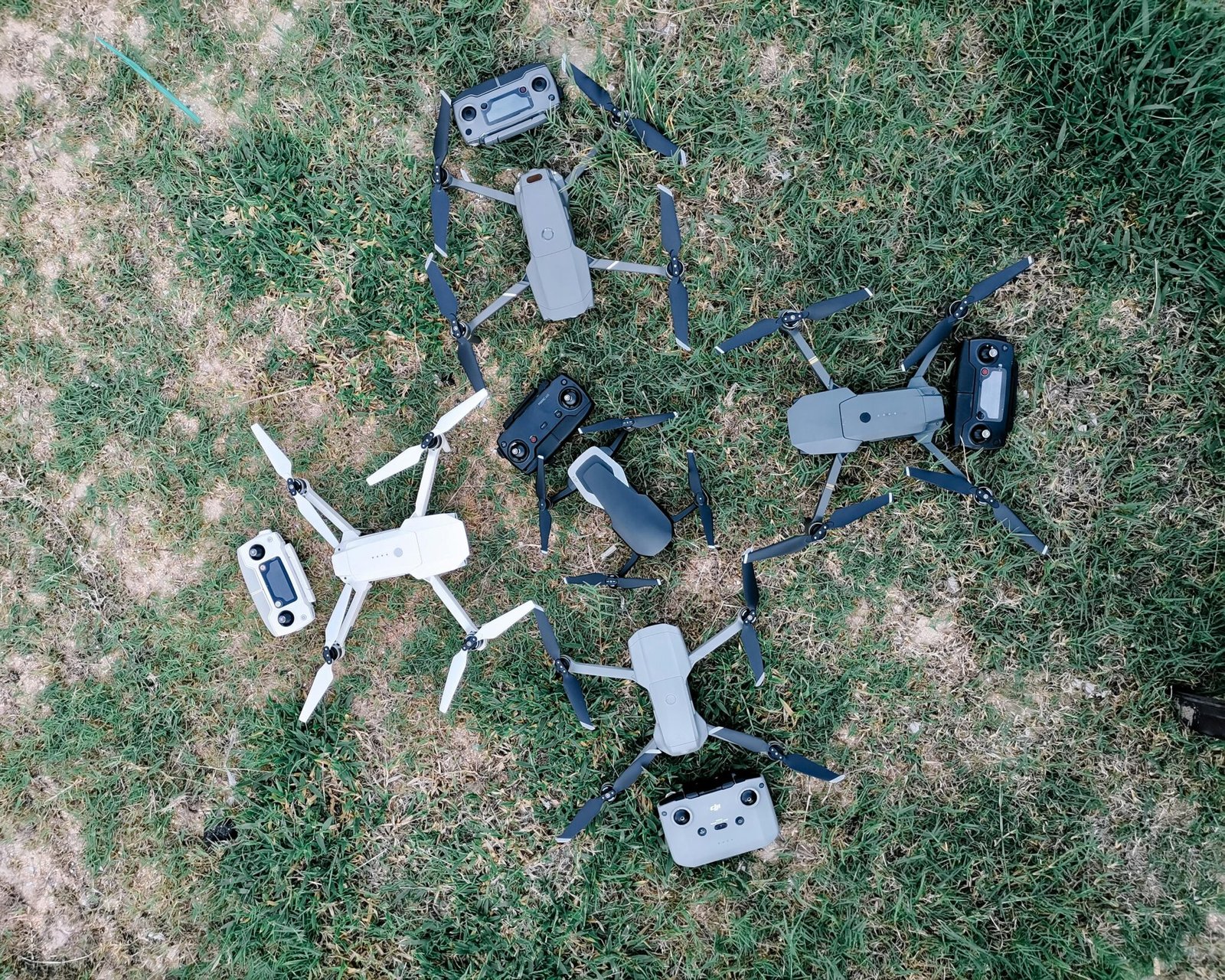




Drone policy updates are accelerating as regulators respond to a fast-evolving market. Across continents, governments are balancing safety, privacy, and the promise of cheaper, faster services from unmanned aircraft. Today’s drone news shows how quickly rulemaking is catching up with the commercial drive to use UAVs for delivery, inspection, and emergency response. In this context, the cadence of policy announcements matters as much as a single product reveal. This is a daily briefing on the state of the industry.
Recent Trends
- BVLOS waivers expand for logistics and utility work
- EU drone rules harmonization progresses with cross-border pilots
- Remote ID adoption and UTM alignment rise in safety and compliance
This week an interesting development is the push toward more BVLOS operations, a shift that could unlock long-range inspections of rail lines, pipelines, and wind farms. In the United States, regulators are piloting UAS Traffic Management (UTM) concepts to deconflict growing numbers of drones with other airspace users. In Europe, EASA is moving toward a unified set of safety standards and operating rules designed to simplify licenses and cross-border missions. For the drone policy updates unfolding today, the practical effect is a clearer path for industrial applications and a sharper demarcation between hobbyist and commercial flight. This is the kind of momentum that converts pilots into operators and sensors into scalable services.
Global regulatory momentum
Policy makers are testing how autonomous flight can fit within existing airspace without compromising safety. The FAA’s ongoing UTM experiments and the push for more flexible remote identification are visible signals that regulators want to encourage new business models while keeping risk in check. At the same time, European authorities are aligning national rules under a shared framework so a drone operator in Berlin can plan a route through Paris or Amsterdam with predictable requirements. This alignment matters for drone policy updates because it reduces friction for multinational deployments and accelerates investment in infrastructure such as ground control stations and data platforms.
Industrial impact and opportunities
Operators now glimpse a wider, more reliable market in logistics, infrastructure inspection, and public safety. Startups and incumbents alike are racing to blend high-end sensors with smart flight planning and edge AI to deliver faster, safer services. The result is more end-to-end drone solutions for agriculture, construction, utilities, and disaster response. For readers, the takeaway is practical: invest in BVLOS readiness, build robust data governance, and partner with providers who can demonstrate compliant operations at scale. Policy clarity plus commercial demand is the formula for growth in the drone sector, and that is precisely what today’s drone policy updates are signaling.
Conclusion
Regulatory clarity is expanding at a pace that matches the market’s appetite for longer, safer flights. Industry players are turning policy wins into real services, while airspace managers and manufacturers collaborate to integrate drones more deeply into the fabric of daily operations. The next frontier will hinge on seamless coordination with air traffic management and stronger data standards, enabling operators to scale responsibly. The takeaway for practitioners is clear: track regulatory shifts, invest in BVLOS capabilities, and align safety and privacy practices with growing demand. The road ahead is not just about flying more; it is about flying smarter, safer, and more deployable than ever.

















