
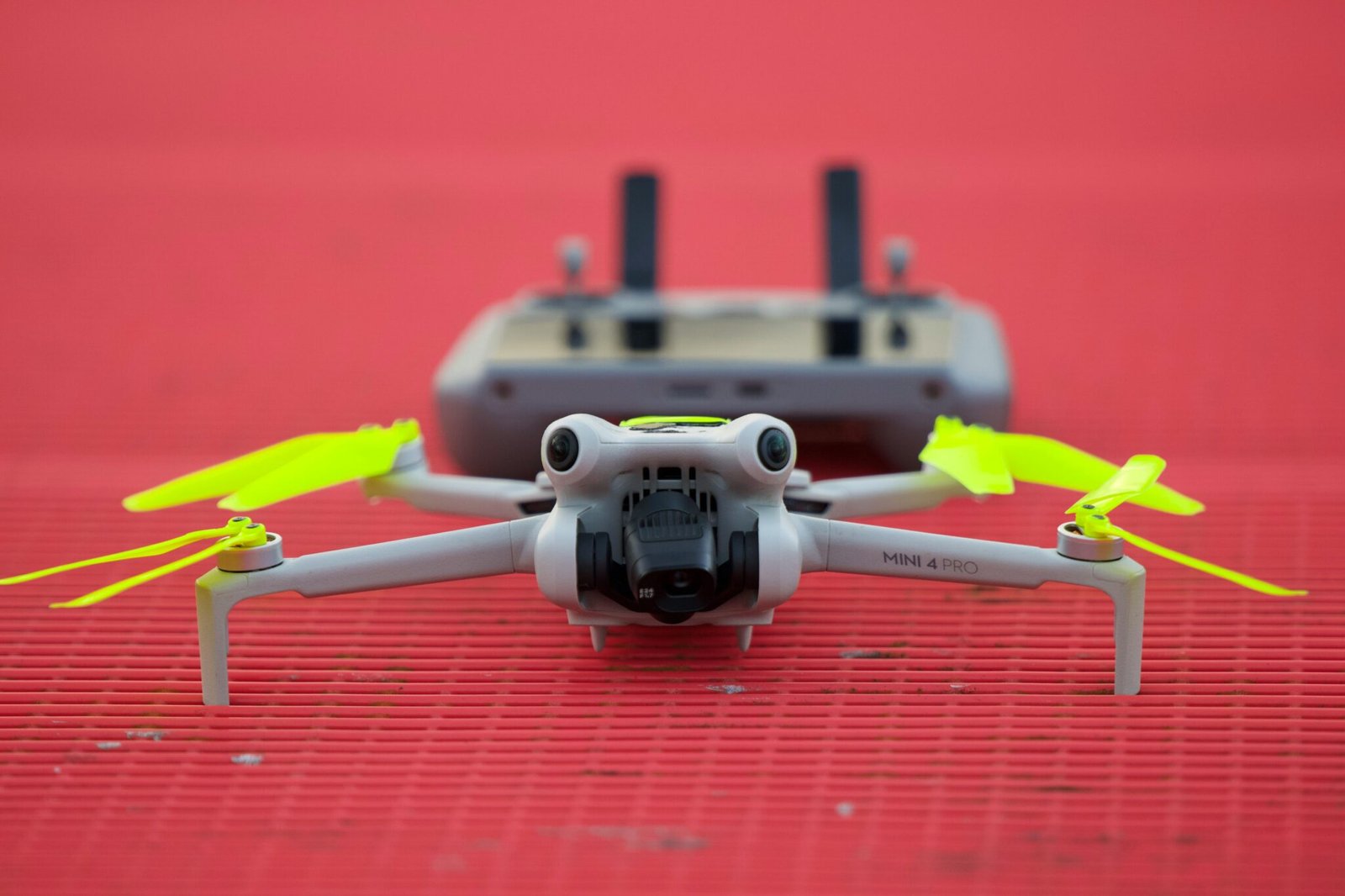




In cities, fields, and newly cleared corridors, a wave of drone activity reshapes everyday life this week. Regulators, operators, and engineers are threading together rules, platforms, and sensors to push safety and efficiency forward. The most striking trend is not a single breakthrough but a pattern: automation, safer airspace integration, and faster access to critical services.
Recent Trends
- Harmonization efforts accelerate across US and Europe
- AI-powered autonomy gains win wider operator acceptance
- Remote ID and safety standards drive new business models
This week an interesting development is the push to align airspace rules so autonomous drones can operate with minimal manual oversight in urban corridors. The pace of policy updates has quickened, coinciding with new test programs from major operators and manufacturers. For operators, the right combination of clear rules and robust tech is the difference between hesitation and rapid scale.
According to industry observers, the week featured meaningful signals from regulators and industry groups that could reduce flight approvals friction. In the United States, the Federal Aviation Administration outlined steps to accelerate approval for routine BVLOS flights with defined safety cases, while in Europe, EASA highlighted interoperability paths for U-space to support city-scale operations. Canada and parts of Asia also signaled faster permitting for drone delivery pilots under new safety frameworks. These moves matter because it lowers the cost of entry and reduces regulatory risk for new entrants, encouraging more players to test and deploy drone-based services such as last-mile delivery, agricultural spraying, and emergency response.
Policy and Regulation Shaping the Week
For operators, the practical upshot is a clearer path to scale. The FAA’s updates on remote identification and flight-rule clarity reduce the guesswork for commercial operators who want to expand their flight hours in urban and suburban areas. In Europe, industry groups welcomed a roadmap toward harmonized U-space services, which could enable cross-border missions and easier fleet management for multinational operators. This alignment matters because it lowers the cost of entry and reduces regulatory risk for new entrants, encouraging more players to test and deploy drone-based services such as last-mile delivery, agricultural spraying, and emergency response. This section draws on recent FAA/EASA briefings and regional press coverage to illustrate how policy ripples into practice.
Autonomy, Sensing, and Safety in Practice
Beyond policy, the technology is catching up with demand. Companies such as Zipline are expanding autonomous logistics networks in Africa and Asia, using AI-driven routing and conventional sense-and-avoid sensors to manage complex airspace. Zipline’s system demonstrates how reliability and speed can coexist in challenging environments, with a drone fleet delivering essential medicines to remote clinics under tight regulatory oversight. In North America, enterprise drones from DJI and Skydio showcased enhanced collision-avoidance and AI-based flight planning that reduces pilot workload and increases mission uptime. For new operators, the takeaway is simple: safer, smarter drones unlock more business cases, from industrial inspections to critical infrastructure monitoring.
Urban responders and construction projects may soon benefit from rapid deployment of inspection fleets. A notable example is a city-registry pilot in the EU where public service drones conduct bridge inspections during peak traffic windows, illustrating how tighter controls can coexist with high-frequency flights. This is where practical, repeatable safety processes matter most: geofencing, automatic return-to-home, and robust data logging turn ambitious plans into repeatable routines. For defense planners, the message is that civilian drone capabilities are advancing in ways that can inform national security, disaster response, and border situational awareness without heavy cost or risk.
Investors are watching the market closely. While big names continue to pace capital allocation, mid-sized startups focusing on autonomy, perception systems, and battery efficiency are attracting strategic investments. A few rounds this week underscored demand for platforms that can operate with minimal ground support while meeting stringent safety standards. Operators should take note: the bars for entry are rising, but so are the rewards for those who can deliver reliable, scalable drone services.
For operators and policy makers, the question now becomes how quickly standards translate into real-world gains. The logic is straightforward: clearer rules speed approvals; smarter drones cut the cost and risk of operations; and coordinated cross-border airspace management expands the total addressable market. This week’s set of signals suggests a healthy trajectory toward more routine, regulated, and useful drone flights across multiple sectors.
Conclusion
This week’s briefing highlights three throughlines shaping the drone industry: policy momentum that lowers entry barriers and speeds approvals; autonomy and sensing advances that push beyond line-of-sight operations; and a robust push toward safety standards that unlock new business models. Operators who align with evolving rules, invest in AI-driven flight planning and robust sense-and-avoid, and participate in cross-border pilots will find bigger, more reliable markets on the horizon. As regulators and industry players push for interoperability and safety, the most resilient players will build scalable fleets that can perform periodic missions—from medicine delivery to critical infrastructure inspection—more efficiently and with less risk. The takeaway for 2025 is clear: smarter drones, supported by clear rules and strong safety culture, will become the norm rather than the exception, expanding opportunities across civil, commercial, and emergency response domains.

















