
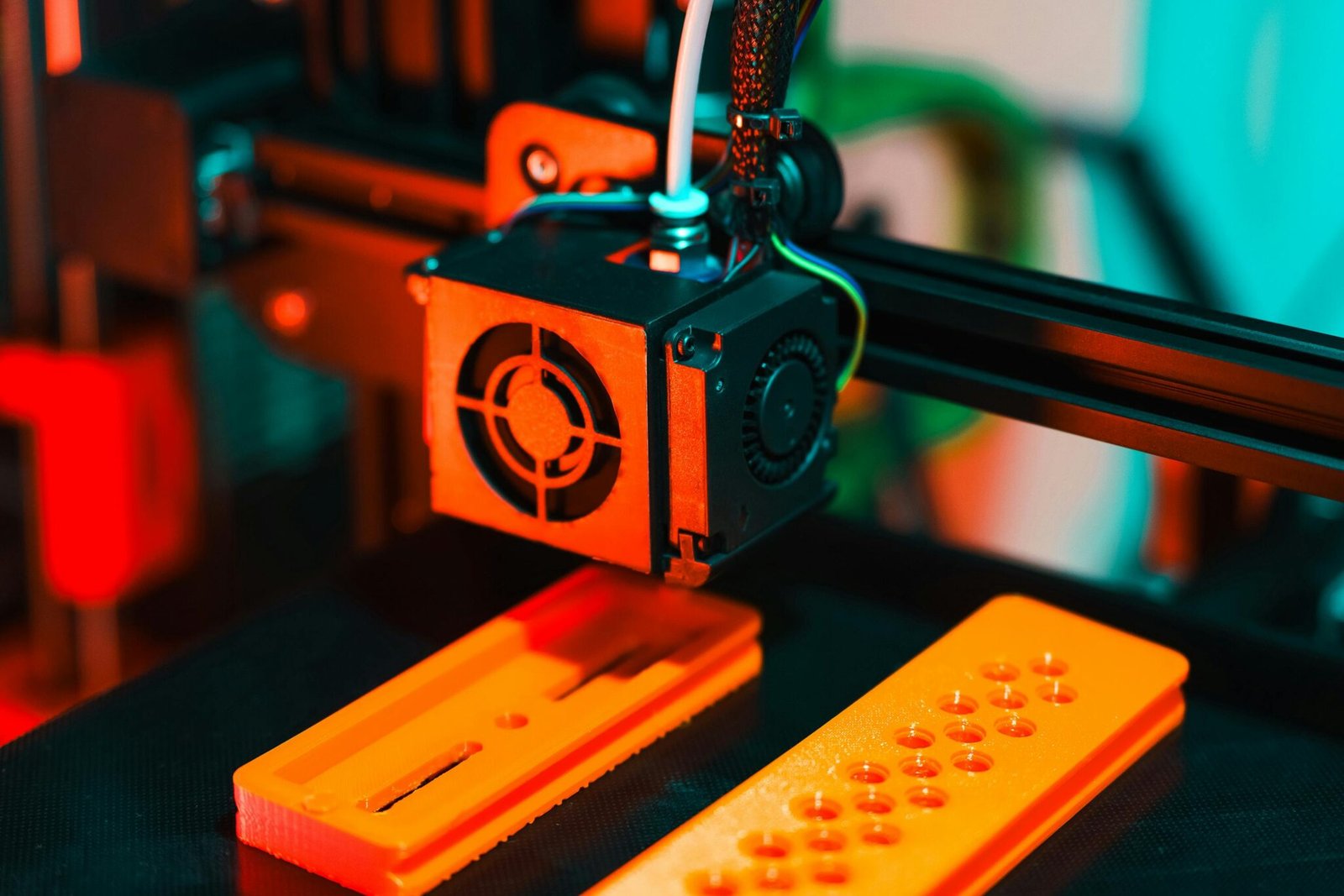




A quiet shift is underway in the drone ecosystem: builders and operators want to design, print, and test parts in-house, fueling a new era of drone 3d printing.
Recent Trends
- Growing use of 3d printing for drone components
- In-house prototyping accelerates product iterations
- Digital fabrication tools expanding to education and public safety
According to GlobeNewswire, via The Manila Times, Drone Nerds LLC, a major U.S. drone distributor and a subsidiary of XTI Aerospace, has formed a technology partnership with Shenzhen Creality 3D Technology Co., bringing Creality’s ecosystem of 3D printers, scanners, and laser engravers into Drone Nerds’ catalog. The collaboration expands both consumer and enterprise offerings and adds Creality’s advanced lineup to Drone Nerds’ portfolio, including the K2 Series, Ender-3 V3 SE, Hi Combo, Falcon A1, and Raptor Pro. This move is framed as a natural extension of Drone Nerds’ mission to empower makers and engineers who want to design, test, and refine parts in-house for drones and related applications.
“3D printing and scanning represent a natural extension of the innovation ecosystem that Drone Nerds supports,” said Alex Nafissy, Co-Founder of Drone Nerds. “Our customers are creators at heart, from drone pilots and DIY hobbyists to engineers and educators. With Creality, they can now turn their ideas into reality faster, smarter, and with increased precision.”
“We are excited to partner with Drone Nerds to bring Creality’s 3D innovation ecosystem to new markets,” added Larry Yee, Chief Strategy Officer, VP of NA Sales at Creality. “Together, we look forward to inspiring creators and industries to embrace the power of digital fabrication.”
Availability is immediate: Creality’s lineup is now available through Drone Nerds’ online store at dronenerds.com/collections/creality, with plans to expand enterprise distribution and educational programs through enterprise.dronenerds.com. The alignment positions Drone Nerds to broaden its tools for engineering teams, educators, public safety organizations, manufacturers, and energy sector customers, all seeking faster iteration cycles and in-house customization.
Why this matters for the broader drone industry: the fusion of advanced 3D printing with UAS development accelerates prototyping, reduces supply chain bottlenecks, and supports bespoke payloads and mounting solutions. In practice, teams can design mounts, housings, and adapters, print prototypes in hours, and validate fit before moving to mass production. This mirrors a larger trend toward distributed manufacturing and digital fabrication in tech, where affordable, capable hardware democratizes innovation for both hobbyists and professionals. The partnership also signals opportunity for education programs to incorporate hands-on drone fabrication into curricula, fostering a new generation of drone-enabled engineers and technicians.
For readers, the practical takeaway is clear: access to affordable, capable 3D printing gear coupled with drone platforms makes rapid experimentation feasible at scale. This could shorten development cycles for new payloads and sensors, support custom safety equipment, and enable more resilient maintenance cycles for fleets—whether in agriculture, public safety, or industrial inspection.
Conclusion
As drones move further into production and mission-critical roles, partnerships that pair flight hardware with in-house fabrication tools will shape faster, smarter, and more adaptable operations. The Drone Nerds–Creality collaboration exemplifies how the drone industry is embracing digital fabrication to shorten design cycles, empower educators, and unlock new use cases across sectors. In short, drone 3d printing is becoming a mainstream enabler of practical innovation across the value chain.

















