
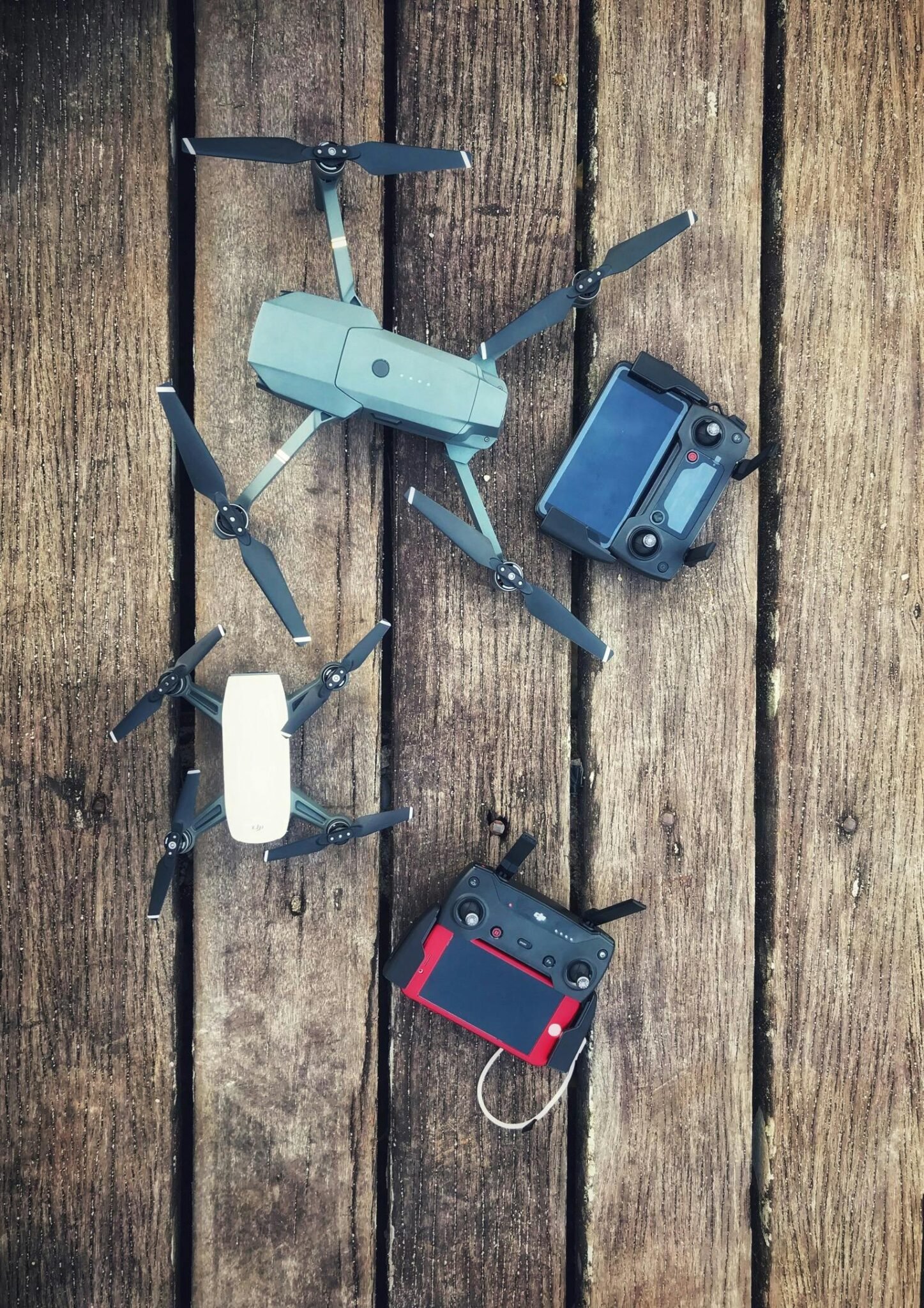




In a hall where the hum of rotor blades rivals the chatter of business development, attendees glide from booth to booth, soaking in the kinetic energy of the drone industry. Drone exhibitions have evolved far beyond glossy catalogs and glossy demos; they are marketplaces where engineers, operators, integrators, and policymakers converge to assess capabilities, compare platforms, and forge partnerships that accelerate deployment across utilities, infrastructure, agriculture, and disaster response. For participants, these events compress months of vendor diligence into a few high-intensity days, enabling faster decisions and clearer roadmaps for capital investments.
Recent Trends
- Live demos drive real-world understanding and faster buyer decisions
- Hybrid shows blend physical booths with virtual tours
- Standards and safety updates shape vendor roadmaps
The appeal of drone exhibitions is multilayered. On the surface, they showcase hardware upgrades—lighter frames, longer flight times, and more capable payloads. Beneath the surface, they reveal the software and services that turn hardware into a complete solution: data pipelines that translate flight into actionable insights, autonomy stacks that reduce pilot workload, and compliance tools that simplify regulatory adherence. For readers who are new to the space, think of drone exhibitions as a practical, live curriculum where theory meets implementation.
What makes these events particularly persuasive is the tactile element. You can witness obstacle avoidance in real-time, compare different autopilot philosophies side by side, and hear candid feedback from pilots who have tested systems in conditions that mirror field operations. This immediacy matters in a market moving toward greater BVLOS (beyond visual line of sight) operations and more sophisticated data analytics stacks. For defense planners and public-safety agencies, exhibitions offer a concrete sense of how new platforms could integrate with existing workflows and incident command structures.
From a strategic perspective, drone exhibitions signal where the industry is concentrating its R&D and capital. Exhibitors frequently debut modular payloads that address specific verticals—thermal imaging for search and rescue, LiDAR for infrastructure inspection, or hyperspectral sensing for agriculture—along with software that stitches flight data into reports, dashboards, and decision-ready intelligence. Attendees can gauge whether a platform’s ecosystem—hardware, software, services, and training—aligns with their procurement criteria. This ecosystem view is a critical differentiator in a market where total cost of ownership hinges as much on software licenses and data rights as on the flight controller itself.
For professionals inside the supply chain, these events are also a barometer of technology adoption timelines. In an industry where timelines can swing with regulatory developments, seeing a clear spotlight on safety, privacy, and flight permissions helps buyers forecast integration risks and schedule calibrations. As regulations evolve—whether about BVLOS approvals, remote identification, or data handling—exhibitions often host panels, workshops, and live Q&A sessions that translate policy into practical steps for operators and integrators alike. For readers of this piece, the takeaway is simple: today’s drone exhibitions are where policy, technology, and business models collide to reshape how aerial work gets done.
In the broader context of the market, the role of exhibitions is increasingly about curated versatility. Expect a blend of hardware showcases, software platforms, training services, and collaboration forums that enable end-to-end solutions. Attendees should prepare to map vendor capabilities to their own use cases—whether it is inspecting critical infrastructure, surveying large tracts of farmland, or enabling emergency response teams with rapid aerial comms and real-time analytics. As the sector marches toward greater autonomy and smarter data, these events become the primary venue for evaluating the maturity of new solutions and the reliability of partner ecosystems.
What to Expect on the Show Floor
Walking the show floor, attendees encounter a spectrum of exhibitors spanning three overarching themes: hardware innovations, software platforms, and service-oriented offerings. In the hardware category, look for lighter airframes with modular payload bays, improved propulsion for longer endurance, and ruggedized drones designed to operate in harsh environments. Software platforms shine with AI-enabled autonomy, advanced collision avoidance, edge processing, and interoperable data formats that allow different systems to share insights without custom adapters. Service-oriented offerings include training programs, maintenance packages, and end-to-end data services that help organizations turn flight data into value-added outcomes. For end users, the value lies in understanding how a platform’s total package—hardware reliability, software usability, and service depth—fits into a sustainable procurement plan.
Industries that frequently dominate these events include civil infrastructure, agriculture, energy, and public safety. Demonstrations in infrastructure inspection reveal how drones can capture high-resolution data from bridges and towers and translate it into actionable maintenance plans. In agriculture, exhibitors highlight multispectral sensing and analytics pipelines that quantify crop health and irrigation needs. Public safety showcases illustrate rapid response scenarios where drones coordinate with ground teams to locate missing persons or assess wildfire perimeters. This cross-pollination of verticals is what keeps drone exhibitions relevant to a broad audience and helps operators benchmark cross-industry best practices.
Key Exhibitor Categories
- Industrial drones and rugged platforms for harsh environments
- Aerial data analytics and visualization tools
- Safety, privacy, and regulatory compliance solutions
- Autonomy and AI-driven flight control systems
- Training, maintenance, and service partnerships
Policy, Standards, and Business Models
Policy and standards are increasingly central to what vendors showcase. Attendees gain visibility into how manufacturers are approaching BVLOS approvals, remote ID deployment, and privacy safeguards in data handling. Exhibitions also become informal think tanks for new business models—subscription-based software, data-as-a-service, and outcome-based pricing—that reduce upfront costs and align incentives with ongoing value. For practitioners, these sessions help translate regulatory trajectory into practical procurement strategies, including risk management and lifecycle planning. A reader-friendly takeaway: if you want to stay ahead, watch how vendors articulate compliance as an integral feature rather than an afterthought.
Networking and Practical Takeaways
Networking remains a core benefit of drone exhibitions. Beyond product brochures, the opportunity to exchange field-tested insights with peers accelerates learning and reduces the trial-and-error period in real deployments. For attendees, a practical plan is essential: pre-register for demo sessions, identify a handful of target exhibitors aligned with your use case, and schedule follow-up meetings to explore pilots or trials. For operations teams, attending user-group discussions can reveal deployment challenges, such as data governance, interoperability, and operator training needs. And for decision-makers, the human element—the stories from pilots, technicians, and customers—often proves more persuasive than any spec sheet. For the industry, these conversations translate into clearer demand signals and more focused R&D investments.
Conclusion
Drone exhibitions remain a critical barometer of the sector’s health and direction. They provide an immersive, evidence-based view of how hardware, software, and services come together to solve real-world problems. For operators planning purchases, for policymakers shaping the rules of the air, and for researchers pursuing the next big breakthrough, these events offer a condensed, high-signal window into the year ahead. If you are charting an asset-light, capability-rich drone program, your roadmap should begin with a calendar of upcoming exhibitions where the industry’s best ideas are tested, debated, and accelerated into practice.

















