
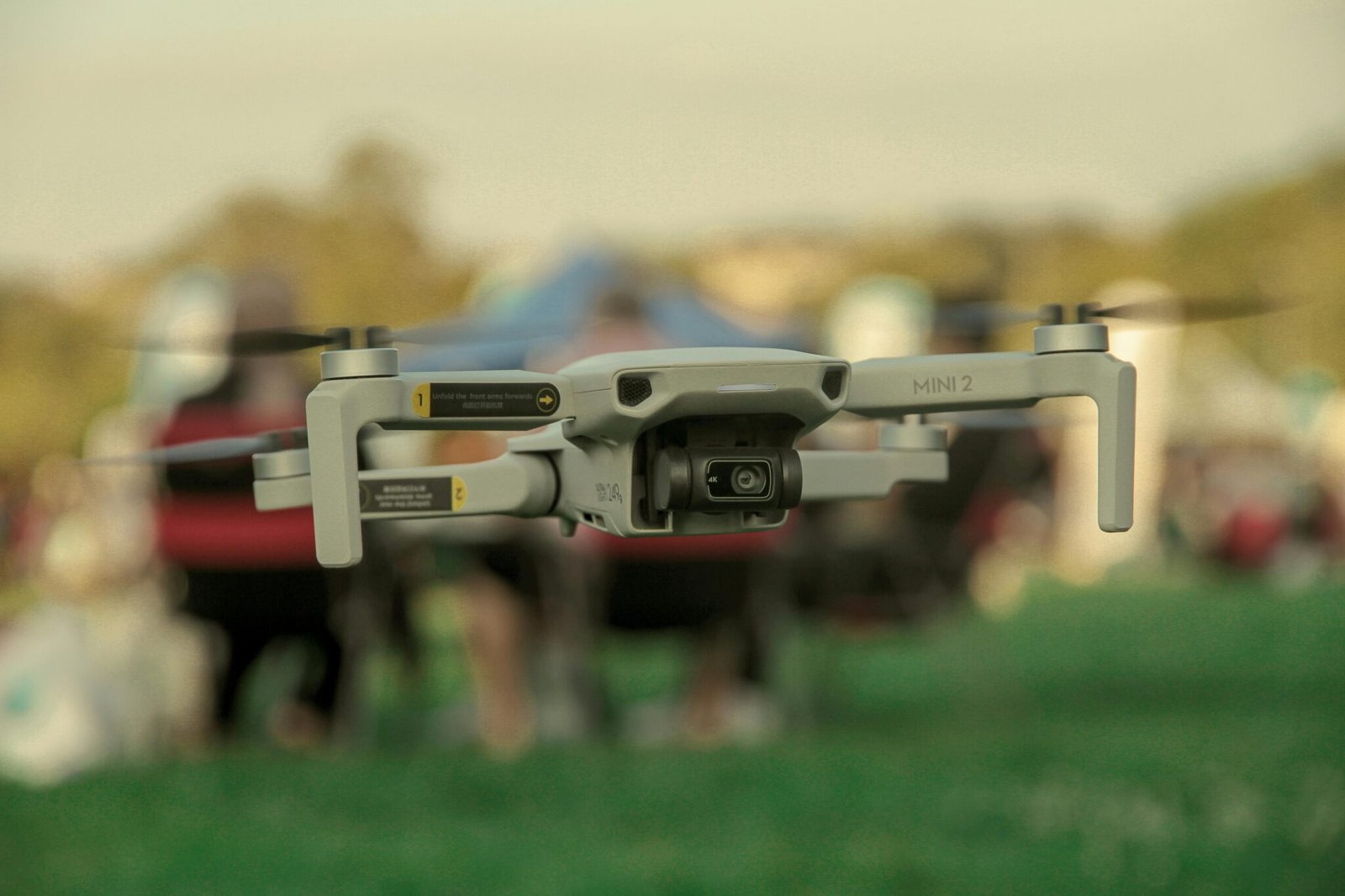




Wind turbine blades are growing longer and more complex, and so is the maintenance bill that keeps wind farms online. Across the globe, operators are turning to drone-based blade inspections to cut downtime, reduce risk, and collect data at scale. A fresh forecast from Custom Market Insights suggests the drone blade inspection segment will surge into the multi‑billion dollar range, with the market estimated to reach USD 9.1 billion by 2034 and a roughly 11.9% CAGR.
Recent Trends
- AI-powered defect detection expands, improving accuracy
- Offshore wind expansion boosts inspection demand
- Regulatory safety standards push faster adoption
In this shift, drone protocols replace traditional rope access that is risky, time consuming, and costly. The combination of high altitude wind farms, aging onshore fleets, and ambitious safety mandates is steering operators toward automated, data‑driven inspections. The result is not just safer work sites; it is more reliable blades, better uptime, and clearer maintenance planning for future wind capacity. The momentum is clearest in mature markets but is gaining traction in developing wind energy regions as well.
According to Globenewswire’s coverage, this market trajectory is being driven by waves of offshore wind development, aging turbine infrastructure, and a push toward data analytics that turn inspection images into actionable maintenance insights. These factors collectively lower downtime risk and extend blade life, a win for operators facing rising asset complexity and tighter capital discipline. For wind farm owners, the message is simple: invest in drone blade inspection now to avoid costly outages later.
Wind Turbine Blade Inspection Market Poised for Breakout Growth
Key drivers behind the ascent
The technology core powering this growth is a convergence of advanced sensing, autonomous flight, and intelligent data processing. AI and machine learning enable defect detection that goes beyond human eyes, flagging micro‑cracks and coating delamination that might escape routine checks. Thermal imaging adds another layer by revealing subsurface issues, while high‑resolution cameras capture fine details on every blade face. When paired with LiDAR for precise 3D mapping and automated flight planning, drones become a complete inspection platform rather than a one‑off tool. This shift has given operators the ability to scout multiple turbines quickly, compare trends across fleets, and forecast maintenance needs with predictive analytics.
Practically, this means fewer rope accesses, shorter downtimes, and more data to guide procurement, spare parts, and scheduling. A growing ecosystem of software for planning, reporting, and remote troubleshooting ties the workflow together, enabling operators to make data‑driven decisions in near real time.
Technological Drivers
Key enablers include autonomous navigation, sophisticated image processing, and the integration of AI with thermal and depth sensing. These elements create a digital maintenance ecosystem that makes blade condition a core input for performance models, not just an afterthought. In lay terms, it is like moving from single snapshots to a continuous health check for each blade. Industry players view this as essential to scaling wind energy while keeping costs predictable.
Regional outlook and barriers
North America and Europe lead current adoption thanks to mature wind farms, robust safety frameworks, and established drone service providers. They enjoy faster time‑to‑value from proven workflows and compliant data handling. Asia‑Pacific is the fastest growing region, driven by government pledges to expand renewable capacity, burgeoning wind installations in China and India, and a rising demand for cost‑effective inspection solutions. Latin America and Africa show slower uptake due to infrastructure gaps and regulatory variance, yet demand is rising as wind becomes a more viable energy option in these markets.
Cost, ROI, and access
Despite the enthusiasm, cost remains a primary hurdle. Advanced thermal imaging drones, specialized software, and licensed operators carry a high upfront price tag. Operators weigh this against the expected reduction in downtime, longer turbine life, and improved safety profiles. To broaden access, service providers are offering leasing and all‑inclusive service packages, aligning pricing with maintenance cycles rather than capital outlay. The result is a more scalable path to adoption for mid‑sized wind farms and repowering projects.
Beyond price, regulatory alignment is crucial. Safety standards, insurance coverage, and cross‑border data handling rules shape how quickly drone blade inspection programs can scale. As wind energy markets mature, standardization of inspection criteria and reporting formats will help accelerate the onboarding of new players and reduce the learning curve for operators transitioning from traditional inspection methods.
Implications for the market and operators
For drone and service providers, the forecast underscores the importance of offering end‑to‑end solutions that combine hardware, software, and services. Operators benefit from integrated packages that deliver faster cycle times, consistent data, and clearer ROI calculations. The industry is moving toward standardized data models that enable cross‑fleet analytics, benchmarking, and interoperability with asset management systems. In short, drone blade inspection is becoming part of a broader, software‑defined maintenance strategy for wind energy assets.
Conclusion
The wind industry faces a practical inflection point: invest in automated blade inspection now to maximize uptime and asset life, or continue relying on labor‑intensive, high‑risk methods. The combination of offshore growth, aging assets, and AI‑driven analytics suggests this market will remain in rapid expansion through the next decade. For operators, the message is consistent: embrace drone blade inspection as a core pillar of wind farm operations, and you gain not just safer work sites but a clearer, data‑driven path to higher energy output.

















