
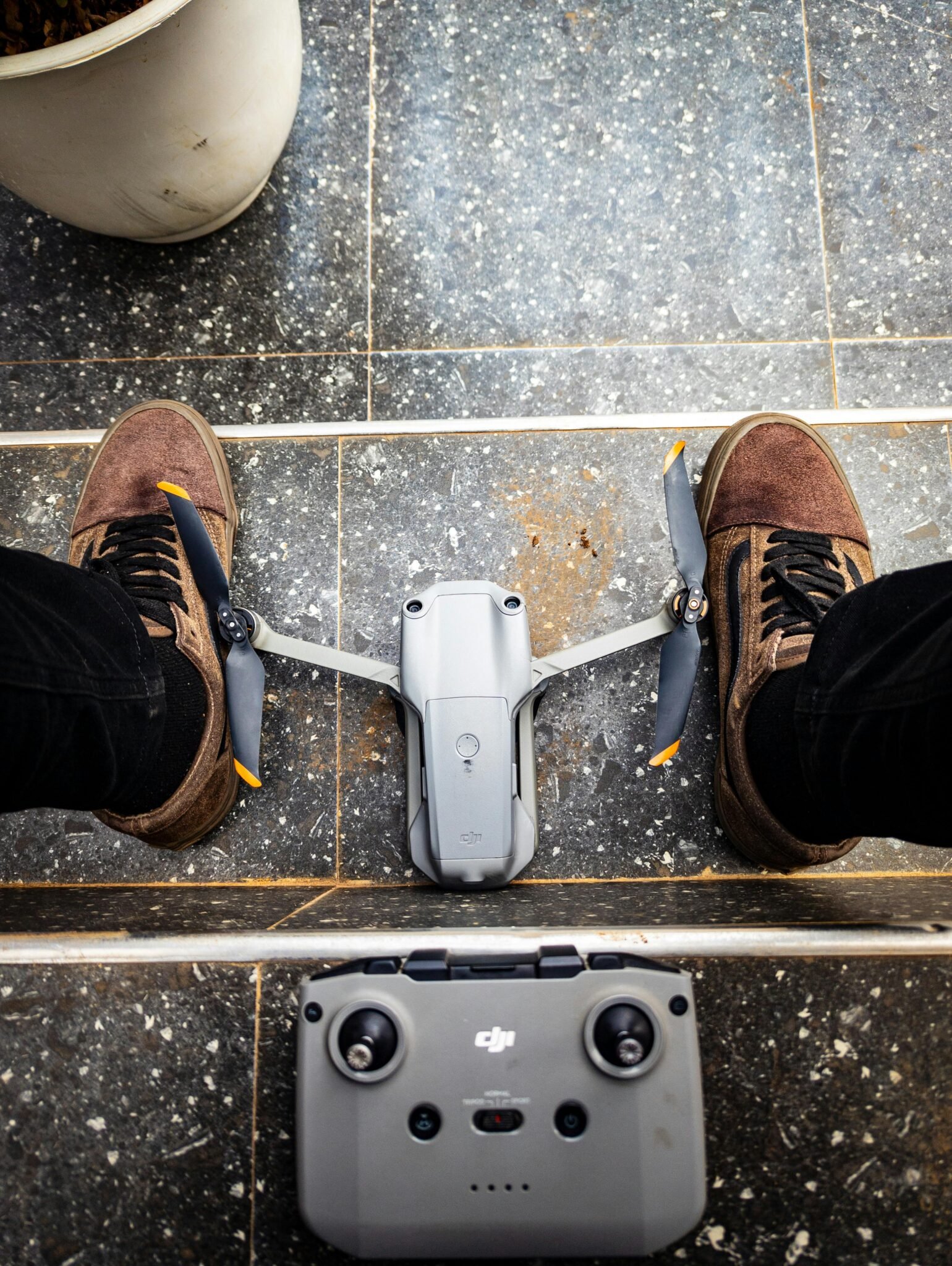




The drone skies above our cities are filling with a new kind of traffic: autonomous operations that deliver, inspect, and monitor without hands on the controls. The leap from manual piloting to autonomous decision making is no longer a futurist’s fantasy; it’s becoming routine for fleets and city planners alike. This week an interesting development is the rapid rollout of AI-powered flight controllers that handle navigation, obstacle avoidance, and dynamic handoffs to ground teams in complex urban spaces. Operators say the shift reduces workload for human supervisors and scales coverage across dense districts.
Recent Trends
- AI-driven routing improves safety and efficiency
- BVLOS approvals expanding for urban operations
- Standardized fleet management and inspection practices
What makes drone autonomy compelling is not just the magic of software; it is the practical reconfiguration of how fleets operate. Drones equipped with autonomous pilots use sensor fusion, real-time mapping, and machine learning to predict wind shifts, optimize battery use, and replan routes in seconds when construction cranes, crowds, or temporary no-fly zones appear. The technology enables a small team to monitor dozens or hundreds of flights in a single shift, turning city airspace into a managed, scalable asset rather than a patchwork of ad hoc experiments. For industry observers, the core message is simple: drone autonomy is multiplying the value of every flight while raising the bar for safety and reliability.
Regulators are catching up with the pace of change. In regions where BVLOS (beyond visual line of sight) corridors are being tested, authorities are issuing sharper safety cases and data-recording requirements that demonstrate dependable remote monitoring, secure data links, and robust failsafes. In the United States and parts of Europe, EASA and national aviation regulators are signaling a clear path: autonomy can unlock economic benefits, but it must come with rigorous risk management and verifiable traceability. For operators, this means a shift from piloting every mission to certifying fleets and flight controllers, then supervising a portfolio of autonomous assets with real-time dashboards. This shift is exactly what the industry has been building toward and is now entering its early scale phase.
From a market perspective, autonomy reshapes who bears risk and how it is priced. Insurance products are evolving to cover software failsafes and remote management, while fleet-management platforms standardize maintenance, update cycles, and flight-safety data. Logistics and infrastructure inspection applications stand to gain speed and consistency: a utility company can dispatch a team of autonomous drones to survey thousands of pylons or solar farms with standardized inspection checklists and AI-powered anomaly detection. The net effect is a more predictable cost structure for operators and a more consistent quality of service for clients. This is especially relevant for cities contemplating large-scale deployments for last-mile delivery, public safety support, or critical infrastructure monitoring.
For readers in the field, the pattern is clear: invest in a modular autonomy stack that can be updated as algorithms improve, maintain robust communication links, and align flight operations with evolving regulatory expectations. Teams should start by documenting safety cases, validating decision-making in edge cases, and ensuring remote oversight can intervene instantly if autonomy behaves unexpectedly. The long-term payoff is a more resilient, scalable drone program that can adapt to new routes, new regulatory requirements, and new business models. This trend also highlights the role of partnerships between operators, hardware developers, and city authorities. The path to broader adoption rests on shared standards and transparent data practices that reassure the public and regulators alike.
In practical terms, consider a city planning office or a logistics operator: the message is simple. Embrace autonomy as a force multiplier, but treat it as a governance problem as much as a technology one. Build a clear flight-day workflow, invest in cybersecure links to control centers, and create a safety-first culture that prioritizes human oversight where needed. As AI pilots become more capable, the emphasis shifts from proving that drones can fly to proving that a city can trust dozens of autonomous assets operating simultaneously in busy airspace. This week’s developments signal that trust, built through rigorous testing and thoughtful policy alignment, will be the true differentiator for anyone hoping to scale drone autonomy in urban environments.
Conclusion
Drone autonomy is finally transitioning from a buzzword to a practical operating model. The most compelling takeaway is that autonomy multiplies coverage and consistency while shifting risk management toward structured governance and transparent data practices. Regulators are enabling this shift with BVLOS pilots and safety requirements that emphasize traceability and safety, not restriction. For operators, the path forward is clear: invest in modular, auditable autonomy stacks; align with evolving rules; and partner with cities to turn autonomous flights into reliable, scalable services. The result could redefine how communities access aerial services and how businesses move goods and monitor critical assets in the skies above us.

















