
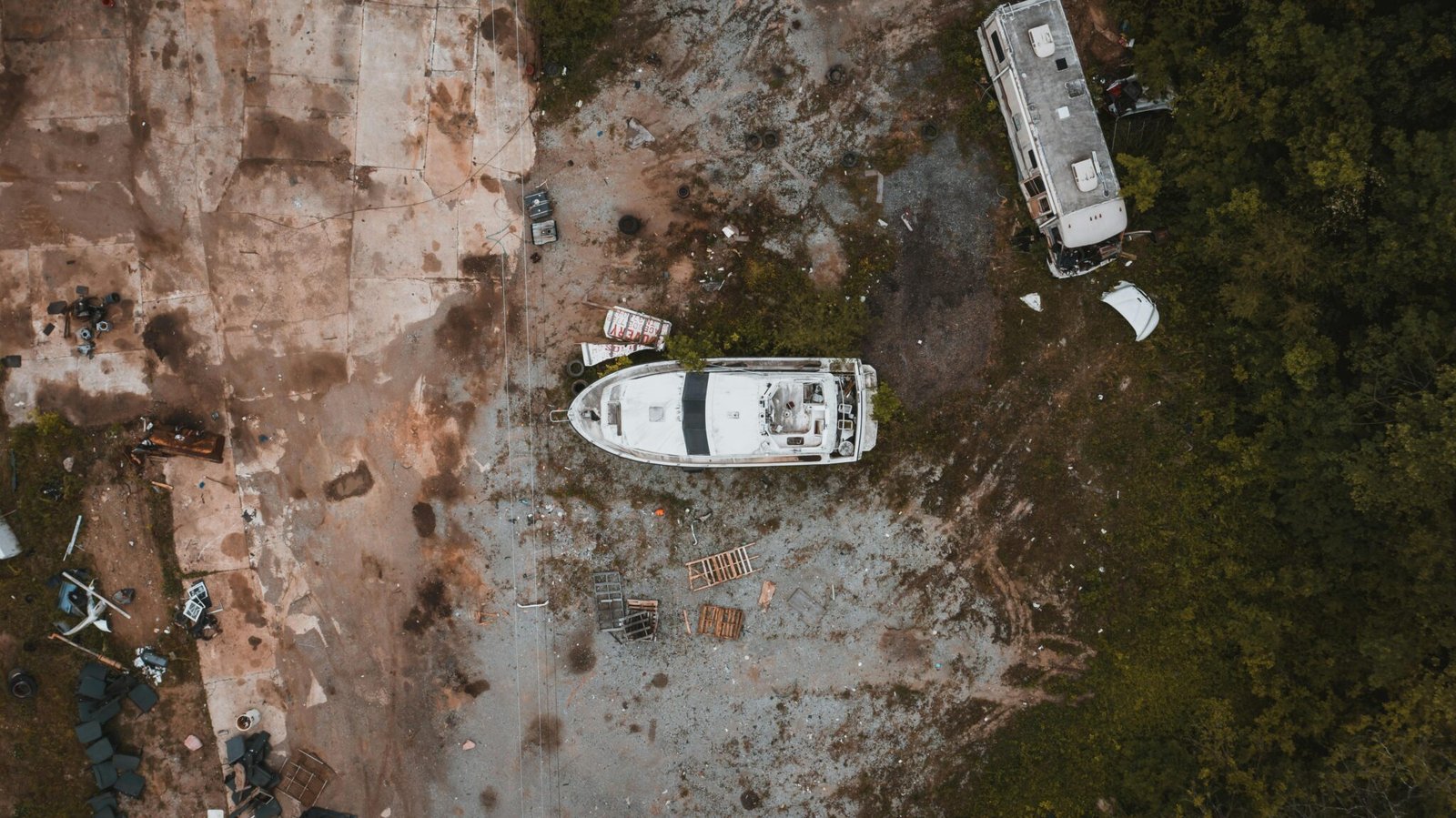




From field to factory floor, unmanned aerial systems are moving from novelty to necessity. A single drone can map a construction site, monitor crops, and inspect a wind turbine, all in one mission rather than multiple visits. This convergence of capabilities is expanding the portfolio of drone applications across industries and turning data into decisive action.
Recent Trends
- Growing demand for autonomous flight platforms
- Regulatory clarity expanding BVLOS operations
- Wider adoption in agriculture and infrastructure inspection
Across sectors, the appeal of drone applications is simple yet powerful: they reduce risk, speed up operations, and unlock data-rich insights that were once cost-prohibitive. For operations teams, the message is clear: invest in the right sensors, flight planning, and data workflows and you can convert aerial data into measurable results. For readers new to this topic, think of drone applications as a bridge between observation and action, where a flight translates into a smarter plan.
Overview: Why Drone Applications Matter Today
In the industrial world, drone applications are not about replacing humans but about augmenting capabilities. By combining high-resolution imagery, thermal sensing, LiDAR, and machine learning, drones can perform repetitive tasks quickly and with consistent quality. This accelerates asset management, supports compliance, and enables proactive maintenance. The cumulative effect is a lower total cost of ownership and higher uptime for critical infrastructure.
Agriculture, Infrastructure, and Mapping Use Cases
In agriculture, agriculture drones enable precision farming: monitoring crop health, applying inputs with variable rates, and forecasting yields. The same logic extends to infrastructure and utilities where industrial inspection drones scan bridges, pipelines, and power lines for corrosion, cracks, or insulation defects. In mapping and surveying, drone-based photogrammetry and lidar deliver georeferenced topo maps and 3D models that inform planning and risk assessment. Emergency response scenarios also benefit from rapid situational awareness, enabling responders to allocate resources more effectively without putting people at risk.
Technology and Data: Turning Flights into Insights
Advances in autonomy, sensor fusion, and edge computing are expanding what drone applications can achieve. Modern drones can operate in cluttered environments with minimal human intervention, collect terabytes of data per mission, and push previews to the cloud for rapid analysis. For example, combining NDVI and thermal images helps identify water stress and overheating electrical components, while LiDAR yields precise elevation models for flood risk mapping. Logistics drones are beginning to enable last-mile deliveries in controlled environments, letting companies move packages when traditional ground routes are impractical or slow.
Policy and Practice: Getting From Pilot to Program
As adoption grows, regulatory and safety frameworks shape what is possible. Beyond line-of-sight operations, many regions are trialing or allowing BVLOS flights for utility inspections and rural mapping. Organizations looking to scale should start with pilot programs that align with clear use cases, implement robust data governance, and plan for data security, privacy, and airspace coordination. Readers should also consider training, standard operating procedures, and maintenance regimes that reduce downtime and ensure mission reliability. For operations leaders, the takeaway is clear: begin with a targeted pilot, then expand into a scalable program that ties flight data to business outcomes.
Technology and policy together are reshaping how teams approach fieldwork. When executed properly, drone applications become an integrated part of operations rather than a separate capability. The synergy between aerial data and on-the-ground decision making is what turns a flight into a strategic asset for agriculture, infrastructure, mapping, and beyond.
Implementation Guide: From Pilot Project to Program
Start with a well-defined use case that delivers measurable ROI, such as reducing inspection lead times or improving yield forecasts. Build a data workflow that standardizes capture, storage, processing, and quality assurance. Choose sensors and platforms that align with your objectives—multispectral cameras for agriculture, high-resolution RGB for inspections, or LiDAR for precise topography. Establish security, privacy, and regulatory compliance from day one. Train staff and create repeatable SOPs to ensure consistency and safety across flights. Finally, design a path to scale, using pilot results to inform budgets, partnerships, and governance structures.
FAQ
Q: What are common drone applications across industries?
A: From agricultural drones to infrastructure inspection and mapping, drone applications cover data gathering, monitoring, and automation tasks that save time and reduce risk.
Q: How do I start implementing drone applications in my organization?
A: Begin with a specific problem, assemble the right sensors, integrate data workflows, and pilot before scaling. Focus on safety, regulatory compliance, and staff training.
Conclusion
Drone applications are reshaping how businesses collect data, monitor assets, and make decisions. By prioritizing use cases, building robust data pipelines, and aligning with regulatory frameworks, organizations can unlock substantial efficiency gains and new capabilities across agriculture, infrastructure, mapping, and beyond.

















