
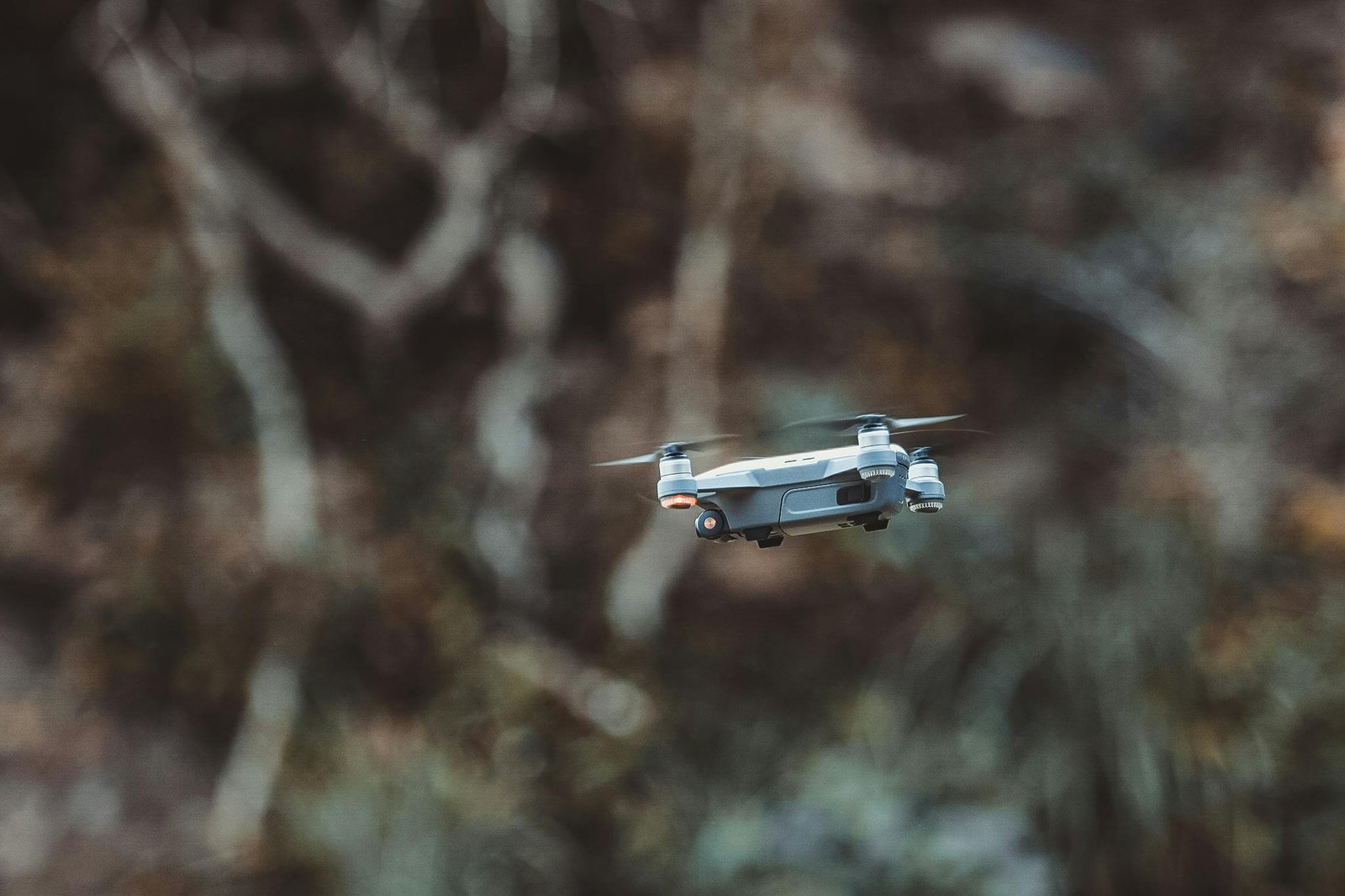




In the glare of the AUSA show floor, Draganfly steps onto the stage with a slate of drone systems designed for mission-critical work. The company frames its lineup as not just hardware, but integrated solutions that connect unmanned platforms with sensors, analytics, and user-friendly workflows. For defense planners, the message is clear: better drones are now part of a broader toolkit that spans data fusion, secure communications, and rapid deployment in the field.
Draganfly at AUSA 2025: Advanced Drones for Defense
Recent Trends
- Defense modernization is accelerating through private-public partnerships
- Integrated sensors and analytics are becoming standard in military drones
- U.S. contractors push for North American manufacturing and supply chain resilience
At AUSA 2025, Draganfly will exhibit in booth #943 alongside its newest partner, Defense Prime Global Ordnance, a move that signals deeper collaboration with defense primes to bring mission-ready unmanned systems to the U.S. Army and allied customers. Attendees will have the opportunity to see the company’s latest drone platforms in action, explore sensor suites, and understand how these tools fit into modern multi-domain operations. The setup underscores Draganfly’s strategy of combining aircraft, payloads, and analytics into cohesive mission packages rather than standalone devices.
Product teams emphasize that the value extends beyond raw range and endurance. Data collected by the sensors translates into actionable intelligence in real time, a capability that can shorten decision cycles on the battlefield. This emphasis on mission-focused tech aligns with a broader shift in defense procurement toward interoperable systems that can plug into existing command-and-control networks. The goal is to move from a collection of gadgets to an integrated ecosystem that supports fused analytics and rapid, trusted decision making.
According to Roboticstomorrow, Draganfly will exhibit in booth #943 alongside its newest partner, Defense Prime Global Ordnance, where attendees will have the opportunity to experience the Company’s latest drone platforms, sensor systems, and mission-focused technologies firsthand. The arrangement with a defense prime underscores a trend toward turnkey solutions that combine airframes, payloads, and software into a single, field-ready package.
Beyond the products on display, the presence at AUSA highlights a strategic expansion for Draganfly in defense and public safety markets. The company has stressed that its drones are designed with secure, North American manufacturing in mind, addressing procurement standards that many defense customers require. With the Army’s modernization plans increasingly prioritizing multi-domain operations, Draganfly’s approach—combining unmanned systems with advanced sensors and analytics—positions the firm to compete more effectively against long-standing defense contractors that offer full mission solution sets rather than isolated components.
What to expect at the booth
- Demonstrations of multi-sensor payloads and real-time data analytics
- Live comparisons showing how Draganfly drones integrate with existing C2 networks
- Insights into the company’s partnerships with Global Ordnance and specialized defense primes
Strategic implications for defense buyers
One takeaway for procurement officials is the growing importance of turnkey solutions. Draganfly’s model—unmanned platforms paired with sensors and analytics within a single ecosystem—aims to reduce integration risk and shorten timelines for fielding capabilities. That pattern mirrors broader market moves where vendors are expected to deliver complete mission-ready packages rather than disparate components. For field operators, this can translate into faster deployment, more reliable data, and easier training pathways for soldiers and first responders alike.
In an era where supply chain resilience matters as much as performance, the partnership approach is telling. Global Ordnance’s footprint in defense distribution gives Draganfly a ready channel to reach units that require vetted, North American-made solutions. This aligns with policy trends favoring domestic sourcing and trusted suppliers, a topic that often comes up in U.S. Army modernization briefings and congressional hearings on defense contracting. This collaboration also demonstrates how smaller innovators can scale through collaboration with established primes while maintaining a focus on security and compliance.
For readers new to this space, think of Draganfly’s portfolio as a smart, integrated system rather than a single drone. A mission-ready package might include an airframe, a certified sensor suite, and a data platform that feeds directly into a decision-support cockpit. It is this end-to-end capability that defense buyers are increasingly asking for as they modernize fleets and rewrite risk calculations around new technology adoption.
Conclusion
Draganfly’s appearance at AUSA 2025 marks more than a product showcase. It signals a maturing defense drone market where interoperability, domestic manufacturing, and strategic partnerships drive faster fielding of capable systems. For defense planners, the takeaway is straightforward: expect more integrated, plug-and-play solutions that can operate within existing networks, with measurable improvements in situational awareness and mission success rates. As programs evolve, the alliance with Global Ordnance and the reach of defense primes like Defense Prime Global Ordnance will likely sharpen competition and accelerate procurement timelines, benefiting customers who seek reliable, secure, and ready-to-fly drones.

















