
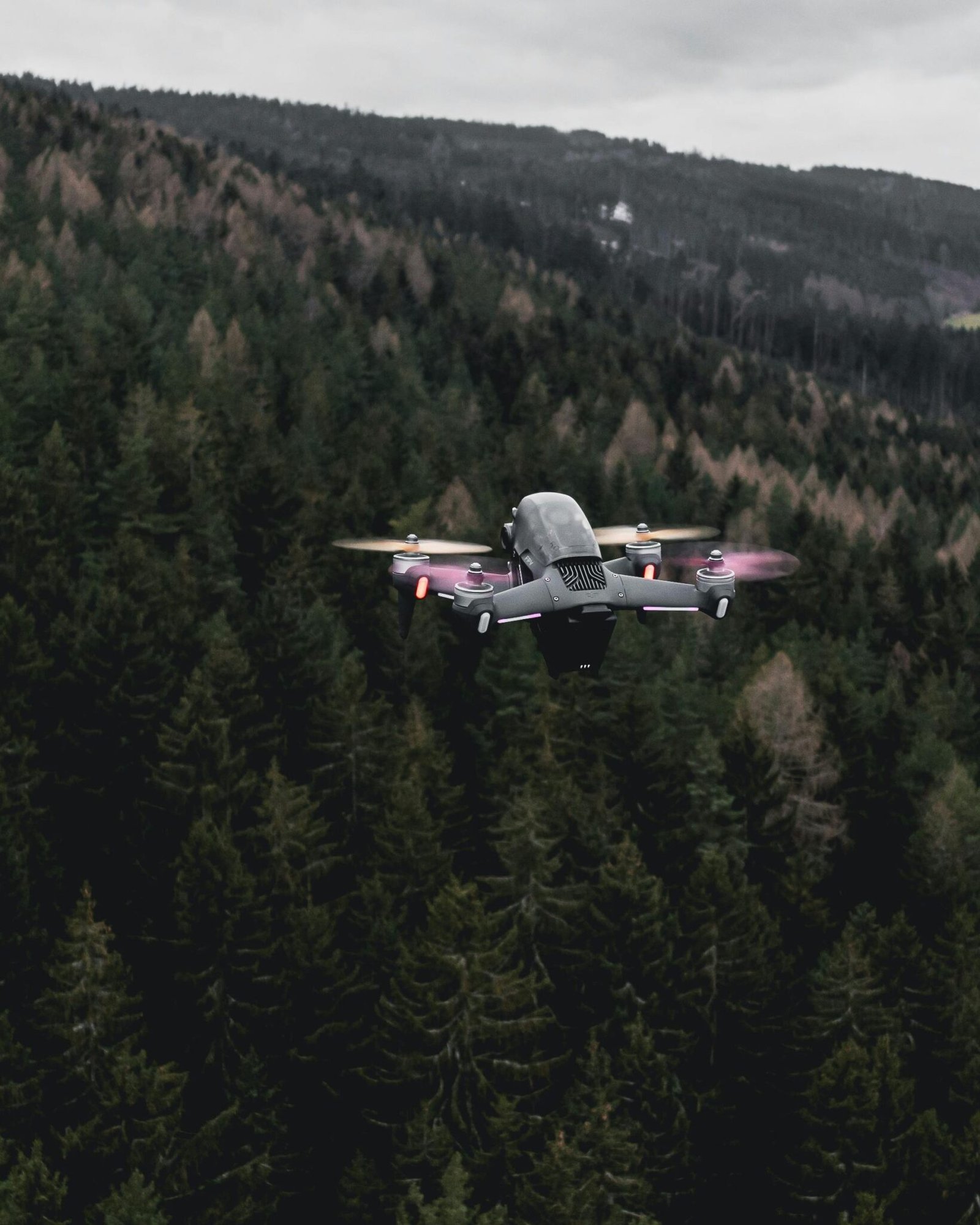




A routine neighborhood flight turned tense when a small screen lit up with a warning near sensitive airspace, and the drone waited for input rather than being blocked by software.
Recent Trends
- Operator responsibility grows as no-fly zones rely on awareness rather than hard blocks
- Drone makers shift to warning-based safety models
- Airspace regulators expand licensing frameworks similar to LAANC worldwide
DJI 2025 No-Fly Zone Update
DJI’s 2025 update shifts away from automatic geofencing toward Enhanced Warning Zones. Pilots now see stronger alerts and must decide how to proceed, a change that aligns with broader rules for airspace safety. The shift signals a move from passive blocking to active awareness—a simple idea with big practical consequences for everyday flights.
Geofencing had long been the backbone of DJI’s safety system, automatically preventing takeoffs or entry into airports, prisons, and other restricted zones. In 2025, DJI replaced much of that rigidity with Enhanced Warning Zones. The drone still displays restricted areas on the map, but it no longer prevents takeoff; it warns you and requires you to comply with the law and with local regulations before continuing. This approach mirrors a global push toward greater operator responsibility while giving professionals flexibility for authorized missions.
According to Techtimes, the change reflects a broader regulatory trend where aviation authorities—like the U.S. Federal Aviation Administration (FAA)—remain the ultimate authority on airspace. DJI’s system now supports compliance by delivering timely information that helps pilots act legally, not by creating a digital fence that removes decision-making from the user.
What to do in 2025: staying compliant near restricted airspace
Even with the removal of automatic flight blocks, rules around controlled and restricted airspace stay strict. Pilots must secure official authorizations through systems such as LAANC in the United States; other nations have similar processes. Without permission, flights near airports or sensitive facilities risk fines, license issues, or even more serious penalties.
- Get the Necessary Authorizations: In the U.S., LAANC provides near-instant permission to fly in controlled airspace around airports. Similar systems exist elsewhere.
- Check Local Regulations and NOTAMs: Notams, temporary flight restrictions, and city rules can change daily due to emergencies or major events.
- Heed FlySafe Alerts: The updated alerts warn you before you cross into restricted zones. Do not rely on them to substitute legal compliance.
- Document Your Permissions: Keep digital or printed proof when operating in restricted areas.
Techtimes notes that this shift is not a relaxation of rules but a rebalanced approach that preserves safety while giving professionals flexibility for authorized missions.
Practical steps for compliant flights near restricted airspace
Plan ahead using DJI FlySafe maps, FAA B4UFLY, and local airspace apps to understand the area. Mark sensitive boundaries and map routes that avoid risky zones. Plan should precede push of the stick.
When you receive enhanced warning zone alerts, stop and reassess. These warnings provide critical context about proximity to airports, heliports, or emergency zones. Do not ignore them simply to speed up the flight.
Respect temporary restrictions, especially during wildfires, search-and-rescue operations, or medical evacuations. Rules can tighten quickly, and violations can trigger heavy penalties.
Maintain visual line of sight and make sure you can safely operate within legal altitude limits. Update firmware regularly to ensure the latest airspace data and alerts are in place.
As you adapt, keep your permissions organized. Digital or printed copies of approvals can save time if authorities ask for documentation during a flight near controlled zones.
From a practical standpoint, this shift means pilots should view FlySafe as a smart assistant, not a permission slip. The system guides you to stay within the rules, but it does not replace them.
In sum, the 2025 change is a call to smarter flying. It rewards planning, documentation, and real-world judgment while providing clearer warnings to keep flights safe and legal. The takeaway for operators is simple: stay informed, stay compliant, and use DJI’s tools to enhance safety rather than substitute knowledge.
Frequently Asked Questions
Q: What does the removal of automatic no-fly blocking mean for pilots?
A: The drone will warn you instead of stopping you; you must comply with applicable laws and regulations yourself.
Q: How do I legally fly near airports or restricted zones?
A: Obtain permission through systems like FAA LAANC in the U.S. or their national equivalents elsewhere.
Q: What are the risks of flying in no-fly zones without authorization?
A: Penalties can include fines, license suspension, drone confiscation, or worse, depending on the violation’s severity.
Q: How does DJI FlySafe help prevent violations?
A: FlySafe provides real-time alerts, warnings, and maps showing restricted or sensitive areas, but it does not replace legal compliance.
Conclusion
DJI’s 2025 approach shifts the balance between automation and accountability. It equips pilots with better information while insisting on responsible decision-making. For enthusiasts and professionals alike, success in 2025 hinges on proactive planning, documentation, and staying current with official airspace rules and DJI FlySafe updates.

















