
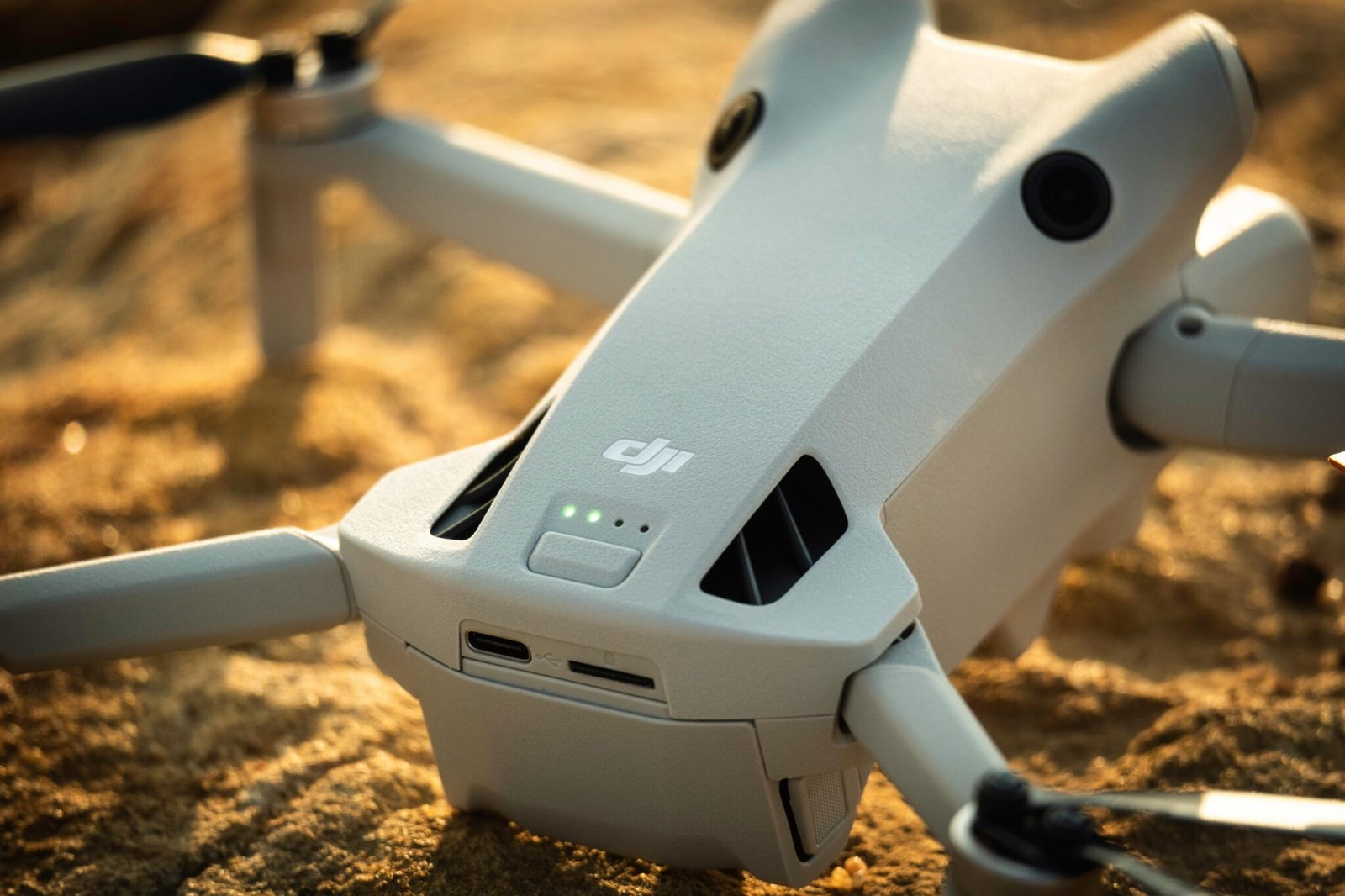




Pocket-sized power is back, as DJI unveils the Neo 2, a compact drone that aims to change how casually you shoot on the go. Weighing just 151 grams, it slips into a jacket pocket as easily as your phone. This is the lightest DJI drone to feature omnidirectional sensing, making it more forgiving for new pilots.
Recent Trends
- Ultra-light drones are expanding consumer appeal
- Gesture control and AI-assisted tracking gain traction
- Compact sensors boost safety for indoor flying
Neo 2 drone: Ultra-Light DJI carry-on
With a featherlight profile the Neo 2 drone is built for everyday adventures rather than a full-blown pro rig. It relies on gesture controls for hands-free flight, a redesigned ActiveTrack system, and SelfieShot to frame quick portraits without extra gear. The approach signals a clear push toward cinema-like capabilities in a pocket-sized form factor.
According to Gizmochina, the Neo 2 uses a 12MP 1/2-inch CMOS sensor and supports 4K video up to 100fps while maintaining a compact, two-axis gimbal. The camera setup is paired with a bright f/2.2 lens to help in lower light and a stabilizing gimbal to minimize shake during fast moves. This combination aims to deliver stable footage even in casual outdoor settings.
Design and key specs
- Weight: about 151 grams, the lightest in DJI’s consumer line
- Obstacle sensing: omnidirectional monocular vision, forward LiDAR, downward infrared
- Camera: 12MP sensor, 4K/100fps, 2-axis gimbal
- Flight time: up to 19 minutes
- Storage: 49 GB internal
- Protections: built-in propeller guards
- Wind resistance: level 5
Performance and use cases
The Neo 2 drone supports easy takeoffs from your palm and quick landings with a Return to Palm feature. It also works with DJI RC N3 for up to 10 km of video transmission, and can be paired with DJI’s motion controller and FPV goggles for a more immersive experience. ActiveTrack upgrades help the drone keep subjects in frame while you move, and SelfieShot options automatically frame waist-up to full-body shots depending on distance.
Pricing and availability
Pricing starts at 239 euros for the drone alone. The Fly More Combo options range from 329 to 579 euros depending on bundle, signaling a strategy to appeal to both casual users and those who want a more complete kit.
Why this matters for the drone market
The Neo 2 underscores a broader trend toward ultra-portable, easy-to-use drones that still offer advanced features. For manufacturers, the challenge is balancing weight, endurance, and sensor quality. For buyers, the question becomes whether gesture control and AI-assisted tracking justify the price versus a smartphone-based setup. In a market where social media content is king, a compact drone that can produce cinema-like 4K footage at 100fps makes everyday video more accessible. For hobbyists and enthusiasts, the message is clear: the line between consumer gear and professional capability is blurring, and the pace of this shift will only accelerate.
FAQs
Q: Who should buy the Neo 2 drone?
A: Casual travelers, weekend shooters, and beginners who want quick footage without a heavy rig or complicated controls.
Q: How long does it fly?
A: Up to 19 minutes under typical conditions, with flight time varying by wind and weight.
Q: What about range?
A: With the DJI RC N3, the Neo 2 can reach up to about 10 km in favorable environments.
Conclusion
DJI’s Neo 2 positions the company squarely in the pocket-sized, feature-rich drone category. It blends a light frame with strong sensing, hands-free control, and cinematic video capabilities, signaling where consumer drones are headed: simpler to fly, more capable in real-world settings, and ready for share-worthy content right out of the box.

















