
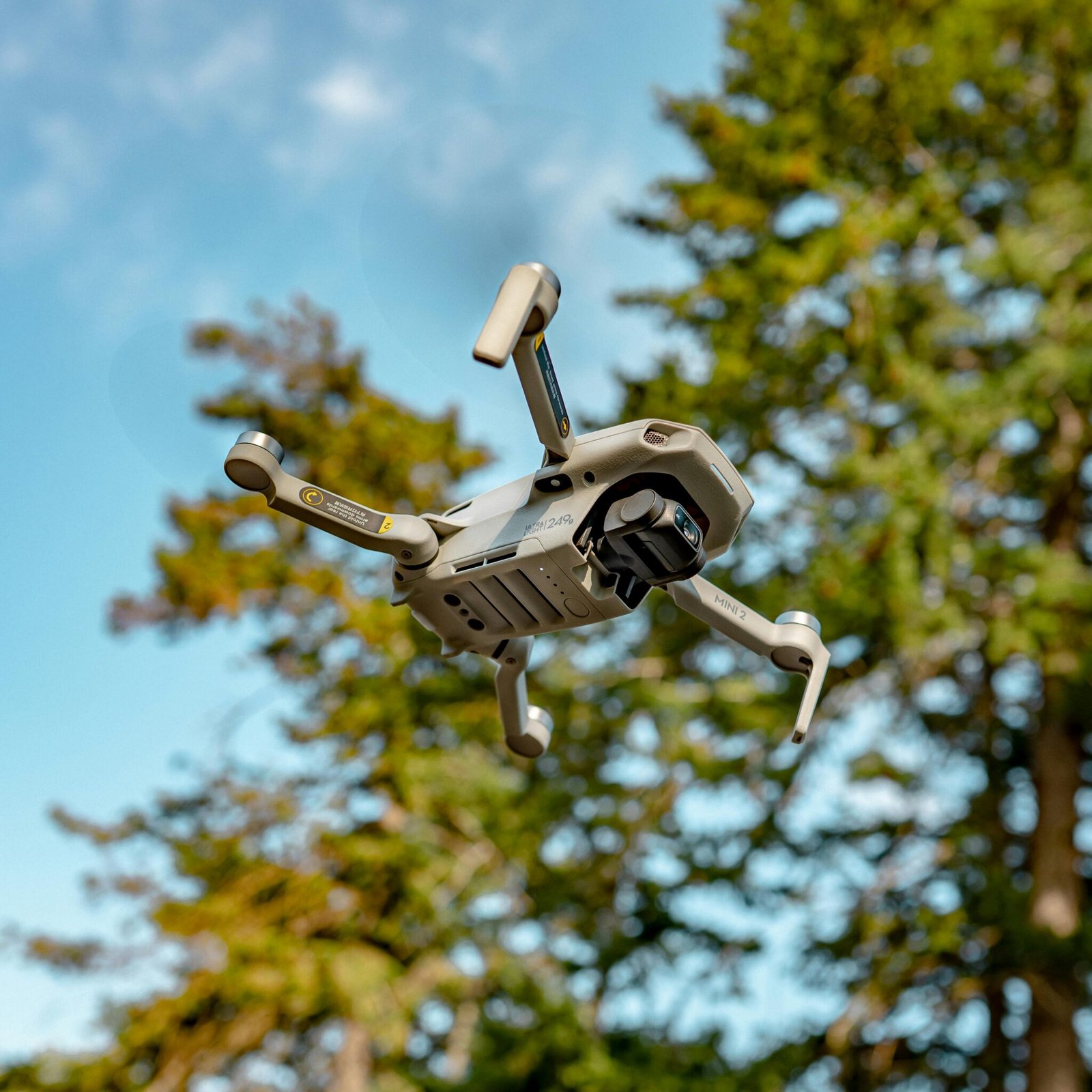




DJI Neo 2 Teased as New Compact Drone
The drone world woke to a clear clue that DJI is preparing a fresh compact option to sit alongside its existing lineup. A teaser from the company points to a Neo 2 that would replace the current Neo, signaling a shift toward a lighter, more portable design that could appeal to casual flyers and travelers alike. The chatter around November launches also stacks multiple devices into play, including rumored successors to the Osmo Mobile 7 and Mic 3 Pro, though DJI is likely to stagger global introductions by region.
Recent Trends
- Consumer drones lean toward compact form factors
- Launch teasers signal region-specific rollout strategies
- OEMs stagger reveals to manage supply and messaging
According to Notebookcheck, the teaser artwork centers on a three-rotor configuration with a protective, multi-part guard. The report also flags a China-focused launch event on October 30, suggesting that the Neo 2 may debut first for domestic audiences before any broader rollout. While no global date is confirmed, the timing aligns with prior industry chatter that DJI would reveal multiple devices in late October or early November. The emphasis on a smaller footprint could be a deliberate response to a market that increasingly prizes portability for travel, quick inspections, and on-the-go photography.
What this means for consumers: a Neo 2 would land at a familiar price point, potentially around the $199 region, while offering improved portability and possibly upgraded sensors or flight modes. For buyers, the shift toward ultra-light, easy-to-carry drones lowers barriers to entry, enabling more people to capture aerial footage without specialized equipment. The focus on a compact design also keeps the Neo 2 squarely in the consumer drone category rather than drifting into pro or enterprise segments, at least in the near term.
What we know about the Neo 2
Rumors converge on a few design cues. The teaser imagery highlights a triple-prop layout encased by a protective guard, a visual nod to durability and safety. DJI’s emphasis on a compact, guard-protected frame suggests an emphasis on ease of use, quick setup, and safer flights in urban or indoor-adjacent environments. If real, this could position the Neo 2 as a direct, pocketable alternative to the original Neo while expanding the brand’s appeal to vacationers and hobbyists who want a grab-and-go drone for spontaneous shots.
Historically, DJI has used China-centric events to debut hardware that later fans out into other regions. The October 30 window aligns with the company’s pattern of region-timed introductions, a strategy that helps DJI balance supply constraints with regional demand. The Notebookcheck piece also notes the broader ecosystem move: Osmo Mobile 8 and Mic 3 Pro leaks, which suggest DJI is orchestrating a slate of consumer devices rather than a single product drop. In practical terms, the Neo 2 could be paired with accessories or companion apps that further streamline how casual photographers and families capture aerial content.
Design, safety, and usability considerations
From a usability standpoint, the Neo 2’s compact design promises an approachable user experience. Short learning curves, simplified controls, and improved portability tend to expand the addressable market for consumer drones. The guard system hints at a focus on safer flight for beginners who might bump into walls or furniture, a real-world concern for indoor or close-quarters shooting. For enthusiasts, any incremental sensor or stabilization improvements could translate into steadier video and sharper photos, especially in wind-prone environments or at higher drone speeds.
Industry impact and timing
The potential Neo 2 release matters beyond one model. A successful compact option reinforces DJI’s dominance in the consumer drone segment while pushing competitors to rethink pricing and feature sets for pocketable devices. The market has shown demand for affordable, easy-to-use drones that still deliver high-quality visuals, and a new Neo could maintain price discipline in a crowded space. Regulators in various regions continue to focus on safe operation, liability, and privacy, so DJI’s marketing and user education around the Neo 2 will be as important as the hardware itself.
Regional rollout and timing
Regional timing remains the biggest unknown. Early indicators point to a China-first reveal, with later availability in other markets. For customers outside China, the wait could mean longer lead times before a global model is available, or it could coincide with a broader launch window if demand supports it. Watch for clarifications from DJI in late October or November as the company confirms availability in your region. The cadence also has implications for retailers and carriers who plan shelf space and bundled deals around new DJI devices.
What buyers should watch for
Key signals to monitor include official confirmation of the Neo 2’s specifications, battery life improvements, and any changes to maximum flight time or obstacle sensing. Price parity with previous Neo models, or a modest premium for added features, will influence early adoption. Consumers should also track DJI’s software updates, as improved flight modes and easier sharing options can significantly enhance the user experience with a compact drone.
Conclusion
DJI’s Neo 2 teaser reflects a broader trend: consumer drones are continuing to move toward compact, affordable, user-friendly designs. If the Neo 2 lands first in China with regionally staggered releases, it could accelerate growth in the entry-level drone category while reinforcing DJI’s lead. The real test will be whether the Neo 2 delivers on portability without compromising on image quality or safety. For buyers and industry watchers, this is more than a product tease; it signals how the market balances ease of use, price, and performance in a rapidly evolving landscape.

















