
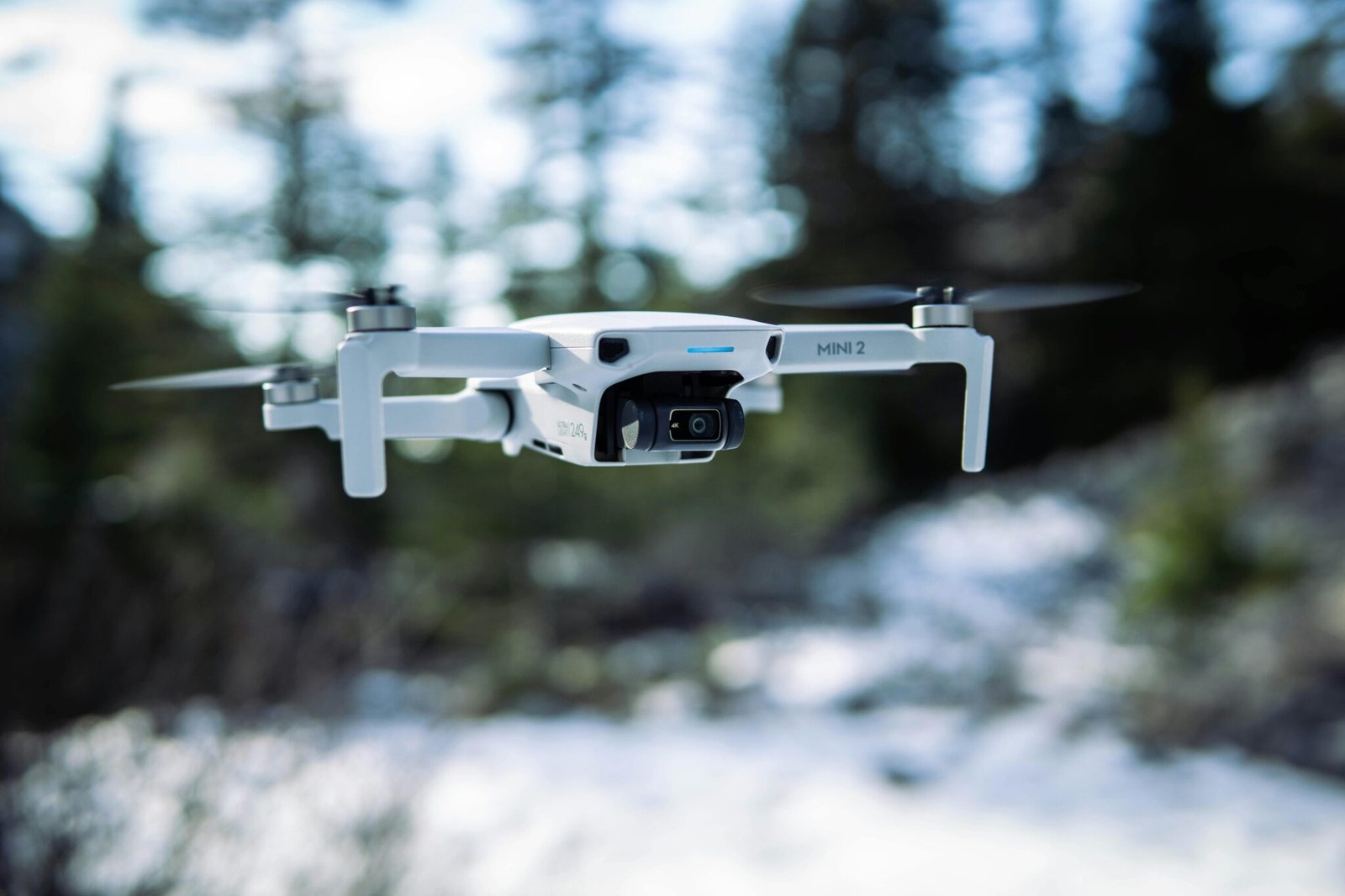




LiDAR-Powered Selfie Drone Elevates DJI Neo 2
When a consumer drone ships with LiDAR, the line between toy and tool begins to blur. DJI’s latest Neo 2 follows this trend by adding a LiDAR-based obstacle-avoidance system to a compact selfie-focused platform. The move signals a wider industry push to embed real-time sensing into affordable, easy-to-use drones that everyday creators rely on for social video and quick-shot b-roll.
Recent Trends
- LiDAR becomes common in consumer drones
- Gesture control and hands-free filming grow
- Drone safety features accelerate with new sensors
At its core, the Neo 2 expands safety features without sacrificing the carefree, grab-and-go appeal that made the original a favorite for social content creators. DJI pairs LiDAR sensors with downward-looking infrared detectors to improve obstacle avoidance while the drone is following a subject. In practical terms, that means fewer abrupt swerve corrections and a smoother, more cinematic selfie track. According to Engadget, the combination is designed to reduce the risk of collisions in cluttered environments where a runner or cyclist might weave through trees or urban streets.
The inclusion of LiDAR is complemented by a suite of other updates that collectively raise the bar for consumer-friendly flight. Gesture controls return, allowing users to shape the drone’s position or distance with simple hand motions. The Neo 2 also supports DJI’s RC-N3 remote controller, alongside a more autonomous follow mode that users can trigger with a tap on the screen or a wrist gesture. For creators, this translates into easier tracking shots without a dedicated operator or complex setup.
On the performance front, DJI has pushed the Neo 2 to higher speeds while maintaining stability in challenging weather. The drone is capable of nearly 27 mph, a significant bump from the original model, and it can hover more reliably in gusts up to roughly 24 mph. The maximum endurance has also improved: a larger 1606 mAh battery delivers up to 19 minutes of flight, up from the previous 14–17 minutes range. This is a meaningful enhancement for content creators who want longer takes and fewer interruptions to swap batteries. DJI also refreshed the camera system with a dual-axis gimbal to boost stabilization, while preserving a 1/2-inch sensor and expanding the field of view for wider selfies and more versatile framing. 4K video remains a core capability, with up to 60 frames per second, and manual piloting can push footage to 100 fps for slow-motion effects.
There are practical tradeoffs with more capability. The Neo 2’s weight has crept up to about 151 grams from 135 grams for the original, a change the company links to the new sensors, larger battery, and reinforced guards around the propellers. However, the extra heft doesn’t worry most casual users when the promised gains in safety and video quality are on the table. The onboard storage has also grown, from 22 GB to 49 GB, which helps with short-form video capture before transferring files to a phone or computer. DJI notes that while those gains are attractive, the Neo 2 remains a compact, pocketable option for social creators who want a quick, hands-off way to capture action shots.
Availability, at least initially, is a limiting factor. Engadget reports that the Neo 2 is currently sold in China, with a price around 1,499 Chinese yuan, roughly equivalent to $211 in the U.S. market at current rates. Tariff and import dynamics could influence price and availability in other regions, a reality many consumers must weigh when considering a buying window for a LiDAR-equipped consumer drone. In short, the Neo 2 demonstrates DJI’s willingness to test advanced sensing in accessible form factors, but a broader rollout remains to be seen.
From a policy and market perspective, the Neo 2 foreshadows two important shifts. First, LiDAR and similar sensors are becoming baselines rather than luxuries for consumer drones. Second, as sensor suites grow, flight permissions and safety standards are likely to evolve, with regulators watching how well these features actually prevent incidents in real-world use. For creators and buyers, the message is clear: hardware improvements are accelerating faster than ever, and the right mix of sensing, control, and portability can redefine what a selfie drone is capable of doing out in the real world. Engadget’s reporting on the Neo 2’s specs and test notes illustrates a growing appetite for consumer devices that think ahead of user error, not merely with it.
In lay terms, this is the moment when a drone brand transitions from selling a fun camera companion to offering a reliable, safety-conscious filming tool. The LiDAR-based obstacle avoidance reduces the guesswork in fast-follow shots. The gesture controls simplify operation while the higher speed opens new storytelling opportunities for action clips. For defense planners, the take-away is a reminder that consumer drone platforms are becoming more capable and, in some cases, more independent from external controllers, raising questions about safety, privacy, and regulatory alignment across regions.
Overall, the Neo 2’s blend of LiDAR sensing, enhanced stabilization, and longer, capable flight times marks a notable milestone for a category that continues to blur the line between leisure and professional use. It’s a signal that the next wave of consumer drones will look more like compact, autonomous filming tools than simple remote-controlled toys. As the market tests new combinations of sensing, AI-based flight, and user-friendly interfaces, creators should expect a broader set of choices that deliver both safer flights and richer visuals.
In the end, DJI’s Neo 2 is less a single gadget and more a statement: LiDAR-enabled obstacle avoidance is moving from niche to normal in the consumer drone space. For creators, that translates into more confidence when filming in unpredictable environments and more time focusing on the shot instead of the safety margins. For the broader industry, it’s a push toward smarter, safer, more user-centric drones that can perform complex moves with minimal operator input. And for enthusiasts watching from the sidelines, it’s a clear sign that a richer, more capable era of selfie drones has arrived. As with many tech upgrades, the real test will come in the field: how well the LiDAR system performs in real-world conditions and whether the market embraces broader launches beyond China. Engadget’s coverage gives readers a solid snapshot of what to expect and what to watch as this trend unfolds.

















