
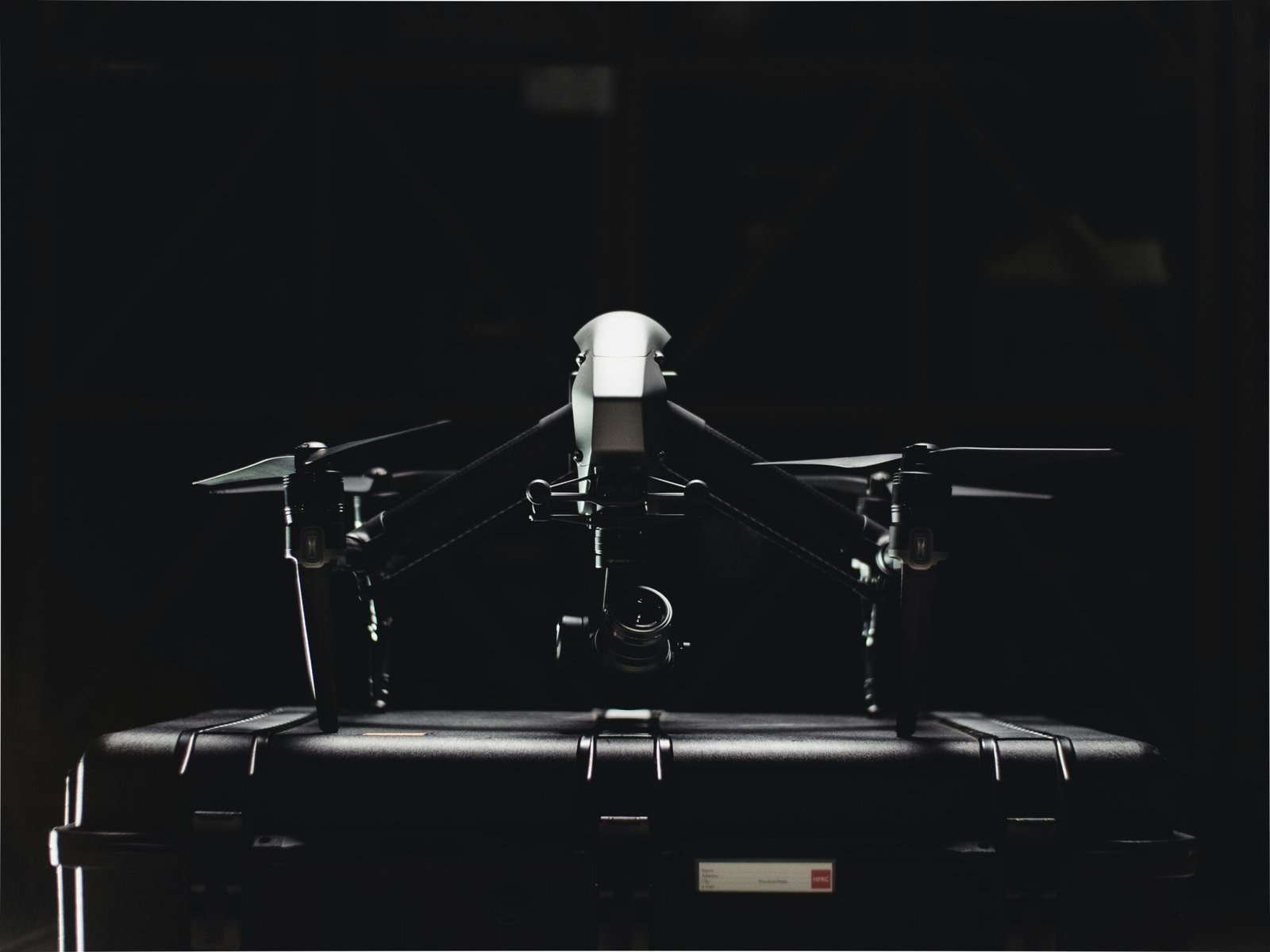




Small, loud, and ambitiously affordable: the drone world is buzzing about a rumored DJI Neo 2 that could redefine what it means to own a pocket camera in the sky. If the leaks prove real, this newcomer would push DJI deeper into the entry-level segment while raising questions about performance, safety features, and how far a consumer can go with a sub-$200 drone. The chatter also signals the market’s hunger for ultra-compact platforms that still offer meaningful flight time and basic automation.
Recent Trends
- Budget drones push mainstream adoption
- U.S. import bans reshape DJI sales
- Miniaturization and sensor advances aid safety features
The developer-supplied hints point to a Neo 2 with a few meaningful upgrades: gesture and voice control, new omnidirectional sensors, and a 2-axis gimbal. The antennas on the back, according to the leaks, suggest a longer operating range than the first Neo’s 50-meter ceiling when used without a controller. If these elements are accurate, the Neo 2 would be one of the few sub-$200 options to hint at obstacle avoidance and more reliable framing for casual pilots who just want to point and shoot.
Leaker imagery circulating on X from Igor Bogdanov shows a drone that resembles the original Neo in size but appears to pack more sensor bars on the front panel and refined protection around the propellers. The big question is whether the rumored 19-minute flight time becomes a real improvement over the 10 to 15 minutes typical of the first Neo. A longer flight time would be a clear win for hobbyists who want more than a quick aerial snapshot.
According to Gizmodo, the discussion around the Neo 2 isn’t just about gadgets. It highlights a practical tension: ease of use versus privacy and security, especially as U.S. authorities continue to scrutinize Chinese-made drones. DJI has been labeled a Chinese Military Company by the U.S. government, with a broader import policy that has left many buyers looking overseas for options. DJI has appealed this designation in federal court, but the practical effect remains. In the meantime, many U.S. consumers face a thinner shelf of affordable flying cameras and longer wait times for domestic availability.
Even if a Neo 2 makes it to U.S. storefronts, the path to purchase could be rocky. Tariffs and complex supply chains loom as potential headwinds, and the shipping frictions that have plagued global commerce could further complicate timely deliveries. The debate isn’t just about price; it’s about what a tiny drone can legally do in a market that increasingly prizes safety, privacy, and interoperability with other devices.
For buyers who want a miniature drone with a bit more personality than a basic quad, the Neo 2 would be a tempting option if it lands stateside. DJI has pointed to ongoing efforts to serve U.S. customers despite evolving conditions, a line the company repeated to Gizmodo. Yet the regulatory landscape remains a major variable. Consumers should watch for how tariffs, export controls, and import restrictions play into pricing and availability.
What the Neo 2 Could Mean for Beginners and Pros
The appeal of a tiny, inexpensive drone is clear: low risk, fast onboarding, and the chance to master piloting fundamentals without a big investment. If the Neo 2 delivers on longer flight time, improved sensors, and a more capable gimbal, it could close the gap between ultra-cheap toys and more capable consumer rigs. That matters for the broader market that has seen growing interest in accessibility features and smart flight modes designed to help new users avoid crashes and broken props.
Regulatory Headwinds and Market Access
Regulatory realities shape every budget drone launch. The U.S. soft ban on DJI imports and the ongoing legal challenge over the company’s designation create a moving target for price, availability, and support in North America. For international buyers, the message remains mixed: a cool new device may be on the horizon, but getting it through customs and into a U.S. cart remains uncertain.
Practical Takeaways for Enthusiasts and Retailers
- Expect a price point that could creep above the original Neo’s base tag if sensors and range pan out as rumored.
- Watch for how the 2-axis gimbal and omnidirectional sensors affect stabilization and obstacle avoidance on a budget platform.
- Retailers should plan for unpredictable delivery timelines and potential shifts in import policy that can affect stocking.
Bottom line: the Neo 2 could become a touchstone for affordable aerial imaging, if it clears regulatory and supply hurdles. For defense-minded readers, the broader takeaway is that budget drones continue to evolve toward more capable sensing and smarter flight, even as global policy adds friction to market access. For consumers, the lesson is simple: expect more features for less money, but verify availability before clicking buy.
Conclusion
The DJI Neo 2 leak cycle underscores a bigger trend in drones: the race to deliver more capability at lower cost. If the rumors hold, the Neo 2 would push the envelope on flight time, sensing, and ease of use in a form factor that remains accessible to new pilots. Yet until a formal announcement arrives and regulatory barriers ease, buyers should temper expectations about timing and price in the U.S. market.

















