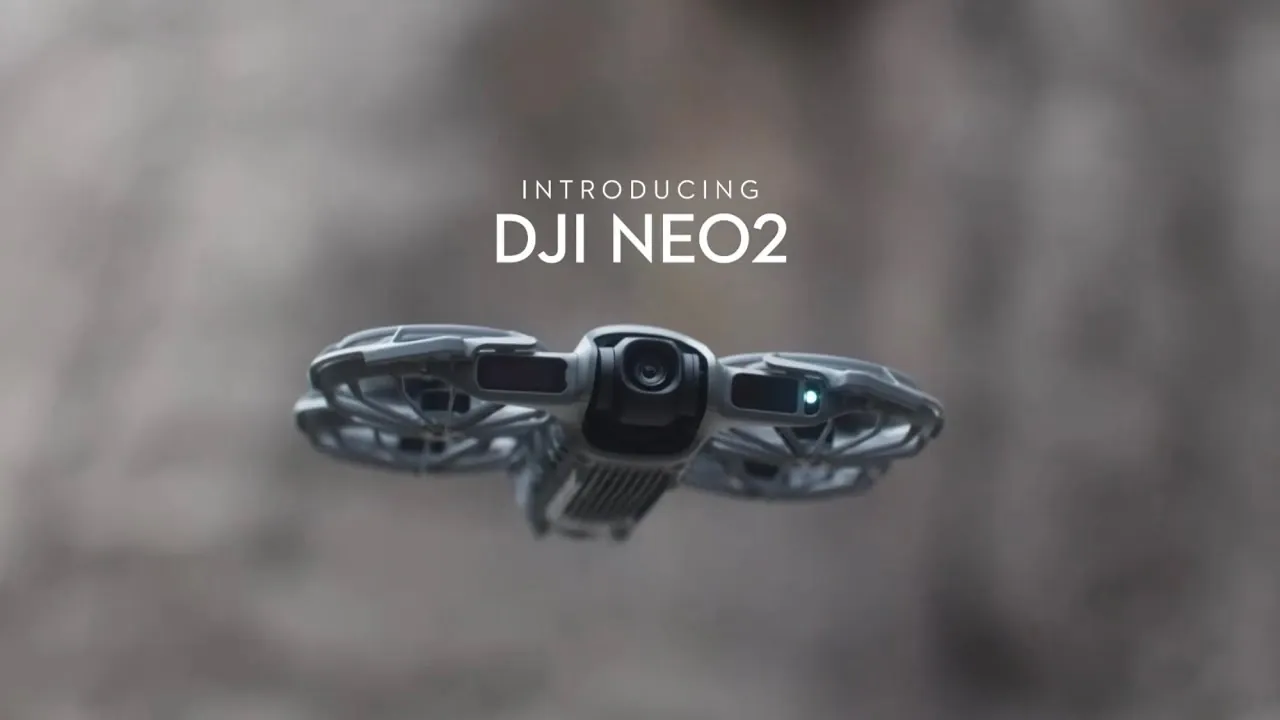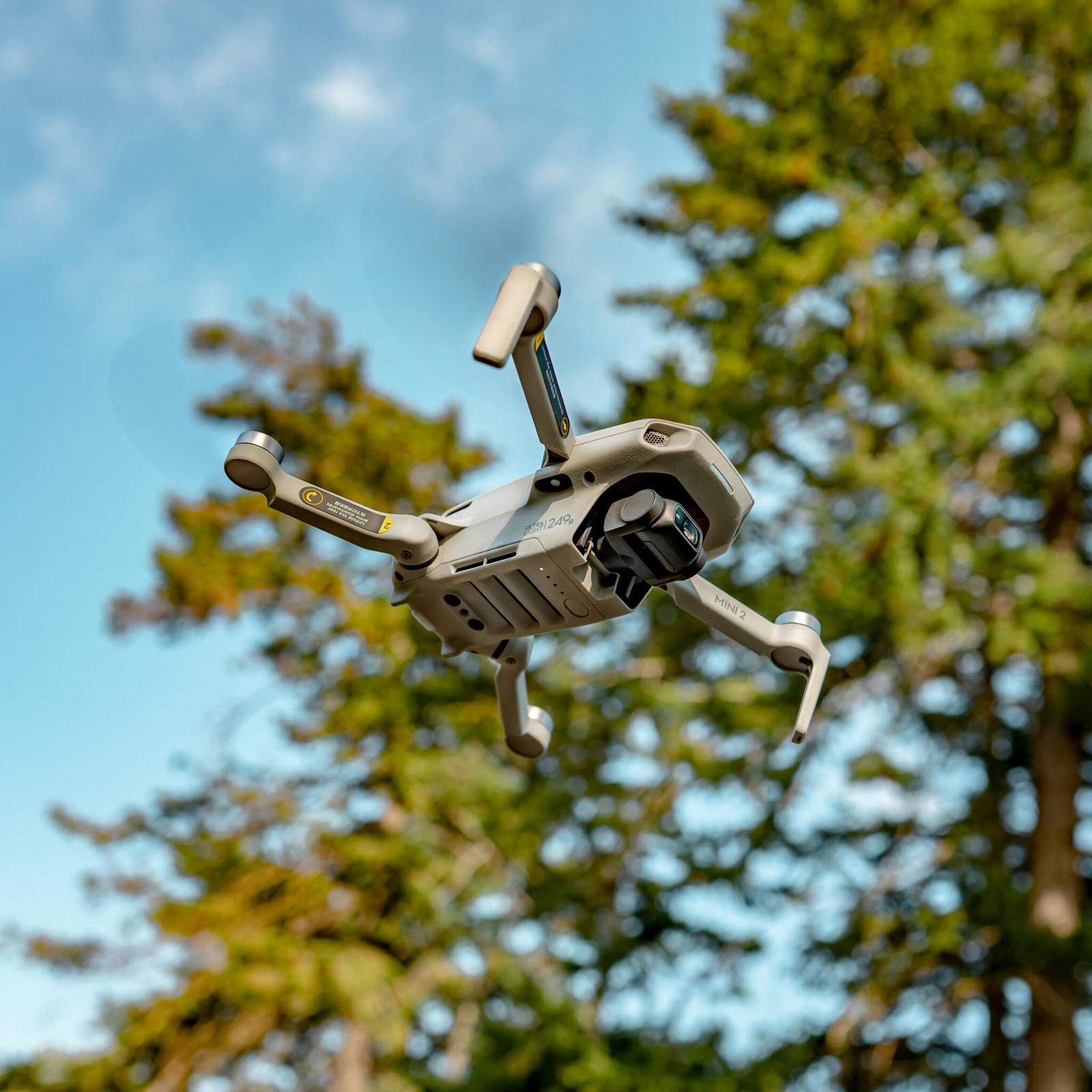




Could a drone fit in your pocket and still shoot cinema-grade footage? DJI just made that vision tangible with the Neo 2 Compact, a sub-250 gram flyer that aims to blend pocket portability with professional potential. For creators on the move, this device promises a new balance between travel lightness and image quality, a formula that could redefine how we think about on-site shooting.
Recent Trends
- Ultra-light drones under 250 g rising to challenge regulatory thresholds
- 4K-capable cameras shrink the gap between consumer and professional drones
- LiDAR-based sensing entering smaller, portable drone platforms
Placed in DJI’s Mini lineage, the Neo 2 Compact is designed to be both approachable for newcomers and capable enough for more seasoned shooters who crave cinematic results without carrying bulky gear. The company frames the aircraft as a bridge between entry-level machines and higher-end camera platforms, a strategic niche that could expand consumer access to higher-quality aerials.
On the optics front, the drone houses a 1/2-inch sensor capable of 4K video at 60 frames per second, paired with a dual-axis mechanical gimbal to keep footage steady in dynamic conditions. That combination means crisp landscapes, smooth action, and more forgiving results in imperfect light. It’s a neat reminder that refined image quality does not require a heavyweight airframe when smart stabilization and processing do the heavy lifting.
In terms of safety and reliability, the Neo 2 Compact leans on a wind tolerance of up to 24 mph, a notable attribute for a compact drone that often operates in parks, canyons, or urban corridors with gusty pockets. Its obstacle avoidance system uses LiDAR and infrared sensors to maintain awareness in near-omnidirectional angles, reducing the risk of accidental collisions in cluttered environments. DJI has also redesigned the propellers to cut noise, a feature that enhances field operation in quieter zones such as neighborhoods or nature reserves. For readers scanning for practical distinctions, quieter operation matters as much as raw performance.
The drone’s battery and connectivity story emphasizes usability. It runs roughly 19 minutes per charge, with a small LED display on the battery providing real-time flight data. Connectivity blends built-in Wi-Fi for quick, short-range flights and social sharing, with DJI’s modular O4 transmission system for more stable control over longer distances. These choices suggest a design philosophy focused on everyday creators who value quick setup, reliable links, and easy content distribution alongside strong image quality.
DJI’s rollout strategy for the Neo 2 Compact mirrors broader industry trends toward phased launches that test demand in domestic markets before global expansion. In China, the model is already gaining traction, with a global release anticipated in early November 2025 and rumors pointing to a European debut around mid-November. Pricing is positioned to be highly accessible for a compact class, with values hovering around $259 in the stated markets, and similar price points in euros or pounds depending on region. This pricing strategy underscores DJI’s aim to broaden the audience base beyond casual hobbyists to include professionals who prize portability as a critical factor in daily use.
From a regulatory perspective, the emphasis on sub-250 gram mass is not incidental. In many jurisdictions, ultra-light drones face lighter operation requirements, which helps expand permissible use in urban and semi-urban environments. For defense planners and policy watchers, the Neo 2 Compact embodies a recurring tension: how to maintain safety and security standards without stifling innovation or imposing heavy operational hurdles for everyday users. In practice, the lighter weight component approach may push regulators to refine category thresholds and create clearer paths to responsible use in crowded airspaces.
As a practical tool, the Neo 2 Compact could appeal to travel journalists, real estate scouts, and Small-to-Medium Enterprises (SMEs) that require quick aerials on tight timelines. A user-friendly release workflow, combined with strong image quality and reliable connectivity, means more on-site content with less learning curve. For content creators who want to capture cinematic shots on the go, the Neo 2 Compact is more than a novelty; it is a portable workflow enabler.
Tech observers will be watching how this device stacks up against rivals that are chasing similar goals: ultralight form factors, robust stabilization, and accessible pricing. The combination of a 4K60 camera, obstacle sensing, quieter propulsion, and a practical flight time could set a new standard for what a pocket drone can deliver. In short, DJI is not just selling a toy; it is pushing a technology envelope that could redefine how light drones are used in everyday storytelling.
For readers looking to connect the dots, this launch matters beyond gadget news. It signals a broader shift toward portable, capable aerials that fit into standard travel routines, altering how producers plan shoots, how regulators frame small drone access, and how competitors respond with lighter, smarter designs. The Neo 2 Compact is a test case for whether sub-250 g drones can carry professional-grade creative ambition without demanding a heavy price or a steep learning curve. That dynamic matters for any business or creator contemplating aerials as a routine tool.
What the Neo 2 Compact Means for Creators and Industry
The core takeaway is simple: portability is becoming a feature equal to camera quality and flight stability. A drone under 250 g reduces friction—less regulatory friction in many places, easier packing for trips, and faster on-site setup. When you pair this with 4K60 capture, LiDAR-based safety, and a mature control link, you have a recipe that could accelerate workflow adoption for creators who previously avoided drones due to bulk or complexity.
Regulatory Context and Market Implications
Regulators are watching sub-250 g devices closely as they balance access with risk management. The Neo 2 Compact sits near a threshold that in several markets translates to lighter screening, fewer licensing steps, and more forgiving operational allowances for hobbyists and some professional uses. For drone manufacturers, the implication is clear: continue shrinking size without compromising core capabilities, and you open doors to vast new segments, including travel media, tourism, and event coverage.
Global Rollout and Practical Takeaways
With a China debut already in the books and a staged release across Europe and North America, DJI is testing how far a pocket-sized platform can go in real-world environments. For buyers evaluating options, the Neo 2 Compact offers a balance of price, portability, and performance that can complement larger rigs or stand alone for lightweight tasks. Expect accessory ecosystems, improved flight modes, and continued firmware updates to refine the user experience over the first year of availability.
Conclusion
The Neo 2 Compact marks a notable moment in the ongoing push toward ultra-portable, capable drones. It blends a 4K60 camera, LiDAR sensing, and a quiet, light design into a package that invites new creators to experiment with aerial storytelling without carrying heavy gear. As DJI rolls the product into more regions, the broader implications for creators, regulators, and competitors will become clearer. For now, the message is unmistakable: the future of flying is light, smart, and remarkably capable.
Source attribution: According to Geeky Gadgets, the Neo 2 compact features, weight under 250 g, and the described connectivity suite are central to its appeal as a portable, affordable option in the growing mini-drone category. The outlet’s detailed feature breakdown informs this analysis and grounds the market context in real-world reporting.