
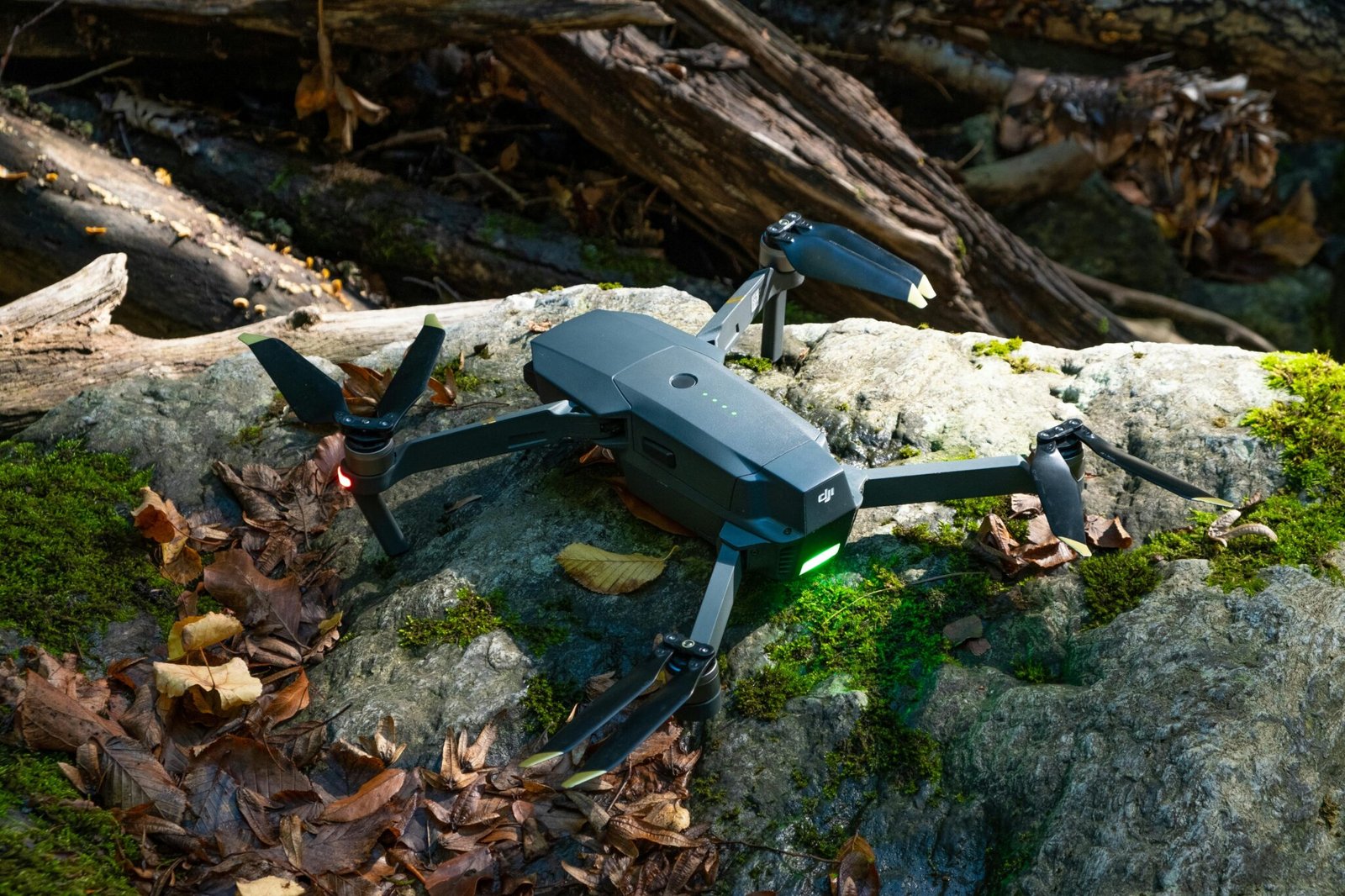




360-Degree Drones: DJI vs Insta360 Showdown
From cliff edges to crowded show floors, the push for immersive, all-around footage has turned the sky into a testing ground for camera tech. The 360-degree drone landscape is no longer a niche curiosity; it is a battleground where software, sensors, and image quality must work in harmony to deliver reliable, contest-ready footage.
DJI, the long-dominant name in consumer and professional drones, is recalibrating its strategy toward deeper integration between camera modules and flight software. Insta360, best known for its standalone 360-degree cameras, is expanding into the drone space with modular options and partnerships designed to accelerate adoption among enthusiasts and commercial operators alike.
Recent Trends
- Rising demand for fully immersive 360-degree footage
- Tighter integration between cameras and flight software
- Rivalries pushing faster feature rollouts
According to the South China Morning Post, the rivalry is pushing both brands to accelerate the integration of camera tech and flight software, a move that could redefine how easily non-experts capture stable 360-degree video in real world conditions.
The market is increasingly separating into two tracks: DJI leveraging its mature flight control ecosystem and service network, while Insta360 emphasizes modularity and post-processing flexibility. For buyers, that means choosing between a turnkey, polished package and a configurable rig that can be tailored to niche tasks like aerial surveying or event capture. In the war for 360-degree drones, the defining metric is not just image quality but the ease of use that translates into real, repeatable results in the field.
What the shifts mean for the market
The battle for 360-degree drones is about more than cameras. It is about how seamlessly an entire system—camera, gimbal, flight controller, and software—works together. DJI aims to extend its ecosystem by tightly coupling its flight software with camera data streams, gesture control, and cloud-based processing. Insta360 counters with modular camera blocks that can be swapped for different shoots, plus a suite of apps that streamline stitching and stabilization. The result could be a broader range of ready-to-fly kits that lower the barrier to entry for newcomers while preserving advanced options for pros.
Competitive strategies
DJI’s playbook focuses on ecosystem depth: robust flight reliability, extensive compatibility with third-party accessories, and continuous software updates that unlock new capture modes. Insta360 banks on flexibility: modular camera rigs, versatile mounting options, and strong post-processing pipelines that turn raw 360-degree footage into polished final products. For the consumer, this means more choices and clearer value propositions in the 360-degree drones space.
Regulatory and safety context
Regulators in the United States and Europe are watching how 360-degree drones perform in real-world airspace. The 360-degree camera setup can complicate situational awareness for pilots, so manufacturers emphasize improved obstacle sensing, safer flight modes, and more transparent data handling. Operators should stay informed about evolving rules under FAA Part 107 in the U.S. and upcoming EU safety requirements. The trend toward integrated systems could help meet these expectations by reducing setup error and providing safer automation options.
Implications for users
- Ease of use matters: a turnkey DJI-equipped drone may appeal to hobbyists who want instant results, while Insta360 style rigs attract film crews seeking creative freedom.
- Future-proofing: buyers should look for open software APIs and upgrade paths that keep a platform current as sensors and stitching algorithms improve.
- Total cost of ownership: consider the full stack from flight time to post-processing software when evaluating 360-degree drones.
FAQ
- Q: Will the 360-degree drone market consolidate around a few players?
A: Expect continued rivalry with both brands expanding in different directions. Buyers gain options, not a single winner. - Q: How should buyers compare DJI and Insta360 offerings?
A: Look at how well the camera, flight controls, and stitching software work together and whether you value turnkey simplicity or modular flexibility.
Conclusion
The 360-degree drone space is maturing from novelty to necessity. The DJI vs Insta360 dynamic is shaping product roadmaps, testing the limits of camera tech, and pushing regulatory frameworks to adapt. For operators, the lesson is clear: the best system is the one that delivers reliable, immersive footage without complicating flight. As the market evolves, expect more integrated packages and smarter, more creative ways to capture the world in full circle.

















