
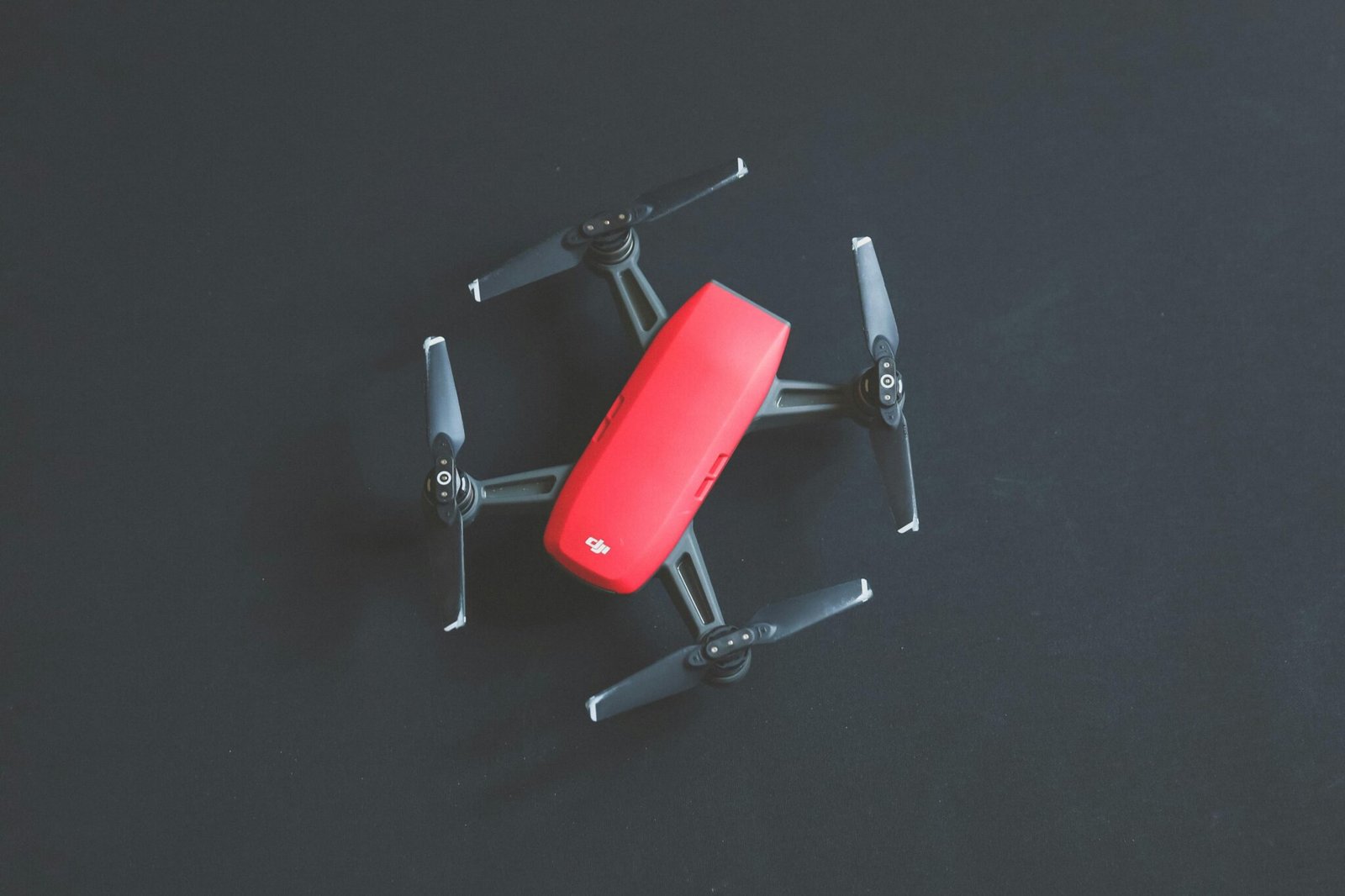




DJI Flip deal signals price shifts in consumer drones
A sharp $90 cut on the DJI Flip RC-N3 is catching the eye of hobbyists and first-time buyers alike as the holiday shopping season accelerates. The promo gives new pilots a reliable entry point into aerial photography without a steep upfront cost. In a crowded market, price cuts like this can turn casual curiosity into a purchase decision in minutes.
Recent Trends
- Rising demand for affordable consumer drones
- Promotions shaping price benchmarks in the sector
- DJI competition intensifies with frequent promos
According to Mashable, the DJI Flip RC-N3 promo is available at major retailers and online stores, signaling a broader shift toward accessible, user-friendly drones rather than high-end tools alone. For buyers, that means more predictable price points and clearer value at checkout. The timing aligns with a longer trend of frequent promotions around holidays, a pattern that benefits newcomers who want quick, practical results without a steep learning curve.
The DJI Flip RC-N3 is positioned as a compact mid-range model that pairs stable flight with a capable camera for casual creators. The included remote controller, improved gimbal, and easy flight modes appeal to first-time pilots who want reliable results without a steep learning curve. If you are upgrading from a toy drone or buying a gift for a budding photographer, this model offers a balanced mix of safety features and performance.
Why does this matter for buyers? First, the price anchor established by a $90 discount nudges other retailers to match or near-match the deal, shrinking the gap between aspirational and affordable. Second, a promo of this scale can catalyze accessory sales such as extra batteries, prop guards, or micro SD cards as buyers complete the platform. Third, it demonstrates DJI’s ongoing strategy of widening its customer base with approachable options rather than merely showcasing premium rigs. In a market where a single impulse purchase can turn someone into a drone enthusiast, the incentive matters.
From a market perspective, the deal illustrates how promotions are used to expand the buyer pool while keeping brand perception intact. Retailers test pricing elasticity: how much value is perceived when price tags move downward, and how that affects repeat purchases and word-of-mouth referrals. For educators and small businesses exploring drone use cases like real estate tours or site inspections, the deal signals a viable, lower-risk entry point.
How to act on the deal: check major retailers and the DJI official store for current pricing, and verify whether the $90 savings apply to bundles or only the base drone. Look for warranty terms and return windows to ensure you have protection if the flight experience reveals any setup questions. If you’re shopping with a specific use in mind, compare the Flip RC-N3’s camera, flight modes, and endurance against rivals to confirm you’re buying the right tool for your goals. For readers who want practical steps, this is a timely invitation to explore beginner-friendly flight with real savings.
What buyers should know
- The deal targets the DJI Flip RC-N3 model, making it accessible for newcomers and hobbyists alike.
- Price promotions like this can influence how other brands price similar entry-level drones.
- Consider bundles with extra batteries or memory cards to maximize value from the purchase.
FAQ
- Q: How long is the deal valid? A: Availability varies by retailer; check the product page for the latest end date.
- Q: Does the discount apply to bundles? A: Some retailers offer bundles with accessories; confirm before checkout.
Conclusion
The DJI Flip deal underscores how price promotions shape consumer drone adoption. By lowering entry costs and highlighting practical, easy-to-use features, the promo helps broaden the market beyond enthusiasts to schools, small businesses, and casual creators. As retailers test price points, expect more clear value signals in the months ahead, with buyers becoming more selective about features that truly matter for real-world use. In the end, the question for 2025 is not just what drones can do, but how affordable the path to getting started has become.

















