
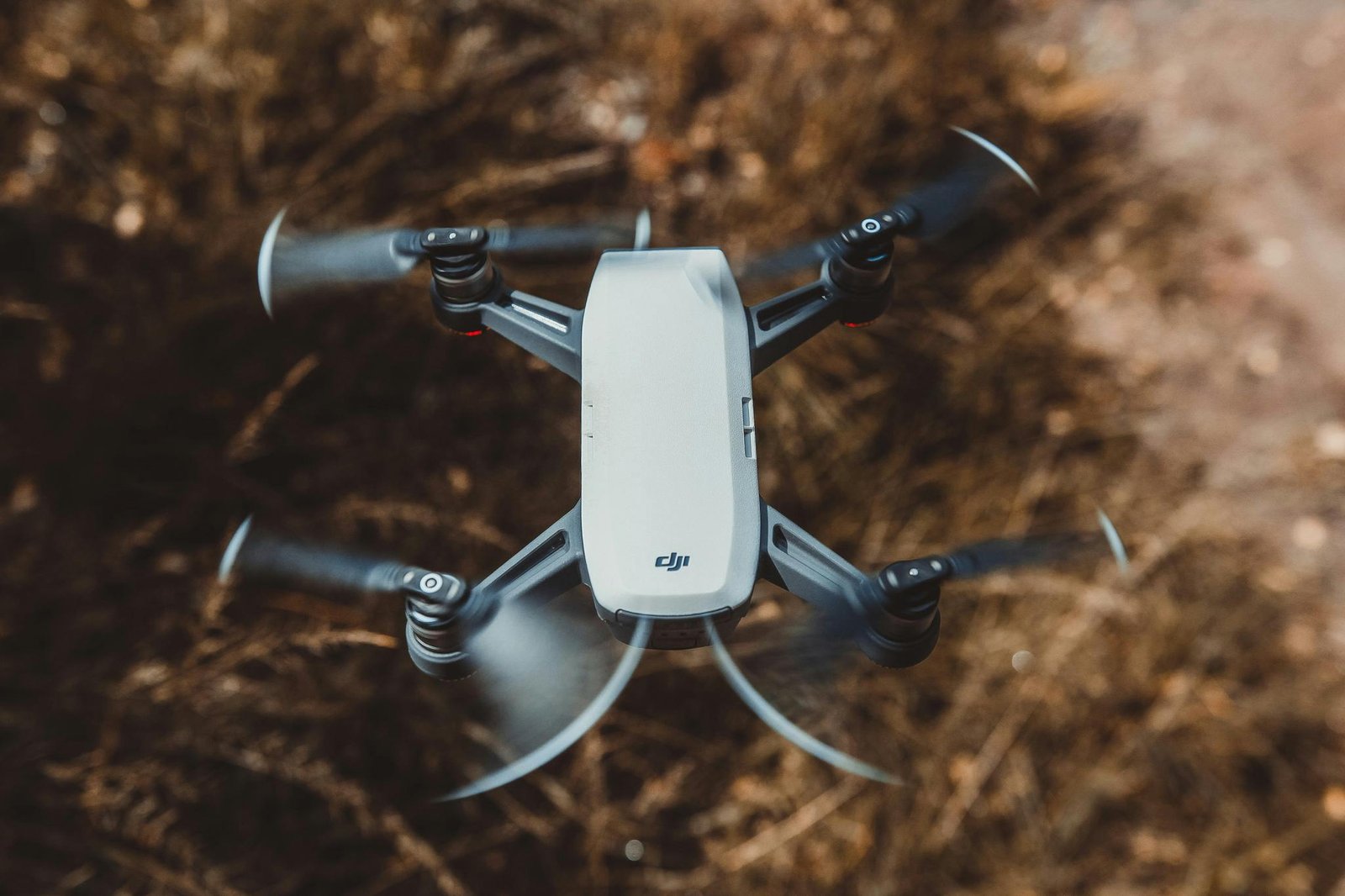




DJI drone ban
The US drone market stands at a crossroads as regulators tighten the screws on foreign technology. A decision by the Federal Communications Commission could reshape which drones fly in American skies in the weeks ahead, affecting hobbyists, commercial operators, and national security policy alike.
Recent Trends
- Regulatory scrutiny of foreign drone tech accelerates in the US and Europe
- Manufacturers diversify supply chains toward domestic components
- Enterprise pilots seek certified, safer drone ecosystems
The FCC voted 3-0 to close loopholes in its Covered List, aiming to secure America’s communications networks against devices deemed to pose an unacceptable risk to national security. In plain terms, the rule change could tighten controls on imports and sales of drones that rely on DJI technology or components. The procedural language matters because it signals a broader push to restrict equipment that regulators view as vulnerabilities in critical infrastructure.
According to CNET, the policy move follows a pattern of tightening controls around Chinese-made tech and equipment used in aviation and communications. The practical effect for many buyers is uncertain but potentially significant: a future ban on importing new DJI drones or devices that embed DJI chips or software, as well as possible restrictions on resale of existing inventory. The FCC’s action is not a blanket ban on all DJI products yet, but it creates a clear path for future enforcement and procurement decisions in federal and state programs.
For industry watchers, the core question is how fast the market will adapt. DJI’s ecosystem is deeply embedded across civil aviation, cinematography, agriculture, and public safety. If imports slow or stop, users must evaluate alternatives such as Autel, Skydio, or other vendors. The shift could accelerate a broader trend toward regionalized supply chains — not just for the US, but for partners in Europe and Asia who rely on similar technology stacks. That means more work for integrators who must test compatibility, flight controllers, batteries, and software stacks across brands.
Another layer is public procurement and government fleets. Agencies that previously deployed large DJI inventories for inspections, mapping, or search-and-rescue missions might face short-term upgrades or re-tendering cycles. Some agencies can pivot to domestic or non-DJI platforms, but contracts, pilot programs, and training pipelines take time. In practice, this means higher upfront costs and longer timelines for mission-critical deployments, even as safety and security goals rise in priority.
For operators and policy readers, the clear takeaway is that the national security frame now has a direct line to the commercial drone market. The actions at the FCC dovetail with ongoing export controls, labeling rules, and procurement standards that limit risk from foreign-made hardware. The jurisdictional mix between FCC, BIS, and FAA will determine how quickly changes take effect and who bears the cost of transition. For defense planners and enterprise teams, the message is unmistakable: security objectives are reshaping the market in real time.
What this means for buyers and operators
Individuals and businesses should start mapping risk, not panic. The DJI drone ban scenario could unfold in stages: cautious licensing, phased imports, and targeted bans on specific models or chipsets. Buyers should diversify pilots and platforms, maintain current inventory while assessing vendor roadmaps, and insist on clear import controls or compliance paperwork. Scrutinize warranties, training, and after-sales support across brands to avoid service gaps.
Policy context and next steps
Policy makers will likely continue narrowing pathways for foreign drones tied to national security concerns. In the United States, this means watching FCC deliberations, BIS export rules, and FAA certification timelines closely. For drone operators outside the US, the incident is a reminder that regulatory risk can rapidly alter technology choices, with implications for cross-border projects and global supply chains.
Conclusion
While a full DJI ban remains uncertain, the FCC move marks a watershed moment for drone policy. It highlights the tension between innovation and security, and it will push buyers, manufacturers, and regulators to plan for more constrained options. The best stance is vigilant planning: diversify suppliers, stay informed on policy shifts, and build resilience into your drone programs.

















