
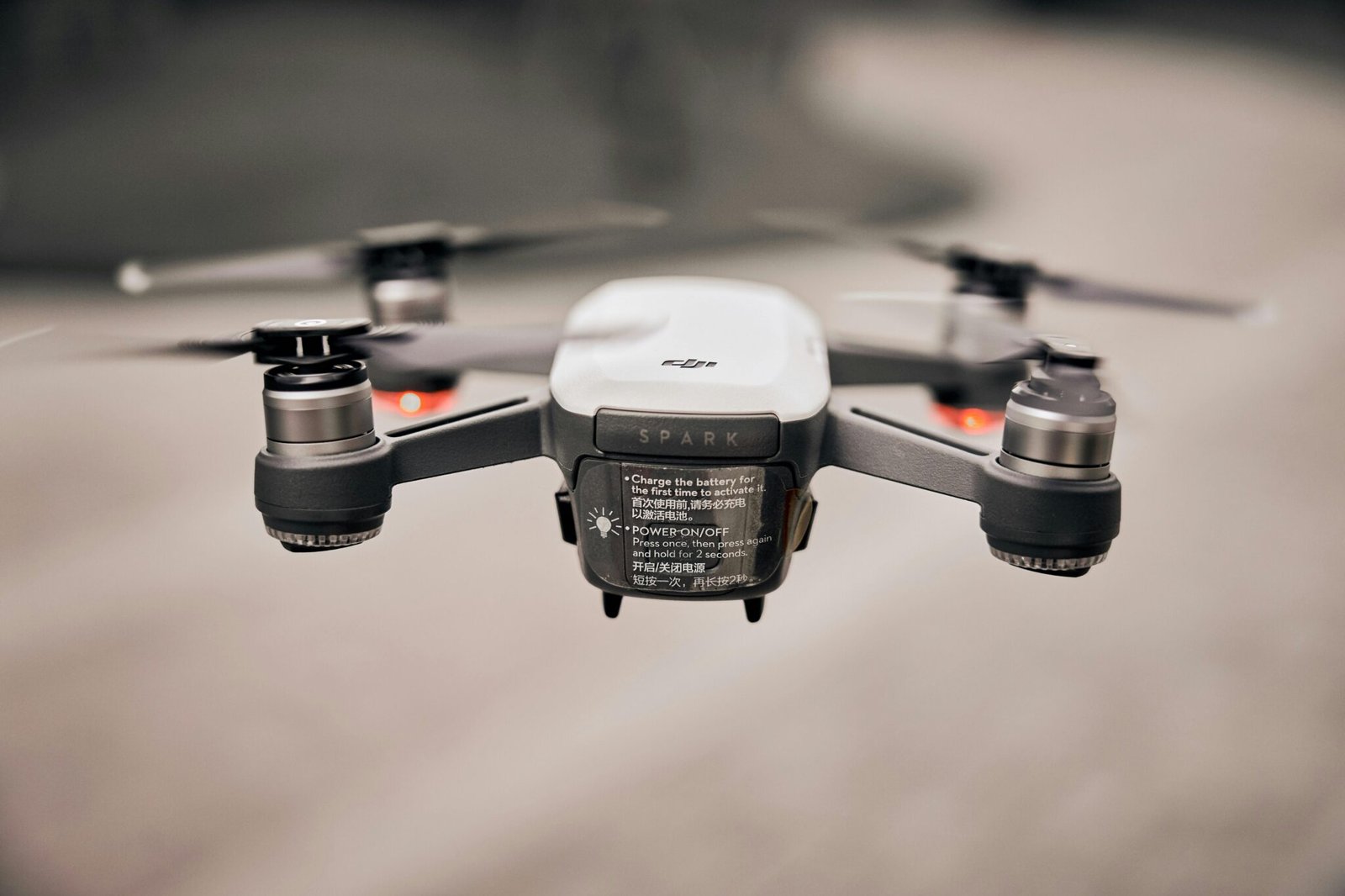




Maximize DJI Battery Life with Practical Flight Tips
A single minute of wasted hover time can derail a mission, from cinematic shoots to critical survey work. For drone operators, DJI battery life has become a practical constraint that shapes planning, insurance, and outcomes. The good news: small changes in how you fly, charge, and maintain the pack can yield meaningful gains. The difference is not about new hardware alone; it’s about smarter routines that squeeze extra minutes from every charge and improve DJI battery life overall.
Recent Trends
- Longer endurance drives enterprise adoption
- Smart charging ecosystems shape power efficiency
- Weather-resilient battery tech expanding reliability
In a detailed roundup, Techtimes outlines practical DJI battery life tips that emphasize temperature control, payload discipline, and flight-mode discipline. These ideas map to broader industry moves toward sustainable, efficient operations in commercial drone use. For readers, it boils down to blending better piloting with smart battery care to improve DJI battery life across missions.
Smart piloting and equipment choices
First, keep the battery at an optimal temperature. LiPo cells perform best when they aren’t exposed to extremes. DJI’s own guidance mirrors what operators see in the field: moderate temperatures help preserve capacity and voltage, which translates directly into longer flight times. A simple step is to warm up cold batteries and avoid charging cold packs, which can blunt performance. In cold environments, a battery heater can help stabilize the output and push DJI battery life a bit further.
Second, consider higher-capacity batteries when the mission justifies the extra weight. Some DJI models support options with more stored energy. The tradeoff is weight versus endurance; for mapping or long-distance inspection, the extra minutes can outweigh the heft. This is a common decision in professional fleets chasing longer flights without sacrificing stability, and it directly feeds DJI battery life in challenging conditions.
Payload and accessory discipline
Third, trim payload and remove unnecessary gear. Extra gadgets—bulky guards, nonessential lights, or unused filters—drain power. Reducing drag and mass means the drone can stay aloft longer and DJI battery life improves in practical terms. The same logic applies to preflight configuration: tailor gear to the task and pack only what you truly need. When operators optimize payload, DJI battery life gains become measurable on real missions.
Flight mode efficiency
Fourth, pick efficient flight modes and smooth control. GPS hover and cinematic modes tend to sip power compared with sport settings. Gentle stick movements minimize motor bursts and help maintain stable altitude. In a typical survey flight, these habits can add critical minutes to your DJI battery life budget.
Weather and speed management
Fifth, weather matters. Wind increases motor workload dramatically, cutting endurance. If conditions are gusty or beyond the drone’s capability, postpone the mission. Likewise, driving at high speed increases drag and drains the battery faster. Slower, steady flight often yields the best DJI battery life results for most tasks.
Battery care and maintenance best practices
Beyond in-flight habits, proper charging and storage protect long-term health. DJI and battery experts advise recharging when the pack drops to roughly 20–30 percent, avoiding deep discharges whenever possible. Cheap chargers can introduce voltage irregularities and overheating; sticking with the original DJI charger helps maintain consistent charging. For storage, keep batteries at around 50–60 percent and in moderate temperatures to extend life. Long idle periods demand safe storage to keep the cells healthy and ready for the next mission. Firmware updates should be treated as maintenance, not optional. New software often refines power management and can improve DJI battery life in practical use. Regular visual inspections for puffing or heat are essential since swollen cells are a safety risk and can sharply cut endurance.
Routinely cooling a battery before recharging helps preserve capacity and longevity. A simple cooling period or a dedicated charging bag can prevent overheating during replenishment. Taken together, these steps form a practical playbook to maximize DJI battery life across fleets and field operations. For defense planners, the message is clear: endurance, safety, and efficient power management are as important as the airframe itself.
Frequently Asked Questions
- Q: How can I safely store DJI drone batteries for long-term use?
A: Store in a cool, dry place at about 50–60% charge to protect cell health. - Q: Do firmware updates really boost battery performance?
A: Yes. They often tune power management and improve efficiency. - Q: Which flight modes help conserve DJI battery life?
A: Cinematic or GPS-assisted modes and gentle control typically save energy. - Q: How does wind affect endurance?
A: Wind increases motor load, reducing flight time.
Conclusion
Maximizing DJI Battery Life is not about magic but discipline. Smart flying, thoughtful payload choices, and a disciplined maintenance routine together yield tangible gains. With practical DJI battery life tips, operators can stretch flight time, boost efficiency, and improve mission outcomes across mapping, inspection, and cinematic work. As fleets grow and tasks become more complex, endurance will increasingly define competitiveness and reliability in the drone economy.

















