
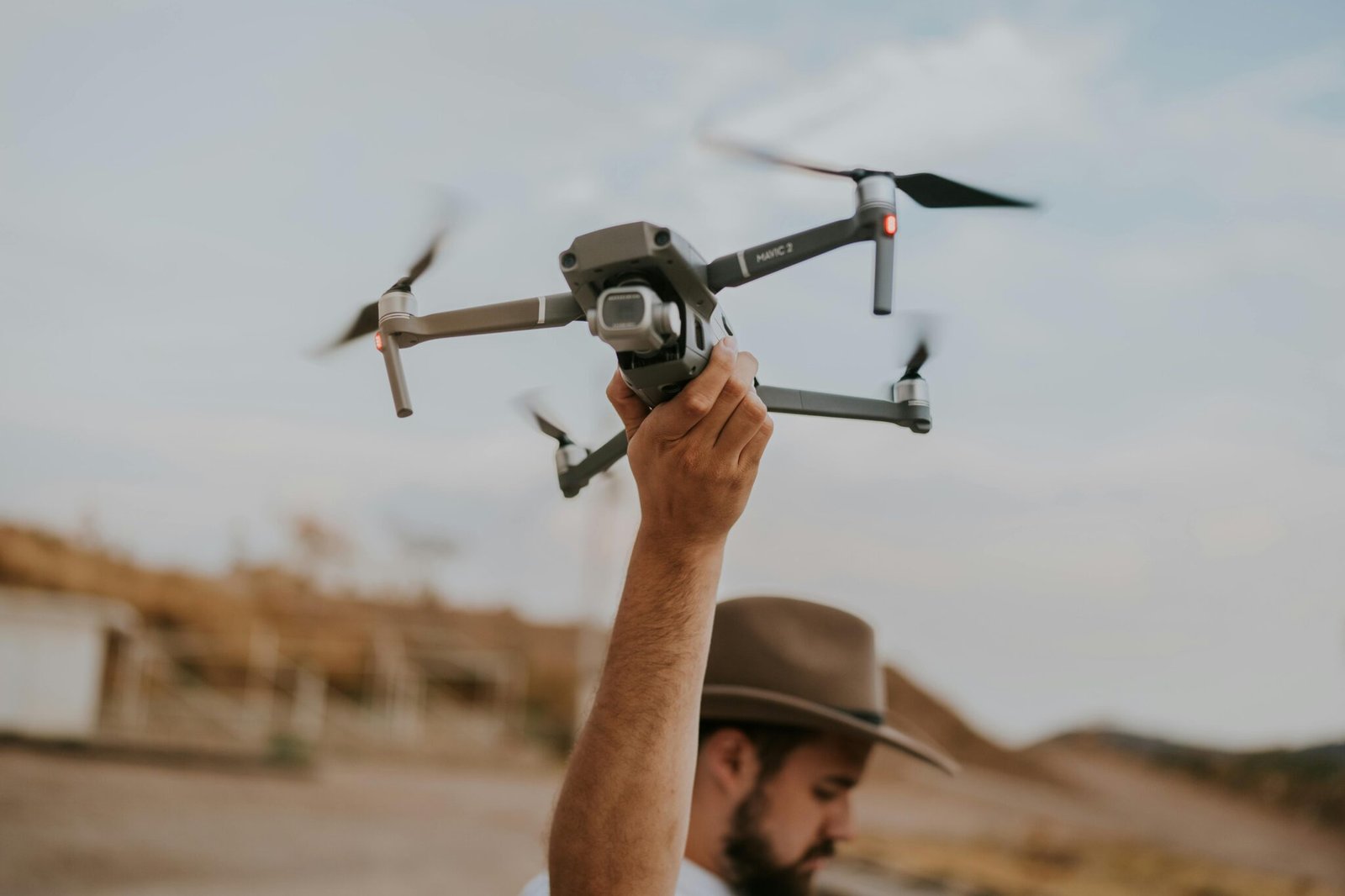




In the crowded FPV scene, DJI introduces a new twist: a consumer drone designed to capture the world in 360 degrees. The Avata 360 appears to blend immersive capture with familiar FPV handling, offering pilots a rotating camera module that can switch between 360-degree video and traditional forward flight. If regulators and creators embrace this form factor, it could redefine how people photograph and stream aerial scenes, from architectural tours to action sports.
Recent Trends
- Consumer 360-degree FPV drones gain traction
- FCC certification opens US market to new designs
- 8K/360 video tech expands production and media use
Technical hints from a recent FCC filing show a compact drone tipping the scales at about 377 grams. It centers on a dual 1/1.1-inch CMOS sensor system capable of 8K at 50fps in 360-degree mode, while also supporting conventional 4K/120fps FPV footage. The design emphasizes a modular camera that can reframe scenes on the fly, offering a seamless switch between immersive 360 capture and traditional FPV flight. The aircraft relies on a 38.67Wh battery, delivering roughly 25 minutes of flight under typical conditions, and uses OcuSync 4.0 transmission with a claimed range up to 20 kilometers.
According to TechNode, the filing reveals a rotating camera module that can toggle between 8K 360-degree capture and forward FPV flight. The implications extend beyond novelty: a 360-degree platform could redefine how consumers and professionals capture aerial footage, from real estate tours to motorsport events. With the US market in view, DJI may be positioning the Avata 360 to compete with other FPV platforms that have experimented with wider fields of view and stabilized 360 video.
Pricing and availability will be watched closely. The standard kit is expected to land in a price range of roughly $1,099 to $1,299, a mark that places the drone in the premium segment of consumer FPV gear. If the product arrives with robust performance and a dependable 20 km link, creators may embrace a new workflow: capture 360 footage on site, then export and stitch for VR experiences, social video, or interactive tours.
What this means for the FPV market
The Avata 360 signals a shift in how vendors approach FPV platforms. Rather than a narrow field of view aimed purely at speed, this model emphasizes versatility: immersive 360 capture by default, with optional traditional angles. For buyers, it could lower the barrier to 360 storytelling—no extra rig required—and encourage broader use in education, film, and real-time broadcasting.
A look at the specs
- Weight: ~377 g
- Camera: dual 1/1.1″ CMOS sensors
- Video: 8K/50fps 360-degree, 4K/120fps standard
- Battery: 38.67 Wh, ~25 min flight
- Transmission: OcuSync 4.0, up to 20 km
- Price (est.): USD 1,099–1,299
For drone buyers, the news matters because it broadens the creative toolkit for aerial storytelling. Regulators will assess the safety and spectrum implications of extended 360-capable flight, while tech developers will consider how 360 stitching and VR exports integrate with existing apps. TechNode reports that the filing indicates a rotating camera module, a design choice that could push engineering and calibration challenges but unlock new capture modes. This is more than a hardware upgrade; it could influence workflows, app features, and the way content creators plan shoots.
Pricing and availability
Expect the Avata 360 to reach shelves if the FCC process clears without objections. DJI has historically timed regulatory approvals with US launches to maximize visibility around the holiday season and creator demand. If the price remains near the mid-range estimate, publishers and creators may compare it with current 360-capable drones to assess value, image quality, and ease of use.
Reader note: this milestone may reshape what customers expect from an FPV drone. A 360-degree option built into a compact frame can reshape workflows and open new storytelling possibilities for both hobbyists and professionals alike.
Conclusion
The FCC clearance for the DJI Avata 360 signals more than regulatory approval. It marks a strategic push by DJI to mainstream 360-degree FPV capture, inviting rivals to respond with similar multi-angle capabilities and smarter flight modes. As 360 capture becomes a standard feature rather than a niche experiment, the drone market could see faster adoption of immersive aerial storytelling across real estate, entertainment, and immersive media projects.

















